
What Are Net 15 Payment Terms? Meaning, Examples & How It Works
Table of Contents
- What Are Net 15 Payment Terms?
- Why Businesses Use Net 15 Payment Terms
- How Does Net 15 Work?
- Send Invoices in Seconds
- Net 15 Payment Terms Examples
- Net 15 vs Net 30 vs Net 60
- Pros and Cons of Net 15 Payment Terms
- When Should You Use Net 15?
- Strengthen Your Cash Flow with Net 15 Payment Terms
- Send Invoices in Seconds
- FAQs about Net 15 Payment Terms
Payment terms net 15 mean a customer must pay the full invoice amount within 15 calendar days of the invoice date. This shorter payment window accelerates invoice payment and strengthens cash flow compared to Net 30 or Net 60.
For small business owners and service entrepreneurs, Net 15 acts as a cash flow control mechanism. Instead of waiting one or two months to receive revenue, you shorten your billing cycle to just over two weeks. That reduces accounts receivable exposure, improves inflow predictability, and lowers late-payment risk.
Net 15 is commonly used by freelancers, consultants, marketing agencies, contractors, and small service-based businesses that depend on steady monthly revenue.
This guide will cover:
- What Net 15 payment terms mean
- How Net 15 works step by step
- Net 15 payment terms examples
- 2/15 Net 30 and EOM variations
- Net 15 vs Net 30 vs Net 60 comparisons
- What happens if a Net 15 invoice is not paid
- When Net 15 makes strategic sense
What Are Net 15 Payment Terms?

Net 15 is an invoice term stating that full payment is due within 15 calendar days from the invoice date.
Example:
- Invoice date: March 5
- Due date: March 20
- Payment required: Full amount
The 15-day period typically includes weekends and holidays unless your agreement specifies “business days.”
Why Businesses Use Net 15 Payment Terms
Net terms were designed to provide short-term trade credit between businesses. While net 30 payment terms are common in standard B2B contracts and net 60 payment terms are used in wholesale and enterprise environments, Net 15 prioritizes speed.
According to the U.S. Chamber of Commerce, shorter net terms can help small businesses improve liquidity and reduce late-payment exposure in B2B transactions.
Businesses choose Net 15 when:
- Projects are short-term
- Cash flow stability is critical
- They want to discourage delayed payments
- Operating expenses require steady weekly inflow
Because the window is short, Net 15 reduces working capital strain and improves financial predictability. To ensure clarity, review professional invoice elements so your payment terms and due date are prominently displayed.
Structuring your invoices correctly ensures your documentation meets accounting standards and supports accurate financial reporting.
How Does Net 15 Work?
Net 15 functions as short-term trade credit with a strict repayment expectation.
Step 1: Invoice Issued
Once services are completed or goods are delivered, you send an invoice that clearly states “Net 15” in the payment terms section.
Your invoice should include:
- Invoice date
- Calculated due date
- Line items
- Total amount
- Payment instructions
To avoid delays, reviewing how to write an invoice ensures your document includes all required details, and following best practices for when to send invoices helps you start the 15-day payment window immediately after completing the work.
Step 2: 15-Day Clock Begins
The countdown starts on the invoice date and not only when the client opens it.
Example:
- Invoice issued: July 1
- Due date: July 16
Delays in sending the invoice shorten your effective collection window.
Always include a clearly calculated invoice due date to remove any uncertainty.
Step 3: Payment Expected

The client must submit full payment within 15 calendar days.
Compared to longer terms:
- Net 30 doubles your receivable window
- Net 60 quadruples it
Shorter payment cycles improve inflow and reduce receivable backlog. Monitoring invoicing payments helps you track outstanding balances and follow up quickly.
Step 4: Immediate Follow-Up
If unpaid after 15 days:
- Send a reminder on day 16.
- Confirm receipt.
- Reference your invoice terms and conditions.
- Apply agreed invoice late fees if outlined in your contract.
Avoid common invoicing mistakes such as unclear payment language that weakens enforceability.
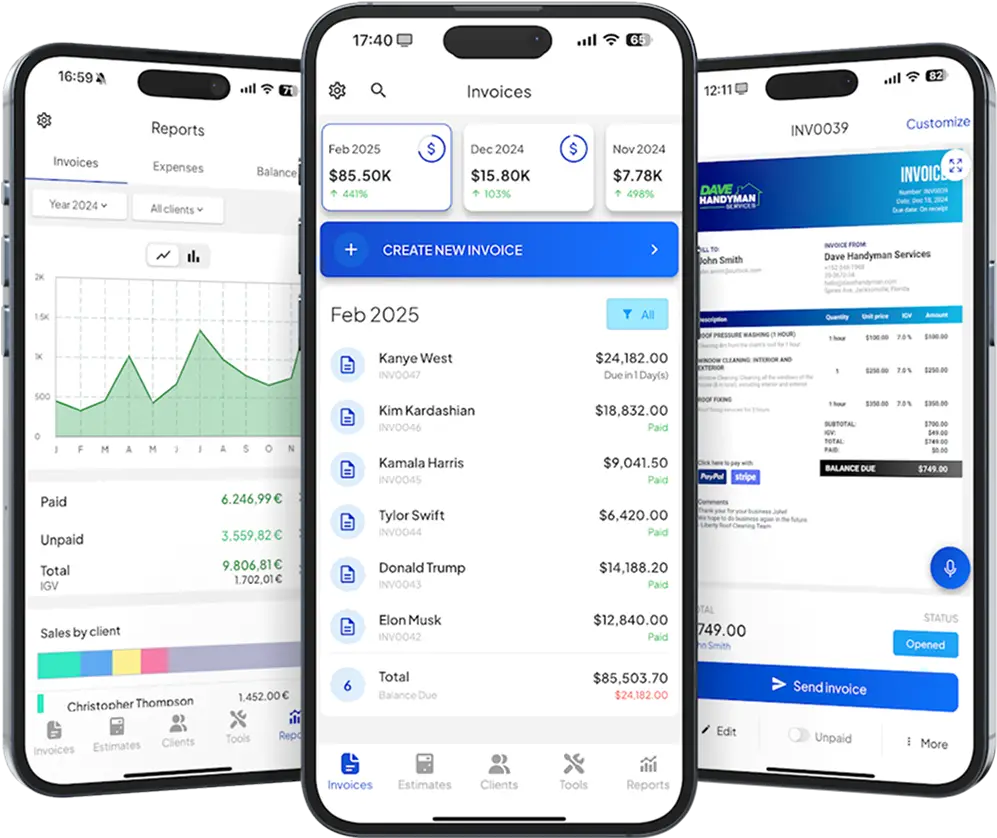
If you regularly use Net 15 terms, structured invoice templates help you standardize payment language, automate due date calculations, and maintain consistent formatting across clients.
Net 15 Payment Terms Examples

Standard Net 15
“Payment terms: Net 15. Full balance due 15 days from invoice date.”
Clear and direct for short projects.
2/15 Net 30
A 2% discount applies if payment is made within 15 days; otherwise, the full amount is due within 30 days.
Example:
Invoice: $6,000
- Paid within 15 days: $5,880
- Paid after 15 days: $6,000 due by day 30
This variation incentivizes early payment while maintaining flexibility.
End-of-Month (EOM) Net 15 Payment Terms
Invoices issued during a month are consolidated and due on the 15th of the following month.
Example:
- Invoice issued: September 8
- Due date: October 15
If you send recurring invoices, using a structured periodic invoice format keeps billing predictable.
Net 15 vs Net 30 vs Net 60
Choosing the right invoice term affects cash flow, risk, and competitiveness.
| Term | Payment Window | Cash Flow Speed | Risk Level | Typical Use |
| Net 15 | 15 days | Fast | Lower | Freelancers, consultants |
| Net 30 | 30 days | Moderate | Medium | Standard B2B |
| Net 60 | 60 days | Slow | Higher | Wholesale, enterprise |
For deeper comparison, review net 30 vs net 60 payment terms.
Net 15 positions your business as structured and disciplined without being inflexible.
Pros and Cons of Net 15 Payment Terms
Benefits
- Faster cash inflow
- Lower receivable exposure
- Predictable revenue timing
- Reduced collection risk
- Stronger payment expectations
Drawbacks
- May discourage enterprise clients
- Requires prompt invoicing discipline
- Less flexible in wholesale industries
- Immediate follow-up required
Net 15 Pros vs Cons Table
| Advantage | Business Impact | Potential Drawback | Business Risk |
| Faster billing cycle | Improves liquidity | Perceived rigidity | Client resistance |
| Reduced aging invoices | Lower default risk | Not industry standard everywhere | Lost opportunities |
| Stronger payment expectations | Improves discipline | Requires consistent monitoring | Administrative burden |
When Should You Use Net 15?

Net 15 works best when:
- Projects are short-term
- Clients are reliable
- Cash flow control is a priority
- You want to reduce late payments
It may not suit procurement-heavy environments where net 60 days payment terms are standard practice.
Understanding different types of invoices helps align billing format with contract structure.
Clear invoice documentation supports accurate bookkeeping and compliance. Reviewing what an invoice includes ensures your billing records meet reporting standards without gaps or missing details.
Strengthen Your Cash Flow with Net 15 Payment Terms
Payment terms net 15 shorten your revenue cycle and reduce accounts receivable exposure compared to longer trade credit terms. However, they require consistent invoicing, clear due dates, and disciplined follow-up.
If you want to apply Net 15 automatically, calculate due dates instantly, and track outstanding balances in one dashboard, professional invoicing software helps you maintain steady cash flow and reduce administrative workload.