
What Does a Carpenter Do? Job Description, Skills & Salary Guide

Table of Contents
A carpenter is a skilled tradesperson who builds, installs, and repairs structures made from wood and other materials. Carpenters work on residential homes, commercial buildings, bridges, and renovations. Their job includes reading blueprints, measuring materials, cutting wood, installing frameworks, and finishing detailed interior elements like trim and cabinets.
From rough framing to finishing carpentry, carpenters play a key role in construction projects. Below, we’ll explain:
- What a carpenter does on a daily basis
- How to become one
- What skills are required
- Salary expectations
- Different types of carpentry work available
What Does a Carpenter Do?
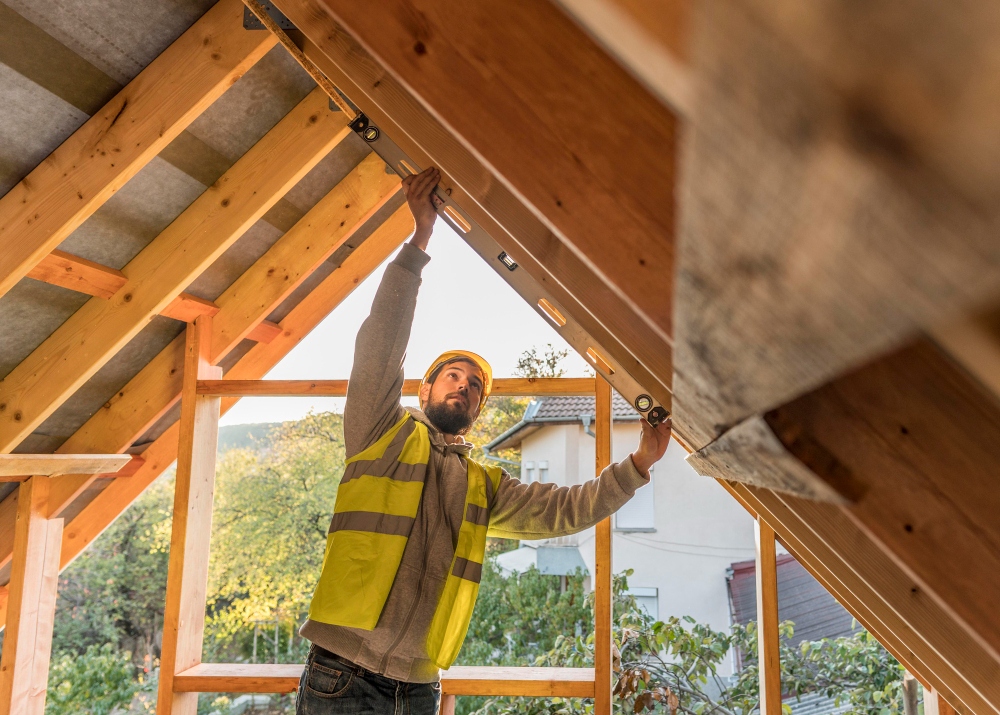
Carpenters are responsible for constructing and repairing structures using wood, metal, and other materials. Their work can range from building the frame of a house to installing detailed finishes inside a home.
On a daily basis, a carpenter may:
- Read and interpret blueprints or construction drawings
- Measure and cut materials to exact specifications
- Build frameworks such as walls, floors, and roofs
- Install doors, windows, cabinets, and flooring
- Repair damaged structures or replace old materials
For a detailed breakdown of responsibilities, this guide to a carpentry job description outlines the full scope of work.
For example, on a residential job site, a carpenter might spend the morning framing walls and the afternoon installing window frames or adjusting structural elements.
Carpenters rely on a wide range of equipment. Understanding essential carpentry tools is key to working efficiently and safely.
Their work environment varies. Some carpenters work outdoors on construction sites, while others specialize in indoor finishing work.
How to Become a Carpenter
Becoming a carpenter typically involves a combination of education, hands-on training, and real-world experience.
Training
Most carpenters begin with a high school diploma or equivalent. Subjects like math, woodworking, and construction basics provide a strong starting point.
Trade schools offer structured programs covering:
- Blueprint reading
- Safety procedures
- Tool handling
- Construction techniques
Apprenticeship
An apprenticeship is one of the most common ways to enter the trade.
These programs usually last 3–4 years and combine:
- Paid on-the-job training
- Classroom learning
Apprentices learn directly from experienced carpenters while gradually taking on more responsibility.
Work Experience
Many carpenters start as laborers or assistants and develop skills over time.
This helps build:
- Speed and efficiency
- Confidence on job sites
- Practical problem-solving ability
If you’re considering turning carpentry into a business, learning how to start a carpentry business helps you understand how to move from tradesperson to business owner.
Skills

Carpentry requires both technical knowledge and hands-on ability. The job combines physical work with precision, which means small mistakes can lead to costly issues or structural problems.
Key skills include:
- Measurement and math skills: Carpenters must measure accurately and calculate dimensions, angles, and material quantities to ensure everything fits correctly
- Attention to detail: Even minor misalignments can affect the final result, especially in finishing work like trim or cabinetry
- Physical strength and stamina: The job often involves lifting heavy materials, standing for long periods, and working in different weather conditions
- Problem-solving ability: Construction projects rarely go exactly as planned. Carpenters need to adjust quickly when materials, measurements, or site conditions change
- Tool proficiency: Carpenters must safely use both hand tools and power tools, often switching between them throughout the day
In addition to these, strong communication skills are important when working with contractors, clients, or team members. Time management also plays a key role, especially when working on multiple projects or tight deadlines.
Qualifications
Formal qualifications vary, but many carpenters pursue certifications or licenses to improve opportunities.
Common qualifications include:
- Apprenticeship completion
- Trade certifications
- Local contractor licensing
If you plan to work independently, understanding how to get your carpentry license is essential.
You’ll also need proper coverage. We’ve broken down what’s required to protect your work in how to get carpenter insurance.
How Much Does a Carpenter Earn?
Carpenter earnings vary depending on experience, specialization, and location.
Typical ranges:
- Entry-level: $35,000–$45,000
- Mid-level: $45,000–$65,000
- Experienced: $70,000+
According to the BLS, carpentry remains a stable and in-demand trade.
Hourly rates typically range from:
- $20–$40/hour
For a deeper breakdown of pay and growth potential, see: how much do carpenters make.
Career Path and Progression

Carpentry offers several career paths depending on your goals.
Typical progression:
- Apprentice
- Journeyman carpenter
- Master carpenter or supervisor
Some carpenters move into:
- Project management
- Construction management
- Running their own business
For example, experienced professionals often expand into offering specialized carpentry services or managing full projects.
9 Types of Carpentry Work
Carpentry includes a wide range of specialties.
1. Rough Carpentry
Focuses on structural work like framing walls and roofs.
2. Joister
Builds floor joists that support structural loads.
3. Trim Carpentry
Handles interior finishing like molding and trim.
4. Cabinet Carpentry
Builds and installs cabinets and storage units.
5. Ship Carpentry
Works on boats and marine structures.
6. Framer
Constructs building frameworks.
7. Roofing Carpentry
Builds and repairs roof structures.
8. Bridge Carpentry
Works on large infrastructure projects.
9. Finishing Carpentry
Focuses on detailed interior work like doors, flooring, and custom woodwork.
How Carpenters Turn Work Into Paid Jobs
Completing the work is only part of being a carpenter, especially if you’re running your own business.
Clear pricing and professional estimates help you win jobs and avoid confusion. Learning how to quote carpentry jobs ensures your pricing is accurate and competitive.
Using a free estimate generator allows you to quickly create detailed estimates that clients can review and approve without delays.
Managing multiple projects also requires organization. Using software for carpenters helps track jobs, invoices, and payments so nothing gets missed.
Is Carpentry a Good Career Choice?

Carpentry can be a strong career choice for those who enjoy hands-on work and building tangible results.
Benefits:
- High demand for skilled trades
- Opportunities for self-employment
- Clear progression path
Challenges:
- Physically demanding work
- Outdoor conditions
- Skill development takes time
Many carpenters build long-term careers or transition into running their own businesses. If you’re planning that move, revisiting how to start a carpentry business can help you scale effectively.
Build a Reliable Workflow as You Grow
As you take on more jobs, keeping your workflow organized becomes just as important as the work itself.Tracking invoices, payments, and project details in one place makes it easier to stay on top of your business and avoid delays. Using an invoice maker helps you send professional invoices, keep records organized, and get paid faster after completing a job.