Goods Received Note (GRN): Definition, Importance & Process
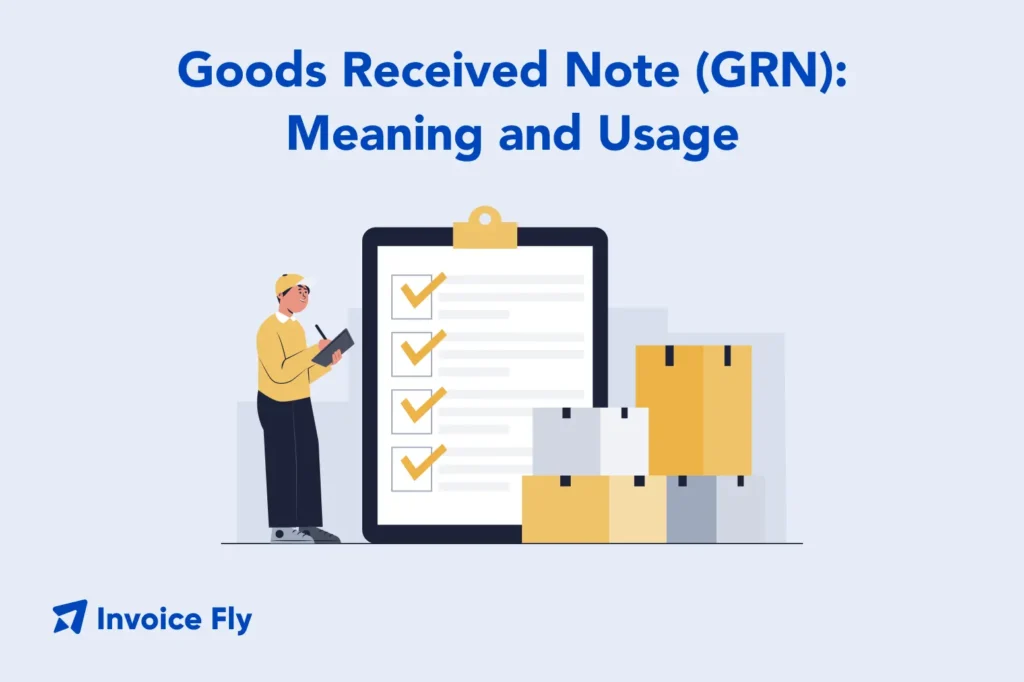
Table of Contents
- What is a Goods Received Note?
- Key Differences from Delivery Notes and Purchase Orders
- What Information Does the Goods Received Note Contain?
- Who Needs to Use a GRN?
- Who Creates the Goods Received Note?
- Goods Received Note in the Accounts Payable Process
- Why You Need a Goods Received Note
- Managing Your Business Documentation
- Final Thoughts
- Goods Received Note FAQs
A Goods Received Note (GRN) is a simple but powerful document used to confirm that goods from a supplier have arrived—and that the quantity, quality, and condition match the original purchase order. More than just a paperwork step, GRNs play a key role in keeping inventory accurate, approving supplier invoices, and spotting issues before payments go out.
In this guide, we’ll break down what a GRN is, what details it includes, who uses it, and why it’s such an important part of smooth procurement and financial operations.
What is a Goods Received Note?
Ever received a delivery only to discover half the items are missing or damaged? Without proper documentation, proving what arrived becomes your word against theirs. That’s where a goods received note (GRN) saves the day.
A GRN is an internal document confirming delivery of goods from a supplier. It serves as proof that items were actually received and inspected, showing what arrived, when it arrived, and its condition—crucial for inventory updates, payment authorization, and dispute resolution.
Key Differences from Delivery Notes and Purchase Orders
Understanding how these documents differ helps avoid mix-ups during receiving, inventory updates, and payment processing.
| Document | Who Creates It | When It’s Used | What It Confirms |
| Purchase Order (PO) | Buyer | Before goods are ordered | What the buyer intends to purchase, including items, quantities, and agreed prices |
| Delivery Note | Supplier | When goods are shipped | What the supplier claims was sent with the delivery |
| Goods Received Note (GRN) | Buyer | After goods are delivered and inspected | What actually arrived and was accepted, including quantity and condition |
The GRN acts as the final checkpoint—bridging the gap between what was ordered and what was truly received and verified.
Tip! Learn more about creating accurate sales orders for your procurement process.
How It Fits into the Accounts Payable Workflow
The GRN plays a critical role in accounts payable processing. Before making payment, your accounts payable team matches three documents: purchase order, goods received note, and supplier invoice. This three-way match prevents overpayment and fraud while protecting your cash flow.

What Information Does the Goods Received Note Contain?
A comprehensive GRN template includes specific details ensuring accurate record keeping. Whether using a Word document, PDF format, sample form, or digital system, these elements are essential.
Supplier Details
Record the supplier’s name, address, contact information, and any supplier reference numbers. This detail helps track supplier performance and resolve disputes.
Delivery Information
Document the delivery date, time, and location. Note the delivery method (carrier name, truck number) and who received the shipment. This information is essential for tracking all inward goods in your receiving logbook.
Purchase Order Details
Include the purchase order number linking the GRN to the original order. This connection enables proper matching and supports bookkeeping practices.
Itemized List of Goods
Create a detailed list with the following information:
- Product descriptions and SKU numbers
- Quantities ordered versus quantities received
- Unit measurements (boxes, pallets, pieces)
- Batch or serial numbers for tracking
- Material condition upon receipt
This itemized detail ensures accurate inventory updates in your warehouse management system. It also affects your COGS calculations and helps maintain precise stock records.
Discrepancies and Damaged Items
Document any differences between the purchase order and actual delivery. Note damaged goods, missing items, or incorrect products. Include photos if available. This information supports goods return processes and supplier claims. A goods issue note may be created for returns.
Signatures and Stamps
Require signatures from receiving personnel who inspected the goods. Some businesses use stamps to validate the document. Digital systems may use e-signatures for authentication.

Who Needs to Use a GRN?
Multiple departments rely on the goods receipt for their operations.
Receiving Department
Warehouse and receiving staff create the initial GRN when accepting deliveries. They inspect the consignment, verify quantities, check quality, and document everything on the receipt. Store personnel in retail environments fill similar roles, checking incoming goods against delivery documentation before updating their goods received book or logbook.
Procurement and Purchasing Teams
Procurement officers use GRN verification to confirm orders arrived as specified. They analyze GRN data to track supplier reliability, delivery times, and order accuracy. This information improves future procurement decisions and helps calculate overhead costs.
For businesses involved in reselling, proper documentation is essential for resale certificates and sales tax exemption tracking.
Accounts Payable and Finance Teams
Finance teams rely on GRNs for the three-way match before authorizing payment. They serve as the critical link between receiving goods and authorizing payment. Without proper goods receipt documentation, invoices shouldn’t be processed. Using accounts payable automation software can streamline this matching process.
GRN tracking also affects your income statement and balance sheet by accurately recording inventory values and cost of goods sold. The payment voucher is prepared only after the GRN confirms receipt.

Who Creates the Goods Received Note?
Creating a goods receipt note follows a systematic process to ensure accuracy.
Step-by-Step GRN Creation
- Receive delivery: Accept the shipment at your warehouse or store location
- Match delivery note: Compare the supplier’s delivery note with your purchase order
- Inspect goods: Physically verify quantities, check quality, and identify damage
- Record information: Complete the GRN template with all required details
- Document discrepancies: Note any differences between ordered and received items
- Obtain signatures: Get receiving personnel to sign and date the document
- Distribute copies: Send copies to relevant departments (procurement, accounts payable, inventory)
- File records: Maintain the original for audit purposes
Verification Process
Proper GRN verification involves multiple checks: confirm quantity matches the purchase order, verify product specifications are correct, check packaging is intact, look for visible damage, confirm delivery timing meets expectations, and ensure all documentation is complete.
This verification ensures you only accept what was properly ordered and delivered in acceptable condition.
Digital vs Paper-Based GRN
Traditional paper systems use printed forms, manual signatures, and physical filing. Modern businesses implement digital goods receipt solutions through warehouse management software like Autocount accounting software, procurement platforms, and mobile apps for on-site processing.
Digital systems offer instant distribution, automatic inventory updates, better reporting, and reduced errors. Some businesses maintain hybrid approaches using both formats.
Goods Received Note in the Accounts Payable Process
The GRN serves a critical role in financial controls and payment authorization.
Three-Way Match: GRN, Purchase Order, and Invoice
Before approving invoices for payment, accounts payable performs a three-way match:
- Purchase Order: What you ordered
- Goods Received Note: What you received
- Supplier Invoice: What the supplier is charging
All three documents must align before processing payment. Discrepancies require investigation and resolution. The three-way match is essential for preventing duplicate payments, catching pricing errors, and ensuring you only pay for goods actually received in the correct quantities.
Authorizing Payments
Once the three-way match confirms everything aligns, accounts payable approves payment. The GRN provides evidence that goods were received, justifying payment to the supplier. Without proper receipt documentation, payment approval violates financial controls and creates fraud risk. Many businesses use payment reminders to ensure timely processing.
Record Keeping and Auditing
GRNs serve as permanent records for audit trails. They document what inventory was received and when, which suppliers delivered which goods and in what condition, and who authorized receipt.
These records support financial audits, tax compliance, and dispute resolution. Understanding proper journal entry accounting ensures GRN information flows correctly into your financial statements and annual reports.

Why You Need a Goods Received Note
Implementing a systematic GRN process provides multiple business benefits:
Inventory Accuracy: GRNs ensure your inventory records match physical goods using methods like FIFO. This accuracy prevents stockouts and reduces excess inventory.
Payment Control: The three-way match prevents paying for undelivered or incorrect goods, protecting cash flow and reducing fraud risk.
Supplier Performance: Tracking GRN data reveals which suppliers consistently deliver correctly and which create problems for evaluation purposes.
Dispute Resolution: According to GEP’s procurement strategy guide, maintaining thorough GRN records protects businesses legally and financially when delivery disputes arise.
Financial Reporting: Accurate GRNs ensure proper COGS calculation and inventory valuation, affecting profitability reporting, margin calculations, and tax obligations including economic nexus considerations.
Audit Compliance: Complete GRN records satisfy internal controls and external audit requirements, demonstrating proper procurement procedures.
Process Efficiency: Systematic receiving documentation speeds up the inward goods process and improves supply chain efficiency.
For service-based businesses, similar documentation principles apply to receipt of services verification.
Managing Your Business Documentation
Running an efficient procurement process requires organized documentation and clear financial records. Understanding what is an invoice and how it relates to your GRN system is essential for smooth operations.
Our Invoice Maker can help streamline your financial workflow by creating consistent, professional documentation that matches your receiving records. This level of organization supports better business structure and cash flow management.
Final Thoughts
The goods received note is fundamental to procurement and inventory management. Whether you use paper forms or automated digital systems, maintaining accurate GRN records protects your business financially and operationally.
Implementing proper GRN procedures ensures you only pay for goods actually received in acceptable condition. The three-way match process creates essential financial controls preventing overpayment and fraud.