
Invoice Due Date: How to Choose, Calculate, and Ensure Timely Payments
Table of Contents
- What is an invoice due date?
- Which standard due date fits your business?
- How to choose the right due date for your invoices
- The Importance of the Due Date on an Invoice
- Best Practices for Invoice Due Date
- How to ensure your due dates stand out on invoices and contracts
- What to do when invoices are due and payments are late
- When to adjust due dates
- Conclusion
- FAQs
An invoice due date is simply the day you expect to get paid for the work you’ve done or the products you’ve delivered. It’s based on the invoice date and the payment terms you set—like “Net 30” or “Due on Receipt”—and it helps keep your cash flow predictable, sets clear expectations for clients, and defines when late fees apply.
In this guide, we’ll walk through how to choose the right due date for your invoices, calculate it correctly, and put systems in place to help clients pay on time.
What is an invoice due date?
An invoice due date is the deadline by which payment must be received for goods or services rendered. It appears on every professional invoice and tells your client exactly when their payment is expected.
The due date isn’t arbitrary—it’s calculated based on two key pieces of information:
Invoice date: The day you issue the invoice
Payment terms: The agreed-upon conditions that determine when payment is due
For example, if you issue an invoice on January 15 with “Net 30” payment terms, your due date would be February 14. The invoice payment terms define how many days your client has to pay, and the invoice date is the starting point for that countdown.
According to the IRS, maintaining clear invoice due dates is an important part of business recordkeeping and helps establish professional payment expectations with clients. The Small Business Administration also recommends clear billing practices to maintain healthy cash flow and avoid common invoicing mistakes.

Which standard due date fits your business?
Different payment terms work better for different businesses and situations. Here are the most common options you’ll see on vendor invoices and bills:
| Payment Term | When Payment is Due | Best For |
| Due on Receipt / Due Now | Immediately upon receiving invoice | Small jobs, one-time services, new clients |
| Net 15 | 15 days after invoice date | Quick turnaround projects, smaller invoices |
| Net 30 | 30 days after invoice date | Standard business practice, most common |
| Net 60 | 60 days after invoice date | Larger projects, established clients, corporate buyers |
| Net 90 | 90 days after invoice date | Major contracts, government work, long-term projects |
| End of Month (EOM) | End of the month invoice was issued | Aligning with monthly billing cycles |
Net 30 is the normal payment term for most businesses. It strikes a balance between giving clients reasonable time to process payment and ensuring you don’t wait too long for your money. Many invoicing platforms use Net 30 as the default setting.
How to choose the right due date for your invoices
Selecting the appropriate payment terms requires considering your business needs, client relationships, and industry standards. Here’s how to make the right choice:
1. Know Industry Standards
Different industries have different payment expectations. Understanding what’s normal in your field helps you set competitive terms that clients will accept without pushback.
Construction and contracting typically use Net 30 to Net 60 terms due to project timelines and progress billing. Freelancers and contractors often request Net 15 or Due on Receipt for smaller projects. Wholesale and manufacturing commonly operate on Net 60 or Net 90 terms due to inventory cycles.
Research what your competitors offer. If everyone in your industry uses Net 30 and you demand payment on receipt, you might lose clients to more flexible competitors.
2. Assess Your Clients’ Payment History
Track how quickly your clients actually pay. If a client consistently pays within 20 days on Net 30 terms, they’re reliable. If they regularly pay on day 45, you might need to adjust your approach.
For clients with a history of late payments, consider shortening your payment terms or requiring partial payment upfront. For consistently punctual payers, you might offer slightly longer terms as a relationship builder.
Use accounts receivable software to monitor payment patterns automatically. This data helps you make informed decisions about adjusting terms for specific clients and avoiding common invoicing mistakes.
3. Select a Payment Term
Match your payment terms to your cash flow needs. If you have tight margins and need quick payment to cover expenses, shorter terms make sense. If you can afford to wait and want to offer competitive terms, longer periods may work.
Consider offering a small discount for early payment. “2/10 Net 30” means the client gets a 2% discount if they pay within 10 days, otherwise the full amount is due in 30 days. This can significantly improve your cash flow.
For larger projects, you might use installment payments—breaking the total into multiple bills with separate due dates rather than one large invoice at completion. Including a PO number on these invoices helps both parties track complex payment schedules.
4. Align With Your Billing Cycle
Your payment terms should complement your internal billing and accounting processes. If you do small business bookkeeping monthly, Net 30 terms that align with month-end close make tracking easier.
Some businesses invoice on the 1st and 15th of each month with consistent due dates. This creates predictable cash flow and simplifies accounts receivable management. Recording these transactions properly in your ledger and through accurate journal entries ensures clean financial records.
The Importance of the Due Date on an Invoice
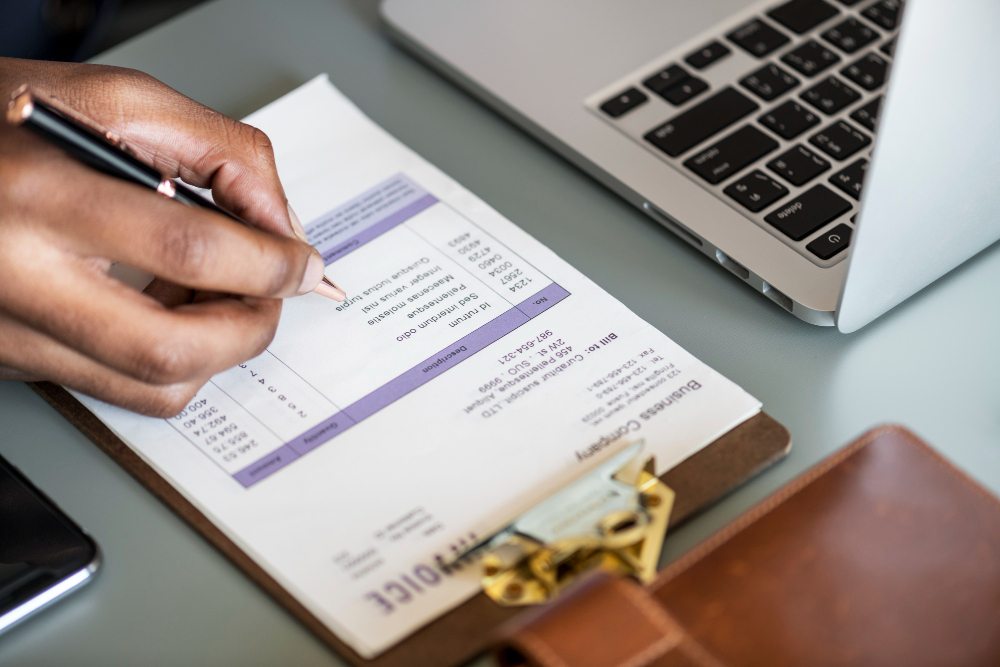
The due date isn’t just a formality—it serves multiple critical business functions.
1. Timely Payments
A clear due date creates accountability. Without one, clients can justify delays by claiming they didn’t know when payment was expected. The due date removes ambiguity and gives you firm ground to stand on when following up on unpaid invoices.
When clients know exactly when payment is due, they can plan accordingly. This reduces “I forgot” excuses and helps conscientious clients prioritize your invoice appropriately.
2. Maintaining Cash Flows
Predictable payment schedules allow you to forecast cash flow accurately. When you know payments are due on specific dates, you can plan expenses, payroll, and investments with confidence using cash flow projection tools.
Poor cash flow is one of the leading causes of small business failure. Clear due dates help you avoid the feast-or-famine cycle where you’re flush with cash one month and scrambling the next.
Understanding how to calculate cash flow and project future income becomes much easier when your invoice due dates follow consistent patterns.
3. Ensuring Smooth Operations
When payments arrive on schedule, you can maintain steady operations. You’ll have the funds to purchase inventory, pay contractors, cover rent, and invest in growth without resorting to expensive short-term financing.
Late payments create cascading problems. You might delay paying your own suppliers, damage those relationships, and potentially face late fees yourself. Clear due dates help prevent this domino effect and avoid common cash flow problems.
Best Practices for Invoice Due Date
Following these guidelines ensures your due dates are effective and professional.
1. Write a Full Date
Always use the complete date format: Month Day, Year (e.g., “February 15, 2026” or “15/02/2026”). Avoid vague terms like “due in 30 days” without specifying the actual calendar date.
Clarity prevents disputes. When you write “Due: March 10, 2026,” there’s no room for interpretation. The client knows exactly what day payment must be received. Use clear wording in your invoice template to eliminate confusion.
2. Consider Online Invoices
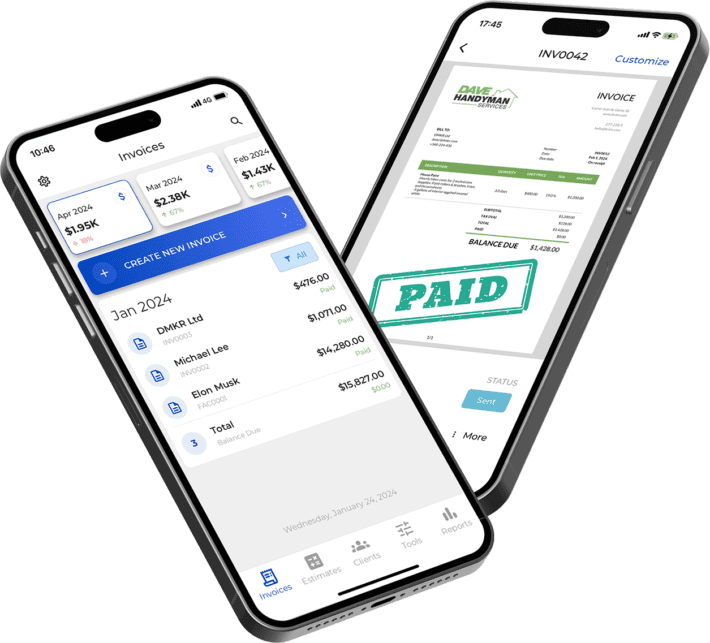
Digital invoicing systems automatically calculate invoice due dates based on your payment terms, reducing human error. Many platforms include an invoice due date calculator feature that does the math for you. They also send automated invoicing reminders as the due date approaches.
A due date calculator invoice tool can save time when you’re managing multiple clients with different payment terms. Simply enter the invoice date and select your payment terms, and the system will calculate the exact due date.
Online invoices can include convenient e-payment links, making it easier for clients to pay immediately—which often results in faster payment than mailed paper invoice forms. Using a client portal keeps all billing information organized and accessible to your customers anytime, from anywhere.
3. Verify With Payment Terms
Double-check that your stated due date matches your payment terms. If you write “Net 30” but calculate invoice due date as 45 days from the invoice date, you create confusion and potential payment disputes.
This verification is especially important when you’re juggling multiple clients with different terms. A simple calculation error can cost you weeks of delayed payment and create outstanding balances.
How to ensure your due dates stand out on invoices and contracts
Making your due date visually prominent on your invoice form increases the likelihood clients will notice and remember it. Here’s how:
- Use a bold or larger font for the due date so it catches the eye immediately when someone scans the invoice—whether it’s mailed or sent electronically.
- Place it prominently near the top of the invoice, not buried in fine print at the bottom. Many businesses position it right below the invoice number and date for immediate visibility.
- Create a dedicated “Payment Terms” section that clearly outlines the due date, accepted payment methods (including PayPal or other e-payment options), and any early payment discounts or late fees.
- Use color strategically (if your branding allows) to make the due date stand out without looking unprofessional. A subtle highlight or border can draw attention effectively.
- Include it in multiple locations if the invoice is lengthy—once near the top and again near the payment instructions at the bottom.
What to do when invoices are due and payments are late
Even with clear due dates, late payments happen. Here’s how to handle them professionally:
- Send a friendly reminder a few days before the due date. This proactive approach often catches clients who simply overlooked the payment. Use free payment reminder templates to maintain consistency across all communications.
- Follow up immediately on the due date if payment hasn’t been received. A polite email asking if they received the invoice and confirming the due date is appropriate.
- Use a payment reminder template for consistency. Your message should be professional but firm, restating the invoice amount, invoice number, and due date.
- Escalate gradually if initial reminders don’t work. Your second follow-up (usually 7-10 days after the due date) can be more direct while remaining professional.
- Consider late fees if your invoice terms include them. Charging invoice late fees incentivizes timely payment, but only if you enforce them consistently and state them clearly in your original terms.
- Pause work for chronically late payers until their account is current. This protects you from accumulating large unpaid balances.
Tip: If you’re dealing with persistent issues, reviewing strategies for how to handle late client payments can help you develop a systematic approach to managing overdue accounts.
When to adjust due dates
Your payment terms shouldn’t be set in stone. Adjust them when circumstances change:
For new clients: Start with shorter terms (Net 15 or Net 30) until you establish their payment reliability. Once they’ve proven trustworthy over several invoices, you can offer longer terms if appropriate.
For large projects: Break payments into milestones rather than one large payment at completion. This might look like 50% upfront, 25% at midpoint, and 25% upon completion—each with its own invoice and due date. Issue a receipt of payment for each installment to maintain clear records. You can streamline this process using a free receipt generator.
During economic uncertainty: When interest rates rise or economic conditions tighten, consider shortening your terms to protect your cash flow and avoid cash flow problems.
For struggling clients: If a valued client is experiencing temporary financial difficulty, you might extend terms or create a payment plan. Document this arrangement clearly to avoid confusion and maintain accurate records in your ledger.
Seasonal businesses: If your clients have predictable busy and slow seasons, align your payment terms with their cash flow cycles. This builds goodwill and actually improves payment reliability.

Conclusion
Your invoice due date is more than just a number on a document—it’s a critical tool for managing cash flow, setting professional expectations, and ensuring your business gets paid on time. By choosing appropriate payment terms, calculating due dates accurately, and following best practices for visibility and enforcement, you can significantly reduce late payments and improve your financial stability.
Remember to align your payment terms with industry standards, assess each client’s payment history, and use clear, prominent due dates on every invoice. When payments do run late, having a systematic approach to reminders and follow-up keeps your accounts receivable healthy without damaging client relationships.
Whether you’re a freelancer, small business owner, or finance manager, mastering invoice due dates is an essential skill for long-term success. Start by creating clear invoices with proper payment terms using a free invoice generator, and your clients will know exactly what to expect.