
HVAC Contractor: What They Do, Services & How to Become One

Table of Contents
An HVAC contractor is a licensed professional who installs, maintains, and repairs HVAC systems, including heating, ventilation, and air conditioning in residential and commercial buildings. They work with systems like furnaces, heat pumps, ductwork, and air conditioners to ensure everything runs efficiently and meets safety standards.
If you’re looking to hire an HVAC contractor or considering starting your own HVAC business, understanding what these professionals do and the services they provide is the right place to start. In this guide, we’ll explore the responsibilities, services, and skills involved in the HVAC industry.
What Is an HVAC Contractor?
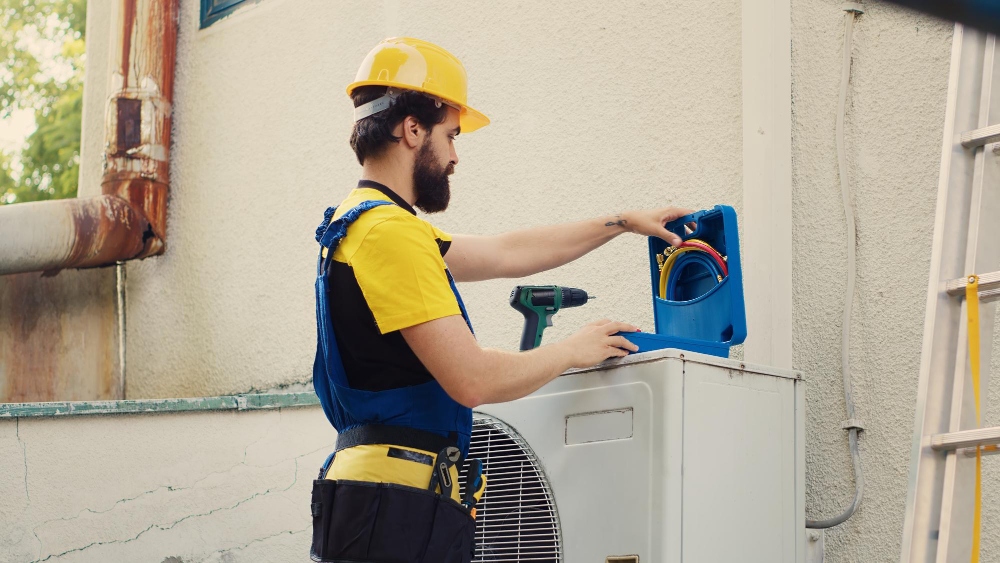
An HVAC contractor is a licensed business operator who specializes in heating, ventilation, and air conditioning systems for residential and commercial properties. They manage HVAC projects from initial assessment through installation, offer ongoing maintenance contracts, and respond to system failures in homes, warehouses, offices, and commercial facilities.
Unlike a general HVAC technician who works as an employee performing hands-on repairs, an HVAC contractor is the licensed entity responsible for the overall scope of work. This includes obtaining permits, managing technicians, ensuring work meets local mechanical codes, and holding the business licenses required to legally operate in their jurisdiction.
Because HVAC work involves high-voltage electrical systems and refrigerants, contractors must hold specific certifications. In the U.S., handling refrigerants legally requires EPA Section 608 certification. Most states also require a contractor-level license covering mechanical systems, electrical connections, and gas lines.
According to the Bureau of Labor Statistics, employment for HVAC mechanics and installers is projected to grow 9% over the next decade — significantly faster than the average for all occupations — driven by demand for energy-efficient systems and increasingly complex climate control technology.
Building a business in this field? Our complete guide on how to start an HVAC business walks you through licensing, insurance, equipment, and landing your first clients.

What Does an HVAC Contractor Do?
HVAC contractors handle four core service areas. Understanding each one helps you structure your offerings, price correctly, and advise clients on exactly what they need.
| Service | What It Includes |
| Maintenance | Routine inspections, cleaning, and system checks |
| Repair | Diagnosing and fixing system failures |
| Installation | Setting up new heating and cooling systems |
| Consultation | Advising on upgrades, efficiency, and system choices |
Maintenance
Preventive HVAC maintenance involves scheduled inspections and servicing to keep systems running efficiently and prevent costly breakdowns. A standard maintenance visit typically includes cleaning or replacing air filters, checking refrigerant levels, testing electrical connections, inspecting system controls, and cleaning evaporator and condenser coils.
Maintenance contracts are one of the most reliable revenue streams for an HVAC contractor. Clients on recurring service agreements generate predictable monthly income and are significantly more likely to call you first when they need repairs or replacement. Invoice Fly’s HVAC software lets you automate service reminders so clients stay on schedule without any manual follow-up.
Repair
HVAC repair covers diagnosing and fixing system failures — from a malfunctioning thermostat or refrigerant leak to a failed compressor or cracked heat exchanger. Repair work is often time-sensitive, especially during extreme weather when systems fail under peak demand.
Strong diagnostic skills are what separate good HVAC technicians from great ones. For a detailed breakdown of the technical skills and tools the job requires, see our guide on HVAC technician job descriptions.
Installation
HVAC installation involves designing and setting up complete heating and cooling systems for new construction or replacing aging equipment. Projects may include central air systems, ductless mini-splits, furnaces, boilers, heat pumps, ventilation systems, and smart thermostat integration.
Installation is typically the highest-revenue service category for HVAC contractors. New home construction in Florida and other high-growth markets drives consistent installation demand, and commercial work — warehouses, office buildings, multi-unit residential — can generate significant contracts. A thorough HVAC inspection before installation ensures you’re sizing the system correctly for the space and avoiding costly overruns later.
Consultation
HVAC consultations involve assessing a client’s existing system, identifying inefficiencies, and recommending upgrades or replacements. This might mean evaluating whether a unit can be repaired cost-effectively or needs full replacement, advising on energy-efficient options, or helping a homeowner understand what system fits their home size and local climate.
Professional consultations build trust and often convert directly into installation or service contracts. They’re also a natural entry point for clients who aren’t yet sure whether they need repair or full replacement.
Types of HVAC Services
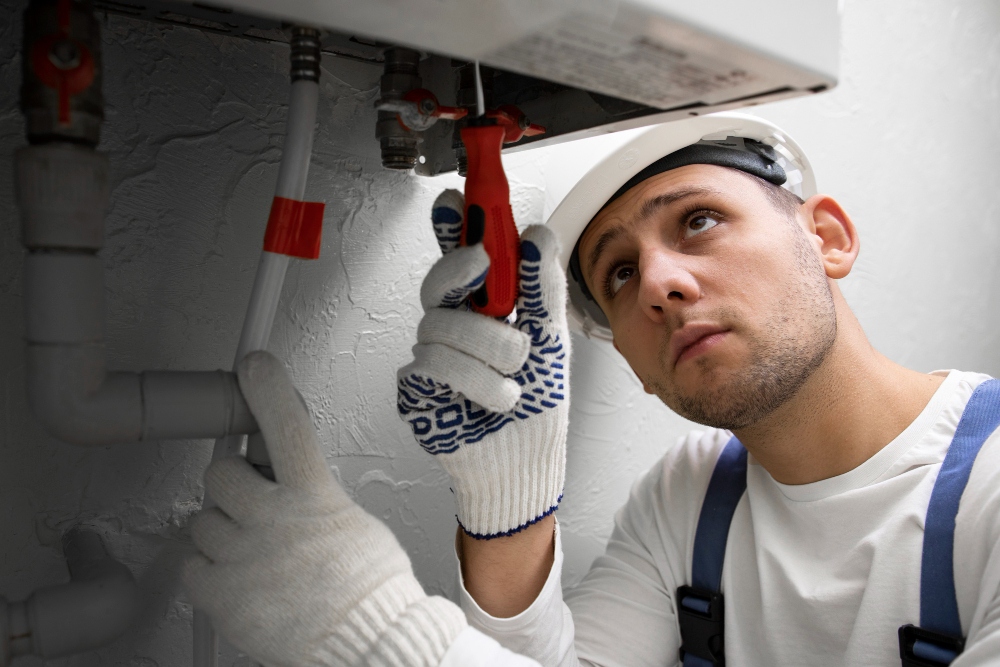
HVAC contractors provide a wide range of services across residential and commercial markets. For a full breakdown of what to offer clients at every stage, see our comprehensive guide on HVAC services.
Heating services include furnace installation and repair, boiler servicing, heat pump installation, radiant floor heating, and ductwork for forced-air systems.
Cooling services cover central air conditioning installation and repair, ductless mini-split systems, evaporative coolers, and commercial refrigeration units.
Ventilation services include ductwork design and installation, air balancing, exhaust fan installation, air purifiers, and humidity control systems.
Energy efficiency and smart systems — installing programmable and smart thermostats, performing energy audits, upgrading to high-efficiency units, and integrating with home automation — are a fast-growing segment driven by demand for lower utility costs and environmental accountability.
Commercial HVAC covers larger-scale mechanical systems for offices, retail centers, restaurants, and industrial facilities. Commercial contracts tend to be higher value and require more documentation and system complexity than residential work.
Industry trends: The HVAC industry is shifting toward heat pumps as a dual-function heating and cooling solution, next-generation refrigerants with lower environmental impact, and smart systems that can be monitored and adjusted remotely. Contractors who build expertise in these areas now will be well-positioned as demand accelerates.
Skills for HVAC Contractors
Technical skills: HVAC contractors need to be proficient in reading mechanical blueprints and schematics, understanding refrigeration cycles, working safely with electrical systems and gas lines, and using diagnostic tools like refrigerant gauges, multimeters, and thermal cameras. See our guide on the HVAC technician role for a full breakdown of tools and technical requirements.
Business skills: Running an HVAC contracting business requires accurate estimating, professional invoicing, contract management, scheduling, and client communication. Invoice Fly’s free estimate generator lets you build detailed, itemized quotes on-site and convert them to invoices instantly. Clear HVAC contracts protect both you and your clients on every job — especially for larger installations.
Soft skills: Diagnostic thinking, physical stamina, attention to detail, and the ability to explain technical issues clearly to homeowners and facilities managers are equally important. Most HVAC work happens in someone’s home or an active business — professionalism and clear communication directly affect your reviews, referrals, and repeat business.

Salary and Job Outlook for HVAC Contractors
HVAC is one of the strongest career paths in the skilled trades. According to the Bureau of Labor Statistics, the median annual wage for HVAC mechanics and installers is approximately $57,000–$60,000. Experienced technicians and business owners in high-demand markets earn considerably more.
The job outlook is strong across all regions. Aging building stock requires system upgrades, new construction drives installation demand, and extreme weather events are increasing the frequency of emergency service calls. For a full earnings breakdown by experience level and market, see our HVAC technician salary guide.
As an independent HVAC contractor, your income ceiling is significantly higher than as an employed technician — but it depends on how efficiently you run your operation. Pricing jobs accurately with our HVAC pricing guide and billing professionally with Invoice Fly’s invoice maker are two of the most direct levers for improving your bottom line.

Conclusion
An HVAC contractor is a licensed professional who manages heating, cooling, and ventilation systems for residential and commercial clients — from initial consultation and installation through ongoing maintenance and emergency repair. With strong projected job growth, consistent demand across all markets, and high earning potential for business owners, HVAC is one of the most rewarding paths in the skilled trades.
Ready to build your HVAC business? Our guide on how to start an HVAC business covers everything from getting your HVAC license and HVAC business insurance to winning your first clients. Use Invoice Fly’s HVAC software to manage scheduling, invoicing, and client communication in one place — and the free estimate generator to send professional proposals that convert leads into jobs.