
Lawn Care Tools: What You Need to Start Your Own Business
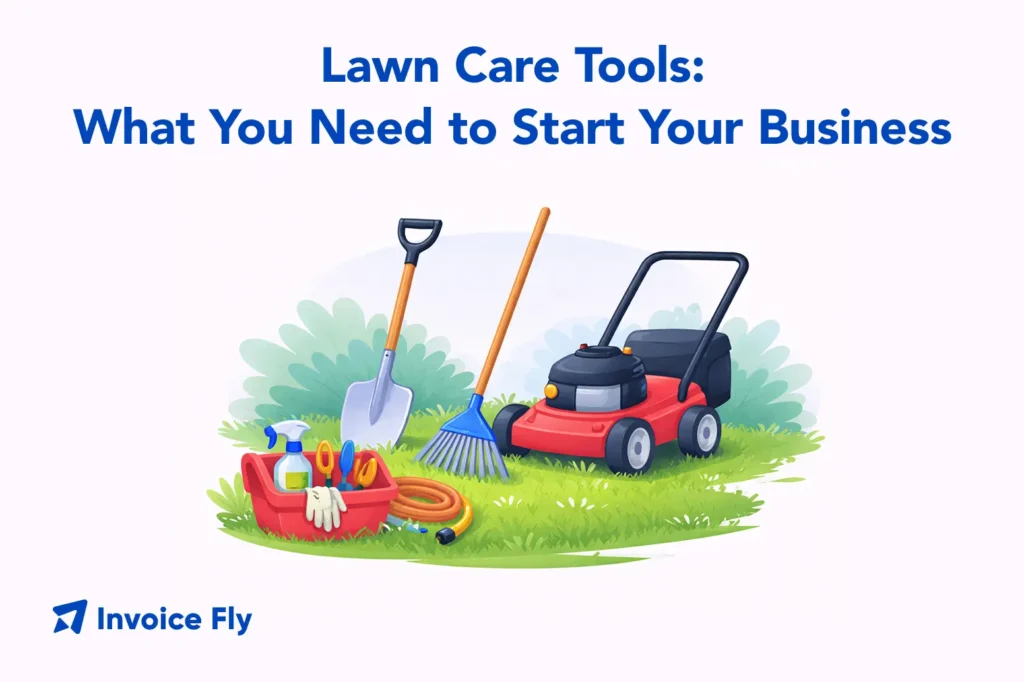
Table of Contents
The right lawn care tools are what allow professionals to deliver clean edges, even cuts, and fast turnaround on every client property. From commercial mowers and power trimmers to blowers, spreaders, and electric lawn care tools, each piece of equipment has a specific role in getting jobs done efficiently and safely. Once you know which tools truly matter (and how to use them), it becomes much easier to set up your business, work efficiently, and train new team members with confidence.
In this guide, we’ll walk through the must-have lawn care tools every professional should start with.
Complete Lawn Care Equipment List
Before spending a dollar on equipment, it helps to see the full picture. Here’s a quick overview of the essential lawn care tools and equipment a professional operation needs:
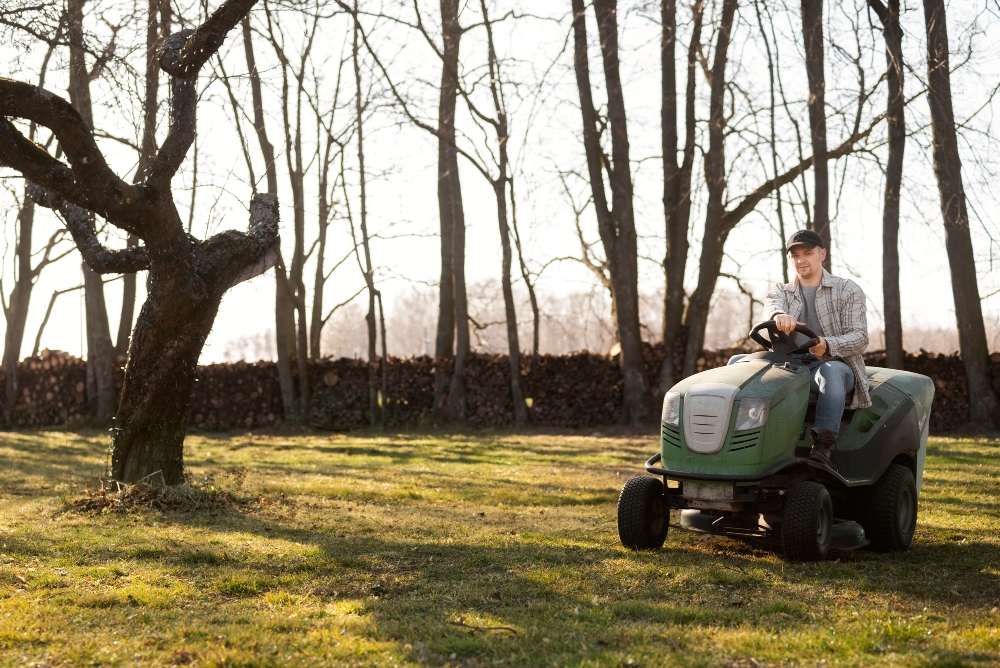
- Mowers — push mower and zero-turn mower
- Trimming and edging — string trimmer, professional string trimmer, lawn edger
- Cleanup — leaf blower (backpack style)
- Cutting and shaping — hedge trimmer
- Transport — dedicated truck and trailer
- Supplies — gas cans, trimmer line, oil, spare blades, safety gear
Not every business needs all of this on day one. Starting lean and scaling up as revenue grows is a smart approach — and knowing what each tool does helps you prioritize your purchases.
For the full roadmap on getting started, see our guide on how to start a lawn care business.
Lawn Care Business Software
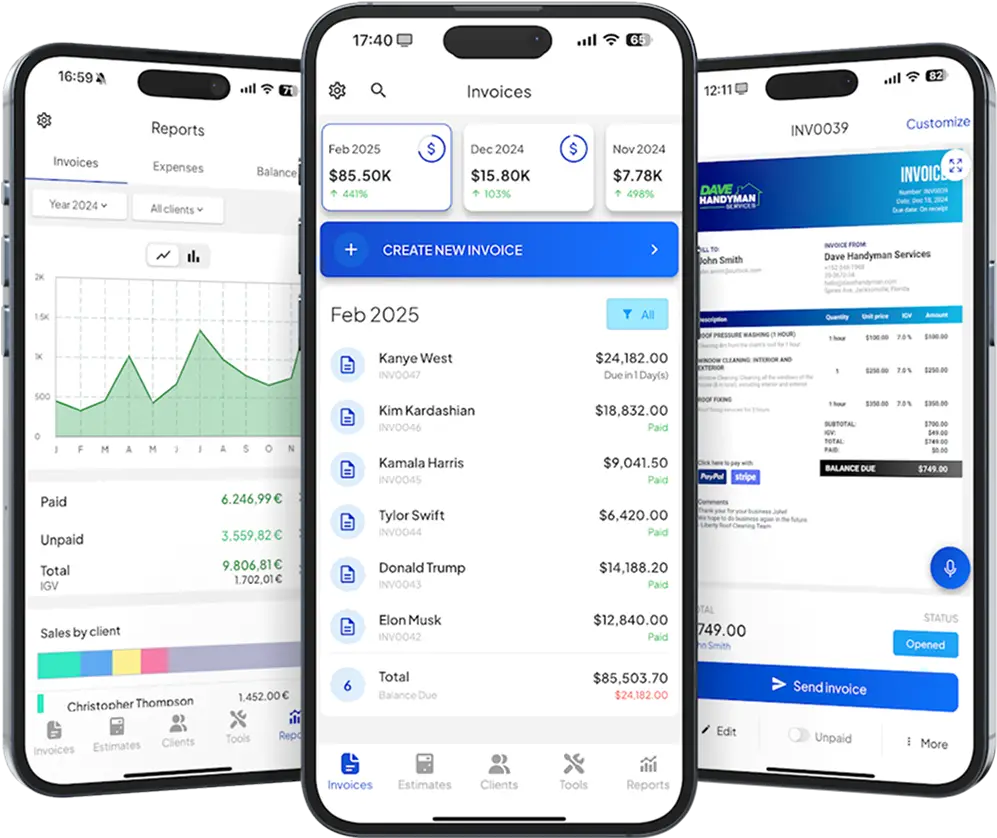
Equipment gets the work done. Software keeps the business running. Lawn care software helps you schedule jobs, track clients, send invoices, and manage your team all from one place. Pair it with an invoice maker to bill clients professionally after every job and get paid faster.
Lawn Care Equipment Cost and Budget Breakdown
Understanding what things cost upfront helps you plan your budget realistically. Here’s a general price range for the core tools:
| Equipment | Estimated Cost |
| Push mower | $300–$800 |
| Zero-turn mower | $3,000–$10,000+ |
| String trimmer (basic) | $100–$250 |
| Professional string trimmer | $250–$500 |
| Backpack blower | $200–$600 |
| Hedge trimmer | $100–$400 |
| Lawn edger | $100–$300 |
| Gas cans (set) | $30–$80 |
| Truck | $20,000–$50,000+ |
| Trailer (12–16 ft) | $2,000–$6,000 |
A basic starter setup using used equipment can come together for $2,000–$5,000. A full professional kit with commercial-grade tools runs significantly higher. Use the lawn care cost calculator to figure out what your setup costs and how to price jobs around it.
Basic Lawn Care Equipment List
These are the tools you need before you take on your first client.
Push Mower
A push mower is the entry point for any lawn care setup. It handles small to medium residential yards and works well in areas where a larger mower can’t fit — tight gates, narrow side yards, and irregular-shaped lawns.
For professional use, look for a self-propelled model with a commercial-grade engine. It’ll hold up to daily use far better than a standard homeowner mower. Blade height should be adjusted based on grass type (Kentucky bluegrass, fescue, ryegrass vs. Bermuda, zoysia) and season.
String Trimmer
A string trimmer — sometimes called a weed eater or weed whacker — cuts grass in spots the mower can’t reach. That means along fences, around trees, beside driveways, and in corners where clippings pile up.
For starting out, a straight-shaft gas trimmer gives you more reach and durability than a curved-shaft model. Always wear eye protection and closed-toe boots when operating one. OSHA provides safety guidance for outdoor power equipment that’s worth reviewing before putting any new crew member on a trimmer.
Gas Cans
Simple but essential. Keep separate, clearly labeled cans for gasoline and mixed fuel (for two-stroke engines). Running the wrong fuel in an engine is an expensive mistake. Most crews carry at least two cans — one for mowers and one for trimmers and blowers.

More Lawn Care Equipment
Once you’ve landed your first clients and have steady revenue coming in, these tools become the next logical investments.
Blower
A backpack blower clears grass clippings off driveways, walkways, and patios after mowing and trimming. It’s one of the fastest tools on the job site and makes a big difference in how clean a finished property looks.
Backpack-style blowers are preferred over handheld models for professional use — they’re more powerful and easier on your arms over a full day of work.
Zero-Turn Mower
A zero-turn mower is the standard for professional lawn care on medium to large properties. It cuts time on every job thanks to its tight turning radius and higher ground speed compared to a push mower.
The investment is significant, but the productivity gains make it one of the most important pieces of equipment a growing lawn care business can add. If the budget is tight, look at commercial-grade used models before buying new.
Hedge Trimmer
Hedge trimmers handle shrubs, bushes, and ornamental grasses. They’re a natural add-on service for any client who already has you maintaining their lawn, and they open the door to higher-ticket landscaping work.
Gas-powered models are best for heavy commercial use. Battery-powered hedge trimmers have improved significantly and are a good option for lighter residential work. Electric lawn care tools like these are growing in popularity as battery technology improves.
Professional String Trimmer
Once your business grows beyond a solo operation, a commercial-grade string trimmer becomes a necessity. These models are built for high-output daily use, feature more powerful engines, and accept a wider range of attachments — including edger heads, brush cutters, and blade attachments.
Edger
A dedicated lawn edger creates sharp, defined lines along driveways, sidewalks, and garden beds. It’s what separates a job that looks professional from one that just looks mowed.
Some string trimmers have edger attachments, but a standalone edger is faster and produces cleaner results. It’s a relatively low-cost tool that makes a visible difference in finished work quality.
Dedicated Truck
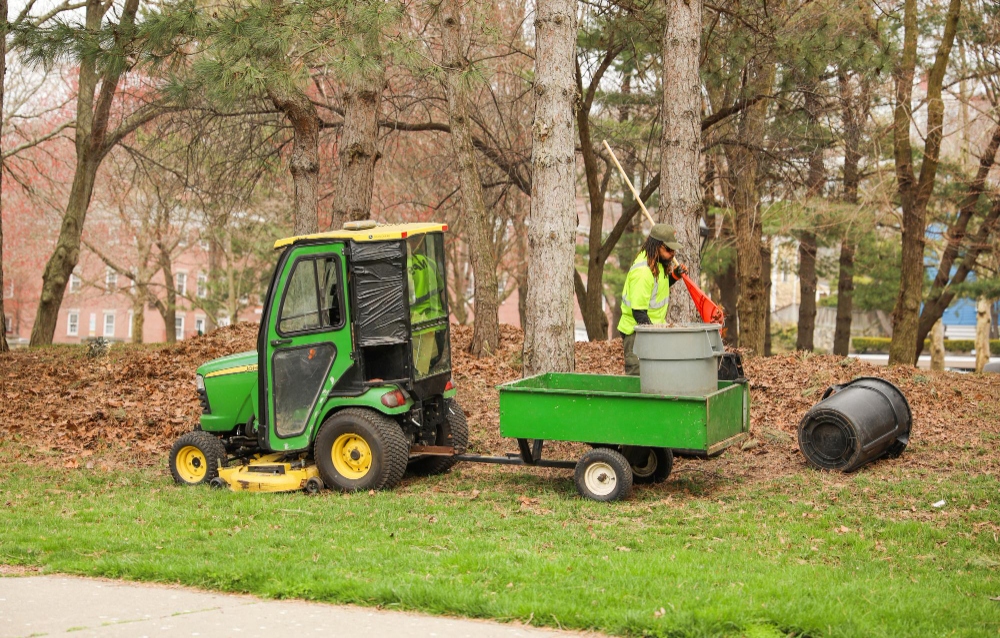
A pickup truck is the backbone of a mobile lawn care operation. It hauls your trailer, carries supplies, and gets your crew from job to job. A half-ton or three-quarter-ton truck works for most setups. Look for a truck with a tow package if you’re pulling a loaded trailer regularly.
Trailer
An open trailer in the 12–16 foot range is standard for most lawn care businesses. It carries your mowers, trimmers, blowers, and hand tools. Look for one with a ramp gate for easy loading and tie-down points to secure equipment during transport.
An enclosed trailer costs more but protects your tools from weather and reduces theft risk — worth considering as your equipment investment grows.
Other Non-Equipment Needs
The tools get the work done, but running a legitimate lawn care business requires a few other things too:
- Licensing: Requirements vary by state and county. Check our guide on how to get your lawn care license before you start operating.
- Insurance: Liability insurance protects you if equipment damages a client’s property. See our guide on lawn care insurance for what you need and how to get covered.
- Pricing: Knowing your costs is only half the equation. Our lawn care pricing chart shows market rates by service type so you can charge competitively.
- Estimates: First impressions matter. InvoiceFly’s free estimate generator helps you send fast, professional estimates that convert leads into paying clients.
- Safety gear: Eye protection, hearing protection, steel-toed boots, and gloves are non-negotiable for anyone operating power tools.

Conclusion
Building the right toolkit is one of the most important decisions you’ll make when starting a lawn care business. Start with the basics — a push mower, string trimmer, blower, and gas cans — then invest in larger equipment like a zero-turn mower and dedicated trailer as your client base grows.
Every tool you add should be matched to the jobs you’re actually winning. Buying equipment ahead of demand is one of the fastest ways to drain cash flow. Stay lean, work efficiently, and use our guide on how to start a lawn care business to build a solid operation from the ground up.
Use the free lawn care invoice template to bill clients after every job, and the lawn care cost calculator to make sure your pricing covers your equipment costs and keeps your margins healthy.