
How to Become a Plumber: Career, Salary & Training Guide

Table of Contents
Becoming a plumber is one of the few careers where you can skip the four-year degree, start earning on day one, and still build a six-figure income. The catch? There’s a clear path you need to follow. This guide walks you through every step — from your first day of training to earning your license and building a career in one of the most in-demand trades in the country. The education, apprenticeships, certifications, and career opportunities are all here.
How to Become a Plumber
Most plumbers follow a similar path: finish high school, enter a training program or apprenticeship, work toward licensure, and build experience over time.
Step 1: Get your high school diploma or GED. Most apprenticeship programs and plumbing trade schools require one. Math, physics, and vocational courses give you a head start.
Step 2: Choose your entry path. You can enter through a trade school program, a union or non-union apprenticeship, or by starting as a plumber’s helper with a local contractor.
Step 3: Complete your apprenticeship. Most states require apprentices to log a substantial number of on-the-job hours — typically over four to five years — before qualifying for a journeyman license.
Step 4: Get licensed. Requirements vary by state, but most involve passing a written exam covering plumbing codes, safety, and system design.
Step 5: Build experience and advance. After earning your journeyman license, you can work independently. Additional experience opens the door to a master plumber license — the credential needed to run your own business.
Tip: If launching your own operation is the goal, our guide on how to start a plumbing business covers everything from licensing to landing your first clients.
Plumber Career Stages
The plumbing trade has three distinct career levels. Here’s how they compare:
| Career Stage | Typical Time to Reach | What You Can Do | Can Pull Permits? |
| Apprentice Plumber | Year 0 — starting point | Works under supervision on job sites | No |
| Journeyman Plumber | Years 4–5 from apprenticeship start | Works independently on most residential and commercial jobs | Varies by state |
| Master Plumber | Years 7–10 total (varies by state) | Runs own business, supervises crew, manages contracts | Yes |
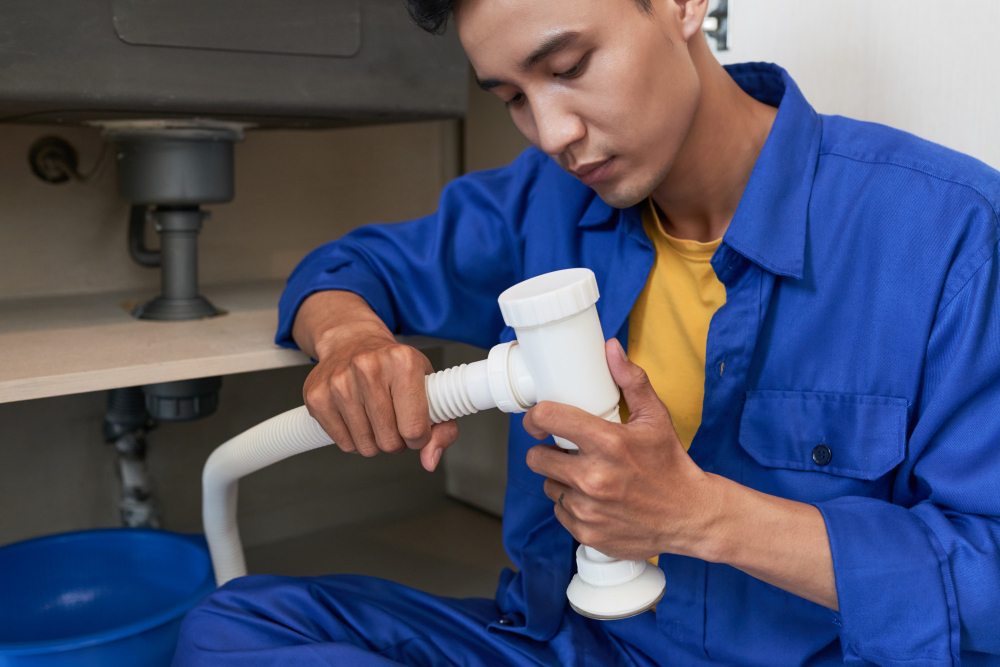
Apprentice Plumber — The starting point. Apprentices work under a journeyman or master plumber, learning through hands-on experience and classroom instruction. In states like Texas, apprentices must register with the state board before working on job sites. The Texas State Board of Plumbing Examiners outlines the full registration process.
Journeyman Plumber — After completing required apprenticeship hours and passing a licensing exam, you become a journeyman. Journeymen can work independently on most residential and commercial jobs.
Master Plumber — The highest level of plumbing licensure. Master plumbers can pull permits, run their own plumbing contractor business, and supervise other plumbers. This requires additional work experience beyond the journeyman level and a more advanced exam.
Plumber Job Description
On any given day, you might install a water supply system in a new home, repair a burst pipe in a commercial kitchen, or inspect a gas line for code compliance. The range of plumbing services grows significantly as you advance through the trade. For a detailed look at the day-to-day role, see our plumbing technician guide.
Plumber Job Requirements
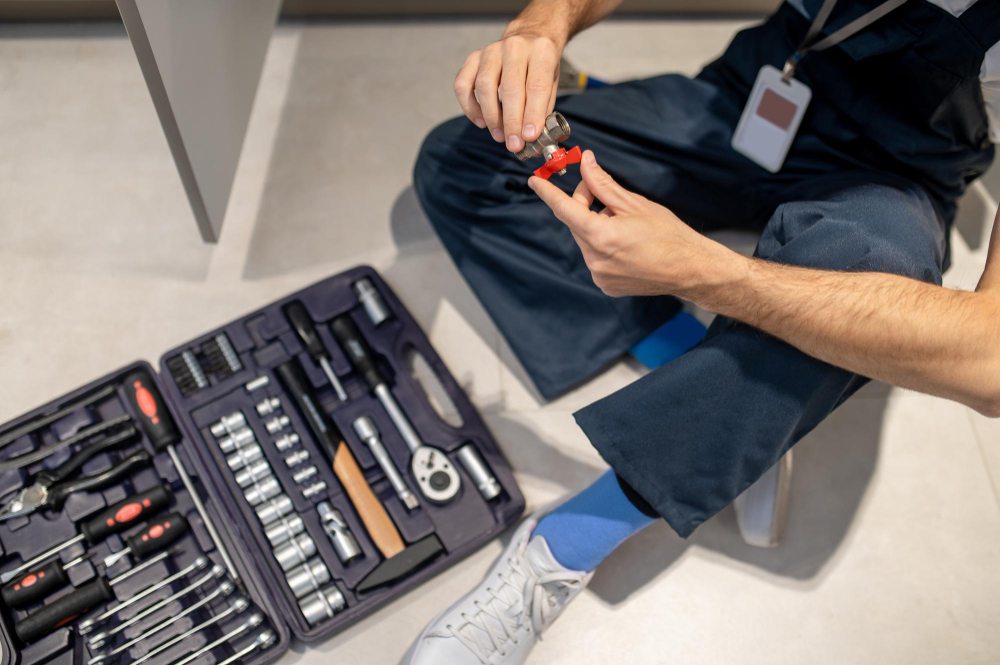
Most employers and licensing boards look for: a high school diploma or GED, completion of a plumbing apprenticeship or trade school program, a valid state plumbing license, physical stamina, basic math skills, and knowledge of local plumbing codes. Getting the right plumbing insurance (see our California state guide as an example) is equally important once you start working independently, as are solid plumbing contracts to protect you and your clients on every job.
How Hard Is It to Become a Plumber?
The biggest challenges are the time investment — four to five years of apprenticeship — and the physical demands of the work. That said, the plumbing trade rewards hands-on learners. Most people who stick with their plumbing apprenticeship find the skills click faster than expected once they’re in the field every day.
How Much Does It Cost to Become a Plumber?
The good news: becoming a plumber costs far less than a four-year college degree, and apprentices get paid from day one.
Here’s what you can realistically expect to spend:
- Trade school: Certificate programs typically run between $1,000 and $10,000, depending on the school and program length. Associate degree programs can reach $23,000 or more, though those are less common entry points into the trade.
- Apprenticeship: This is the most affordable path. Many union-sponsored programs cost little to nothing — some charge only nominal fees of $600–$700 to cover books and materials over the full four to five years. In many cases, your apprenticeship is essentially free.
- Licensing exams: State licensing fees generally range from $75 to $300 depending on your state and license level. Check your state licensing board for exact amounts.
- Tools and books: Budget an additional $500 to $1,500 for textbooks, safety equipment, and a starter toolkit. Some trade school tuition packages bundle these costs in — always confirm before enrolling.
Tip: See our plumbing tools guide for a full breakdown of what’s essential at each stage
How Long Does It Take to Become a Plumber?
- Trade school only: 6 months to 2 years for a certificate or associate degree
- Apprenticeship: 4 to 5 years of combined training and classroom instruction
- Full journeyman licensure: Typically 4 to 5 years from starting your apprenticeship
How Long Does It Take to Become a Master Plumber?
After earning your journeyman license, you’ll typically need two to four more years of experience before qualifying for the master plumber exam — so expect seven to ten years total from the start of your plumbing career. Timelines vary by state, so check your local licensing board for specifics.
How Long Does It Take to Become a Journeyman Plumber?
Most apprentice plumbers complete their training in four to five years, accumulating the required on-the-job hours, completing classroom instruction on plumbing codes, and passing their journeyman licensing exam. Some accelerated programs let motivated apprentices move faster.
Plumber Requirements and Qualifications
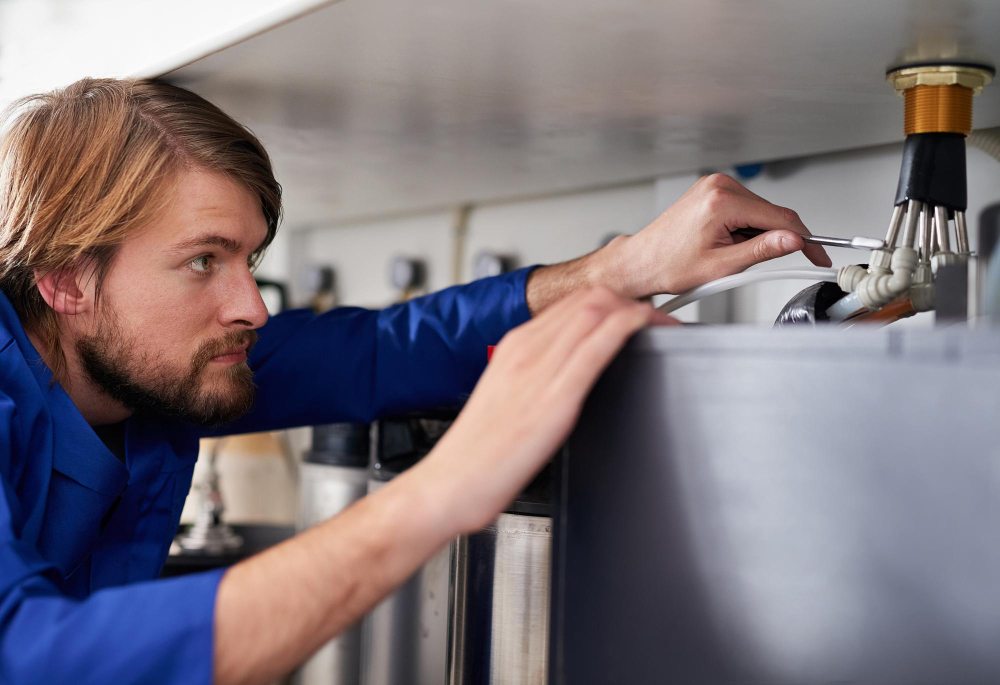
Most states follow a similar framework of apprentice, journeyman, and master levels. Beyond the basic plumber certification and the license itself, employers and clients value reliability, punctuality, safety awareness, and clear communication. A clean driving record matters too — plumbers drive company vehicles daily. Specialty work like gas lines, medical gas systems, or fire suppression may require additional certifications on top of your base license.
How Long Does It Take to Become a Licensed Plumber?
Getting a journeyman license typically takes four to five years from the start of your apprenticeship. Entering through a trade school first may allow you to apply those hours toward your requirements, potentially shortening the overall timeline. For a full state-by-state breakdown, see our guide on how to get a plumbing license.
Conclusion
Plumbing is one of the most stable, well-paying, and in-demand careers in the skilled trades. According to the BLS, the median annual wage for plumbers, pipefitters, and steamfitters is $61,550, with the top 10% earning over $100,000. And according to IBISWorld, the U.S. plumbing industry generates over $130 billion in annual revenue — with demand consistently outpacing the supply of qualified plumbers.
Once you’re licensed and ready to build your own operation, our plumbing software helps you manage jobs, send estimates, and get paid faster. Pair it with an invoice maker to send professional invoices from any job site, and grab our free plumbing estimate template to hit the ground running.
For the full business roadmap, visit our guide on how to start a plumbing business.