Plumbing Companies: How to Choose the Right One For You
Table of Contents
We’ve all been there – standing in water from a burst pipe at night, frantically searching “emergency plumber near me.” Or maybe you’re planning a bathroom update and need a plumbing company you can trust.
Finding the right plumbing company matters. A good plumber solves problems without stress. A bad one costs you extra money, time, and headaches.
Plumbing problems can range from minor annoyances like a dripping faucet to major emergencies like burst pipes that can damage your home. When these issues happen, you need someone you can trust to fix them quickly and correctly.
The challenge is knowing which plumbing company will deliver quality work at a fair price. With so many options available, how do you separate the professionals from those who might leave you with bigger problems than you started with?
This guide will walk you through the steps to find a plumbing company you can trust for years to come.
Types of plumbing companies
Plumbing companies fall into a few categories in general. These categories of plumbing companies are based on the kind of plumbing work that they do and the type of customers they serve. Here’s a list of the most common types of plumbing companies you’ll come across to help you choose what kind you need next time.
Residential plumbing companies
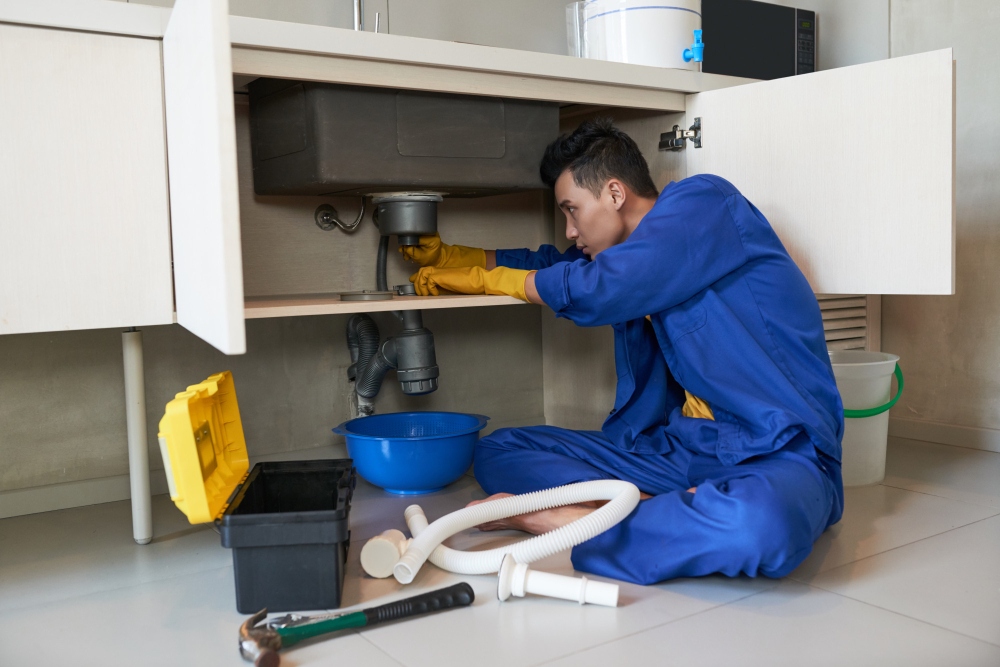
Residential plumbing companies are the type most homeowners need to work with. They specialize in handling everyday issues like fixing leaks, installing sinks or toilets, clearing clogged drains, and maintaining water heaters. If something goes wrong in your home, this is the type of company you should call.
Commercial plumbing companies
These companies work on larger projects like plumbing for offices and schools as well as hospitals and hotels. The plumbing systems they specialize in need to handle much heavier usage and they are bigger and more complex. Commercial plumbing companies work with plumbers trained to manage these types of high-demand setups.
Service and repair plumbing companies
These plumbing companies focus on fixing problems rather than on installing new plumbing systems. They diagnose issues, troubleshoot them, and carry out the repairs. Many of these companies also offer emergency services, meaning they can help when something breaks unexpectedly.
Construction plumbing companies
These specialists work on new buildings and construction projects. They install pipes, drainage systems, and ventilation often as part of a larger construction project. Homeowners won’t usually call them for repairs, but they play a really important role when a building is first being set up.
Industrial plumbing companies
These companies handle large and complex plumbing systems in factories and municipal settings. The type of work they do often involves heavy machinery and strict regulations, making it quite different from the type of work residential or commercial plumbing companies undertake.
Water supply and sanitary plumbing companies
These companies focus on clean water systems and waste management. That includes sewer lines, septic systems, and water treatment, helping water supply be safe to use and ensuring that waste is handled properly.
Gas fitters and specialty plumbing companies
These companies work with gas lines and specialized systems. They install and repair connections for appliances like stoves, heaters, and boilers, where safety and precise work are especially important.
In short, while all plumbing companies work with pipes and water systems, their day-to-day work can look very different depending on what they specialize in.
How to choose a plumbing company
Choosing a plumbing company to work with isn’t easy. It isn’t enough to know what kind of work you need them to do, you also have to make sure that the company you choose is trustworthy and can do the job really well.
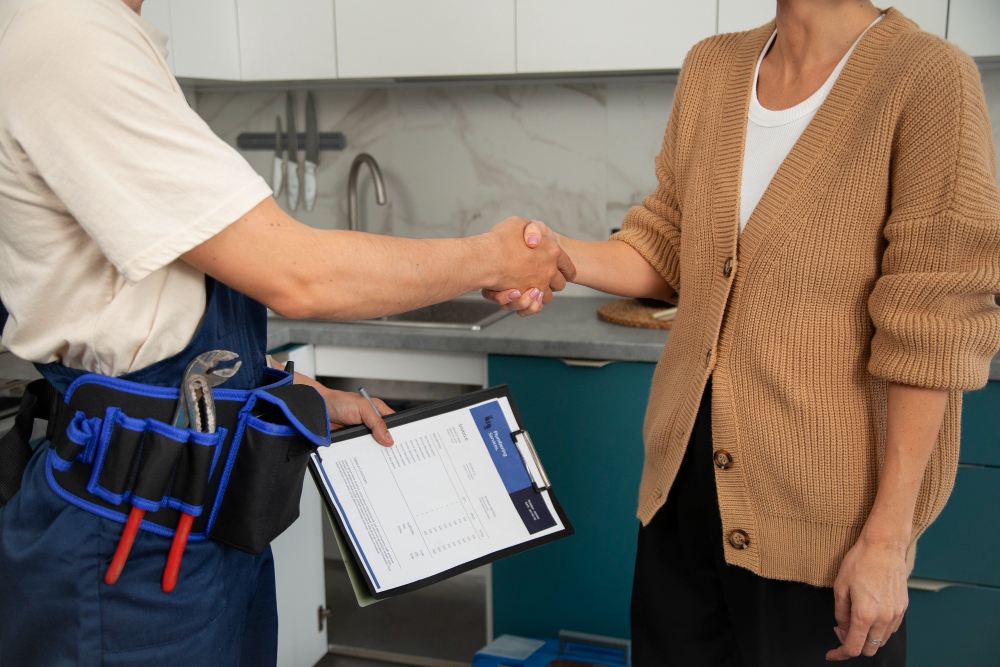
Here are the general steps you can take to choose a plumbing company and not regret it.
1. Get a referral
Nothing beats a recommendation from someone who’s had a good experience. When Maria needed to replace old pipes, she asked neighbors in her older neighborhood. She found a plumbing company who had worked on houses like hers and knew exactly what to do.
Tip: Ask what work was done, how the plumber handled surprises, and if the final bill matched the quote. Also ask if they would hire the same plumbing company again – this simple question often reveals their true level of satisfaction.
2. Look at online reviews
Check Google, Yelp, and Angi. A few bad reviews aren’t a deal-breaker—but repeated complaints can be a warning sign.
James picked a plumbing company based on how they responded to negative reviews. The company owned up to mistakes and offered solutions. This honesty helped him decide.
Online reviews give you access to experiences from dozens or even hundreds of customers. While no business pleases everyone all the time, the overall patterns in reviews can tell you a lot about how a plumbing company operates.
When reading reviews, look for details about the specific services you need. A company might excel at installations but struggle with emergency repairs, or vice versa.
Pay special attention to reviews from the past 6-12 months, as companies can change over time. A plumbing company with poor reviews from three years ago but excellent recent feedback might have improved their service.
Look for:
- Praise for being professional
- Clear pricing with no surprise fees
- Fast responses, especially for emergencies
- Respectful replies to unhappy customers
- Consistent comments about cleanliness and tidiness
- Mentions of punctuality and following through on commitments
3. Check the Better Business Bureau (BBB)
Visit bbb.org to check the plumbing company’s rating and read customer complaints. A business doesn’t need a perfect score, but unresolved issues are a warning sign.
Tip: Don’t just look at the letter grade. Read the full report. Check how many complaints were filed and, more importantly, how the company addressed them. Even an A-rated company might have patterns of behavior that would concern you.
4. Use social media
Social media is great for checking a company’s recent work. Look for before-and-after photos, customer shout-outs, or repair tips.
Sarah found her plumber on Instagram after seeing a detailed post about installing a water heater. She liked how clean their work looked and how they explained every step.
Look for:
- Regular updates
- Talking with followers
- Team members shown
- Positive comments from customers
5. Get a Few Quotes
Always compare prices from at least three companies for bigger jobs. Remember, cheapest isn’t always best.
Mike needed a sump pump and got quotes from $900 to $2,800. The cheapest didn’t include an important backup, and the most expensive added things he didn’t need. He chose the middle quote. It covered everything at a fair price.
Each quote should include:
- Material and labor costs
- Timeline
- Payment plan
- What’s not included
- Warranty details
Want to understand how plumbers calculate their quotes? Here’s a helpful guide on How to Price Plumbing Jobs in 2025: The Definitive Guide.
6. Confirm Their Payment Schedule
Good plumbers are clear about how and when they expect payment. Avoid anyone asking for full payment before starting work.
A payment schedule protects both you and the plumber. It ensures they have the funds to buy materials and pay their workers, while giving you leverage to make sure the job gets completed properly.
Warning signs include plumbers who:
- Demand full payment upfront
- Only accept cash
- Pressure you to decide immediately
- Won’t provide a written contract
For big jobs, you might see:
- 25-30% deposit for materials and scheduling
- Payments at certain completion points (like after rough-in plumbing)
- Final payment after everything is done and inspected
When Lisa had her bathroom redone, her plumber offered payments tied to completion stages. This gave her confidence they wouldn’t get fully paid until everything worked properly.
Always get the payment terms in writing as part of your contract. This protects you if there are disagreements later about what was agreed upon.
7. Ask About Their Services
Not all plumbing companies do everything. Some focus on new construction, others on repairs or water heaters.
Ask what they handle most often. You want someone (for example a plumbing technician) with experience in your specific problem.
Common specialties:
- Home vs. business plumbing
- New construction vs. remodels
- Water heater installation and repair
- Drain cleaning and sewer services
- Pipe replacement
- Sewer line repair
- Gas line installation
- Water filtration systems
- Tankless water heaters
- Backflow prevention
If you’re planning to start your own business, our step-by-step guide to How To Start a Plumbing Business: 6-Step Guide breaks it all down for you.
8. Check out their emergency services
Even if you don’t have an emergency now, knowing a plumbing company offers 24/7 help tells you a lot about how reliable they are. Some companies advertise emergency services but then take hours to respond or charge extremely high rates. Ask specific questions about their emergency procedures before you need them.
Ask:
- Do they charge extra after hours?
- How quickly do they usually respond?
- Will you get the same plumber you worked with before?
- Is there a special emergency line?
9. Ask about experience
Years in business matters, but so does specific experience to become a plumber. Ben had a leak under his foundation. He found a plumbing company who specialized in this work and avoided having his entire floor torn up.
Tip: Ask how often they handle problems like yours.
Experience often links to pay, too. Curious about earning potential? See How Much Do Plumbers Make? 2025 Salary Guide.
10. Check for license and insurance
Never hire a plumber who isn’t licensed and insured. This protects you from damage and ensures the person knows what they’re doing.
Look for:
- A current plumbing license
- Liability insurance
- Workers’ comp for employees
If you’re curious about what it takes to become licensed, our guide on How To Get a Plumbing License in 2025: 6 Simple Steps explains the process in detail.
Don’t know how to check whether your plumber is licensed? Most states have a website for that. For example, if you are in Michigan, you can go to this Michigan government website and check the license of the business you are considering contracting. Simply choose “Occupational professional”, then scroll to “Skilled trades” and choose “Plumber.” Fill in the information of the business or contractor and check whether the plumbing company is legitimate.
If you’re in California, check out this resource on Plumbing Insurance In California: Types & Costs to make sure you’re covered.
11. Ask about the brands they use
Plumbers often prefer certain brands. Rachel’s plumber compared three water heater brands explaining why one was better for her family’s needs.
Questions to ask:
- Which brands do you install most?
- What kind of warranty comes with it?
- Do you offer different price options?
Avoid plumbing companies that only use special parts that are expensive or hard to replace.
Read more if you are curious about all the plumbing tools needed for certain jobs.
12. Consider location
A local plumber can offer faster service, lower travel fees, and better knowledge of the area’s common issues.
Tom in Denver chose a plumber from his neighborhood who knew exactly how to winterize his pipes for the freeze-thaw cycles in the region.
13. Pay attention to communication
From your first call or email, how a company communicates says a lot. Are they responsive? Do they explain things clearly?
Watch for:
- Fast replies
- Clear answers
- Friendly tone
- Options, not pressure
Karen appreciated how her plumber gave her updates before the visit, explained the issue in plain English, and offered repair choices. She felt in control throughout the entire process.
14. Look for professionalism and consistency
Small details show big things about how a company works.
Signs of professionalism:
- Clean uniforms and trucks
- Professional paperwork
- Shoe covers in your home
- Thorough cleanup afterward
It all adds up to a company that takes pride in doing things right.

Bonus: Simplify Payments and Invoicing
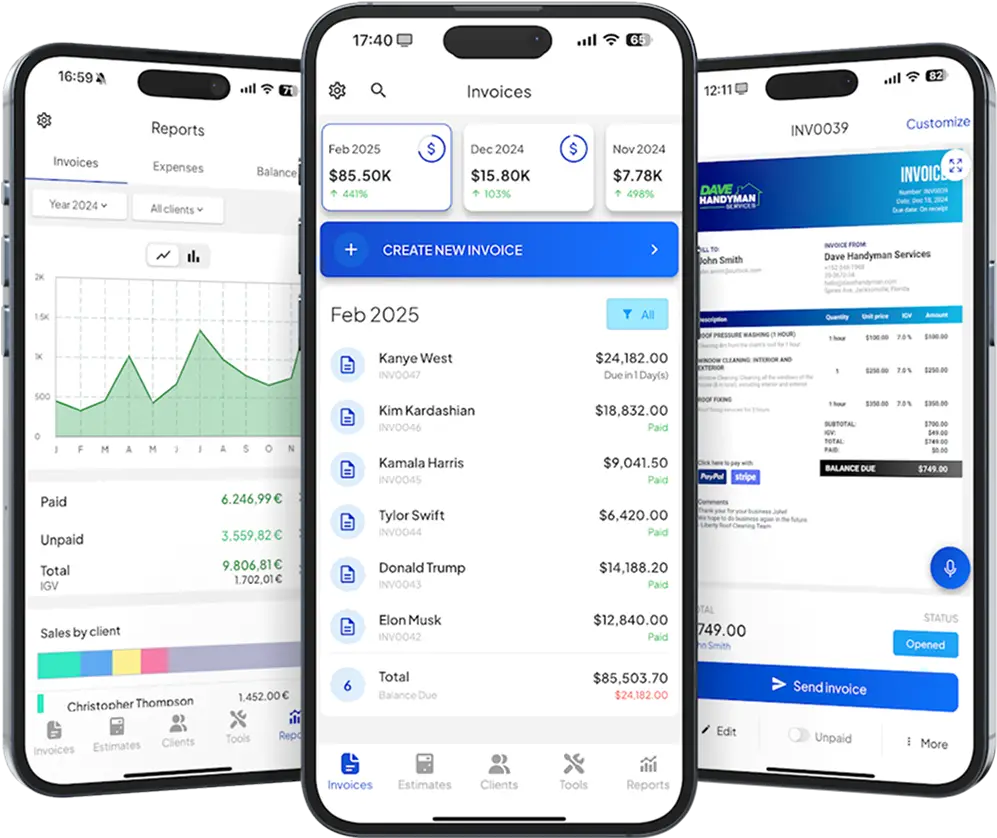
Once you find the right plumber—or if you’re a plumbing business yourself—you’ll want an easy way to handle billing.
Invoice Maker lets you create and send professional invoices in minutes. You can customize templates, include payment terms, and even add thank you notes to make clients feel appreciated.
If you’re planning to start your own business, our step-by-step guide to How To Start a Plumbing Business breaks it all down for you.
Final Thoughts
Finding the right plumbing company isn’t just about fixing today’s problem. It’s about building a relationship with someone you can trust. The cheapest option might work once, but reliable service saves money and stress over time.
When you find a good plumber, keep their contact information handy. Developing a long-term relationship with a plumbing company means they’ll become familiar with your home’s systems and be better equipped to address future issues quickly.
Use recommendations, ask good questions, and trust your instincts. When a plumbing company has experience, professionalism, and clear communication, you’ll know you’ve found a keeper.
Remember that sometimes paying a bit more upfront for quality work can save you significantly in the long run. Poor plumbing work often leads to bigger, more expensive problems down the road.
At the end of the day, finding a great plumber means peace of mind. A company that shows up when needed, does the work right, and treats you with respect is worth holding onto.