Landscaping Contracts: Guide For Contractors And Service Businesses
Table of Contents
Landscaping contracts are long-term maintenance or project agreements between landscaping businesses and clients that outline the scope of work, pricing, service frequency, timelines, and responsibilities for lawn care or landscape services.
Instead of relying only on one-time jobs, strong contracts help contractors secure recurring revenue, improve scheduling, and build long-term customer relationships with residential, commercial, HOA, or government clients.
What are landscaping contracts?

A landscaping contract is a written agreement between a landscaping business and a client that explains the services being provided, pricing, payment terms, schedules, and responsibilities for both parties.
Most landscaping contract agreements include:
- Scope of work
- Service schedule
- Payment terms
- Property details
- Contract duration
- Cancellation terms
- Insurance and liability details
For example, a residential landscape maintenance contract may include weekly mowing, edging, shrub trimming, and spring cleanups for a fixed monthly fee. A commercial landscaping contract may include larger recurring services across office parks, retail centers, or apartment complexes with detailed maintenance schedules and reporting requirements.
Landscaping contracts help businesses:
- Create predictable recurring revenue
- Reduce payment disputes
- Clarify expectations
- Improve scheduling and crew planning
- Build long-term customer relationships
Recurring contracts are especially important because they allow landscaping businesses to forecast labor, equipment use, and seasonal cash flow more accurately.
Contractors planning long-term growth often strengthen operations early by learning how to start a landscaping business before expanding into larger recurring contracts.
How to find landscaping contracts
Finding contracts requires a combination of networking, marketing, lead generation, and consistent follow-up.
Target commercial landscaping clients
Commercial landscaping contracts are often more stable and profitable than one-time residential jobs.
Potential commercial clients include:
- Office parks
- Retail centers
- Apartment complexes
- Hotels
- Industrial facilities
- HOAs
Property managers often prioritize reliability, communication, and consistent service over the lowest price.
For example, many successful landscapers visit local commercial properties directly, introduce themselves to property managers, and leave business cards or capability packets outlining their services.
Use landscaping bidding websites and contract platforms
Online bidding platforms help contractors find landscaping contracts for bid locally and nationally.
Common bidding platforms include:
- BidNet Direct
- PlanHub
- Dodge Construction Network
- SAM.gov
These platforms list commercial and government contracts that businesses can bid on.
According to BidNet Direct, contractors who regularly monitor bidding opportunities often improve long-term contract volume and recurring maintenance opportunities.
Build local relationships and referrals
Networking remains one of the best ways to secure recurring landscaping contracts.
Landscaping businesses often build relationships with:
- Real estate agents
- Property managers
- General contractors
- HOA board members
- Local business owners
Many contractors also join local Chambers of Commerce and real estate networking groups to increase visibility.
Landscapers improving local lead generation often strengthen online visibility through landscaping SEO and customer referral systems.
Partner with general contractors and developers
General contractors frequently need landscaping subcontractors for new construction and development projects.
For example, residential developers may need landscapers for:
- Sod installation
- Irrigation systems
- Tree planting
- Final grading
- HOA common areas
Building relationships with local builders can create recurring subcontractor opportunities year-round.
Follow up consistently after proposals
Many landscaping businesses lose contracts simply because they fail to follow up.
Strong follow-up may include:
- Checking proposal status
- Answering questions
- Clarifying pricing
- Offering revised service packages
Reliable communication often separates successful landscaping contractors from competitors.
Types of landscaping contracts
Landscaping businesses work with several different types of contracts depending on the customer and project scope.
Residential landscaping contracts
Residential landscaping contracts usually involve homeowners.
Common residential services include:
- Lawn mowing
- Mulching
- Shrub trimming
- Fertilization
- Seasonal cleanups
- Irrigation maintenance
These contracts are often monthly or seasonal agreements with recurring service schedules.
Commercial landscaping contracts
Commercial landscaping contracts cover larger properties and recurring maintenance work.
Examples include:
- Office buildings
- Shopping centers
- Apartment complexes
- Hotels
- Industrial parks
Commercial contracts often require:
- Detailed scopes of work
- Insurance requirements
- Larger crews
- Reporting systems
- Multi-year agreements
Businesses expanding into commercial work often improve profitability by learning how to price landscaping jobs accurately before bidding larger contracts.
HOA landscaping contracts
HOA landscaping contracts involve maintaining common areas within homeowner associations.
Services may include:
- Lawn care
- Irrigation checks
- Tree trimming
- Seasonal flowers
- Pool area maintenance
HOAs usually prioritize consistency, communication, and appearance standards.
Government landscaping contracts
Government landscaping contracts may involve:
- Parks
- Public buildings
- Schools
- Roadside maintenance
Government contracts often require formal bidding processes, licensing, insurance, and detailed compliance documentation.
Government contracts often involve stricter bidding procedures than residential or commercial work. Reviewing opportunities posted by agencies such as the Florida Department of Transportation can help landscapers understand common requirements before submitting a bid.
Landscape maintenance contracts
Landscape maintenance contracts focus on recurring property upkeep throughout the year.
These agreements may include:
- Weekly mowing
- Fertilization
- Weed control
- Seasonal cleanup
- Snow removal
Annual landscaping maintenance contracts help stabilize recurring revenue and improve long-term customer retention.
Residential vs. commercial landscaping

Residential and commercial landscaping contracts differ significantly in pricing, expectations, and management requirements.
Residential landscaping
Residential clients usually prioritize:
- Appearance
- Communication
- Affordability
- Flexibility
Projects are typically smaller and involve direct communication with homeowners.
Residential landscaping contracts may be easier to secure initially, especially for smaller businesses entering the market.
Commercial landscaping
Commercial landscaping contracts usually involve:
- Larger properties
- More detailed agreements
- Recurring maintenance schedules
- Strict insurance requirements
- Formal bidding processes
Commercial clients often focus heavily on reliability, response times, and consistency because landscaping affects property appearance and tenant satisfaction.
Commercial landscape contract pricing is also usually based on:
- Property size
- Service frequency
- Labor requirements
- Equipment costs
- Seasonal work
Landscaping businesses preparing for larger contracts often strengthen operations by maintaining proper landscaping insurance and licensing requirements.
Requirements for bidding landscaping contracts

Before bidding contracts, landscaping businesses usually need several operational and legal requirements in place.
Business licenses and insurance
Most commercial and government contracts require:
- Business licenses
- General liability insurance
- Workers’ compensation coverage
- Vehicle insurance
Some states also require pesticide or irrigation certifications.
Landscaping businesses preparing for larger contracts often review how to get a landscaping license before bidding regulated projects.
Professional proposals and estimates
Strong landscaping contract proposals should include:
- Detailed scope of work
- Pricing breakdowns
- Service schedules
- Company information
- References or testimonials
- Insurance details
Well-organized proposals help build trust and improve bid acceptance rates.
Contractors bidding recurring maintenance work often use a free landscaping estimate template to present pricing, service schedules, and scope details in a consistent format.
Equipment and staffing requirements
Commercial landscaping contracts may require:
- Multiple crews
- Commercial mowing equipment
- Irrigation tools
- Trucks and trailers
- Seasonal staffing
Property managers want contractors who can reliably handle large properties without delays.
Reputation and reliability
Long-term landscaping contracts often depend on reputation.
Clients typically evaluate:
- Online reviews
- Communication
- Reliability
- Appearance of crews and vehicles
- Previous projects
According to the Bureau of Labor Statistics, landscaping and groundskeeping services continue supporting large numbers of workers across residential and commercial markets.
How to write a landscaping contract
A landscaping contract should clearly explain the services being provided and protect both the contractor and the client.
Include a detailed scope of work
The scope of work should explain:
- Services included
- Frequency of work
- Materials provided
- Areas covered
- Seasonal services
For example, weekly mowing may include edging, blowing debris, and monthly shrub trimming.
Define payment terms and schedules
Landscaping contracts should explain:
- Monthly pricing
- Payment due dates
- Deposits
- Late fees
- Accepted payment methods
Clear payment terms help reduce disputes and delayed payments.
Add contract duration and cancellation terms
Most landscaping service contracts include:
- Start and end dates
- Renewal terms
- Cancellation notice requirements
- Termination conditions
Annual landscaping maintenance contracts often renew automatically unless canceled by either party.
Include insurance and liability information
Contract agreements should clarify:
- Insurance coverage
- Property damage responsibilities
- Weather delays
- Safety responsibilities
For landscaping companies managing ongoing service agreements, software for landscaping business can help keep contracts, invoices, service schedules, and customer records organized in one place.
Common mistakes to avoid

Many landscaping businesses lose contracts or reduce profitability because of avoidable mistakes.
Using vague scopes of work
Unclear landscaping contract scope of work sections often lead to customer disputes.
For example, clients may assume weed removal or irrigation repairs are included when they are not specifically listed.
Underpricing commercial contracts
Some landscapers bid too low to win contracts but later struggle to cover labor, fuel, and equipment costs. Accurate estimating is critical for maintaining healthy margins long term.
Failing to follow up
Many contractors submit proposals but never follow up afterward. Consistent communication often improves close rates significantly.
Ignoring contract renewal opportunities
Recurring landscaping contracts become much more valuable over time.
Businesses that maintain strong customer communication and reliable service often improve retention and referrals naturally.
Many business owners first learn how to start a landscaping business and later refine their pricing, scheduling, and customer retention strategies as they take on more recurring contracts.
Ready to win more recurring landscaping contracts and retain clients longer?
Contracts help landscaping businesses create recurring revenue, improve scheduling, and build long-term customer relationships across residential, commercial, HOA, and government projects.
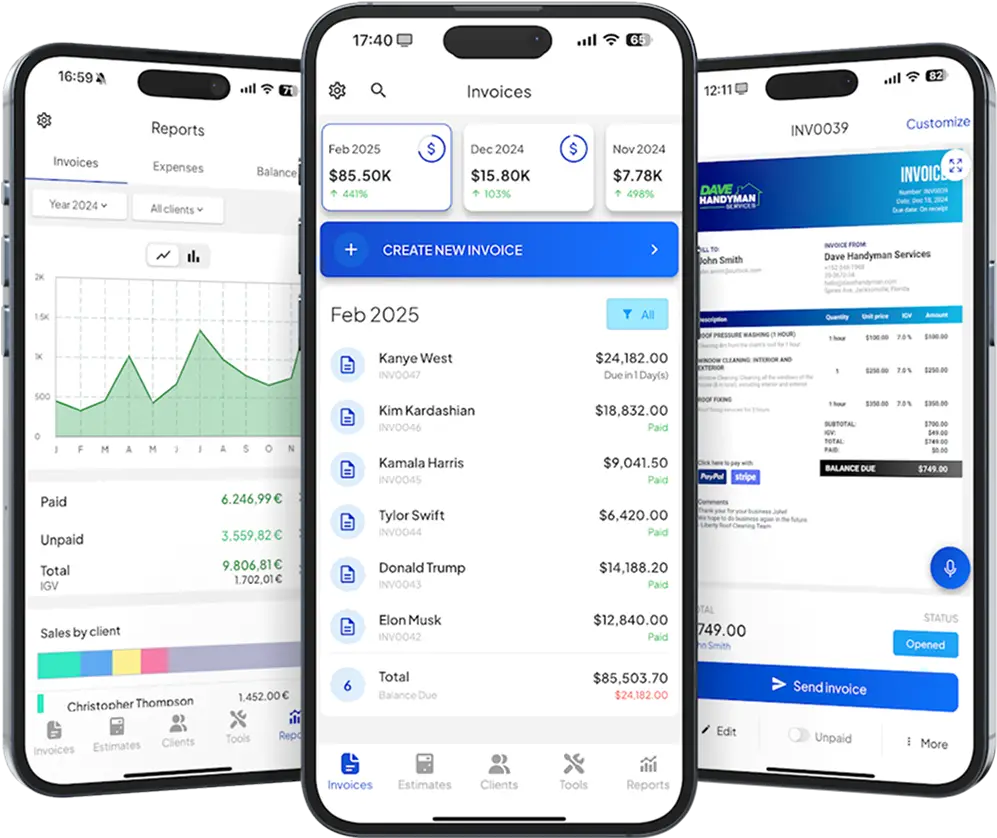
Using software for landscaping business helps contractors organize bids, recurring services, customer communication, and invoices more efficiently from one platform.
Growing landscaping companies can also simplify billing workflows using a free invoice generator and professional estimating tools for recurring service agreements.