Best Contractor CRM Software For Small Businesses
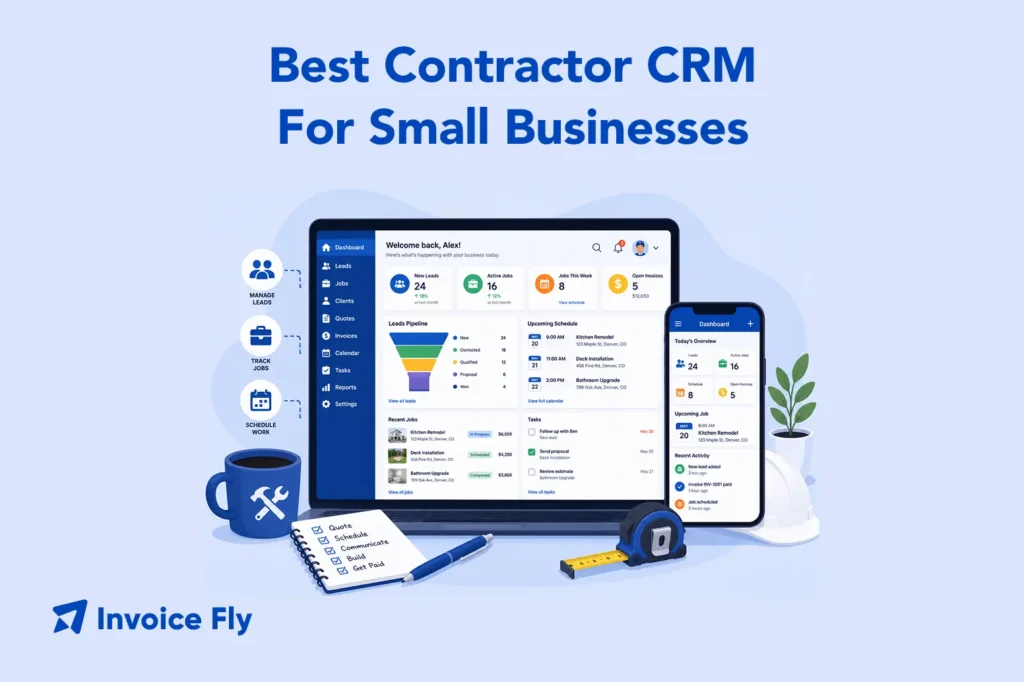
Table of Contents
Contractor CRM software is a customer relationship management tool built to help contractors track leads, bids, jobs, and client communication in one place instead of juggling spreadsheets and sticky notes.
The best contractor CRM platforms for 2026 add features for scheduling, estimating, and job tracking so general contractors and small crews can follow up faster and close more profitable projects.
What is Contractor CRM Software?

Contractor CRM software is a customer management platform designed specifically for contractors, builders, remodelers, and construction firms. Unlike standard CRM systems built for retail or office sales teams, contractor CRMs focus on project-based workflows. They help users manage leads, estimates, scheduling, job progress, invoices, and client communication in one dashboard.
For example, a roofing contractor may receive 40 leads each month through referrals, online ads, and website forms. Without a CRM tool, those leads often end up spread across notebooks, text messages, emails, and spreadsheets meaning important opportunities can easily get missed.
A contractor CRM automatically organizes each inquiry into a sales pipeline so contractors can schedule estimates, monitor status, and follow up at the right time.
Most contractor CRM platforms include:
- Lead tracking
- Proposal and estimate management
- Appointment scheduling
- Mobile apps for field teams
- Customer communication history
- Invoice tracking
- Workflow automation
- Sales pipeline management
Many CRMs also connect with accounting tools like QuickBooks and Xero. Contractors can handle payments, invoicing, and customer records from one place instead of switching between software.
The best contractor CRM software reduces missed opportunities and keeps customer communication organized.
Contractors building a business foundation can also learn more about starting a general contracting business.
Why General Contractors Need CRM Software
General contractors juggle multiple responsibilities every day. Between client calls, subcontractors, permits, estimates, scheduling, and job updates, details can quickly become difficult to manage.
A CRM gives contractors a central location for customer records and workflow and improves sales follow-up. Many homeowners contact multiple contractors before making a decision. Companies that respond faster often win more projects.
Mobile access creates another advantage. Contractors spend more time at jobsites than at desks. CRM apps allow users to:
- Update project notes
- Send invoices
- Schedule appointments
- Upload photos
- Review customer details
- Track sales activity
Contractors who improve organization early often create stronger long-term growth.
CRM for Contractors Comparison Chart
| CRM Software | Best For | Starting Price | Key Features |
|---|---|---|---|
| Invoice Fly | Small contractors | Starting at $8.99/week or $98.99/month | Invoicing, CRM, estimates |
| Procore | Large construction firms | Custom pricing | Document management |
| JobNimbus | Roofing contractors | Around $249/month | Lead workflows |
| Pipedrive | Sales-focused teams | Around $14/user/month | Pipeline management |
| Monday.com | Custom workflows | Around $12/user/month | Flexible dashboards |
| Jobber | Service contractors | Around $25/month | Scheduling and invoicing |
| HubSpot | Budget-conscious teams | Free available | Lead tracking |
| Zoho CRM | Growing businesses | Around $20/user/month | Automation tools |
| Buildertrend | Home builders | Custom pricing | Construction management |
| Salesforce | Enterprise teams | Around $25/user/month | Advanced customization |
Best Contractor CRM Software List

Invoice Fly
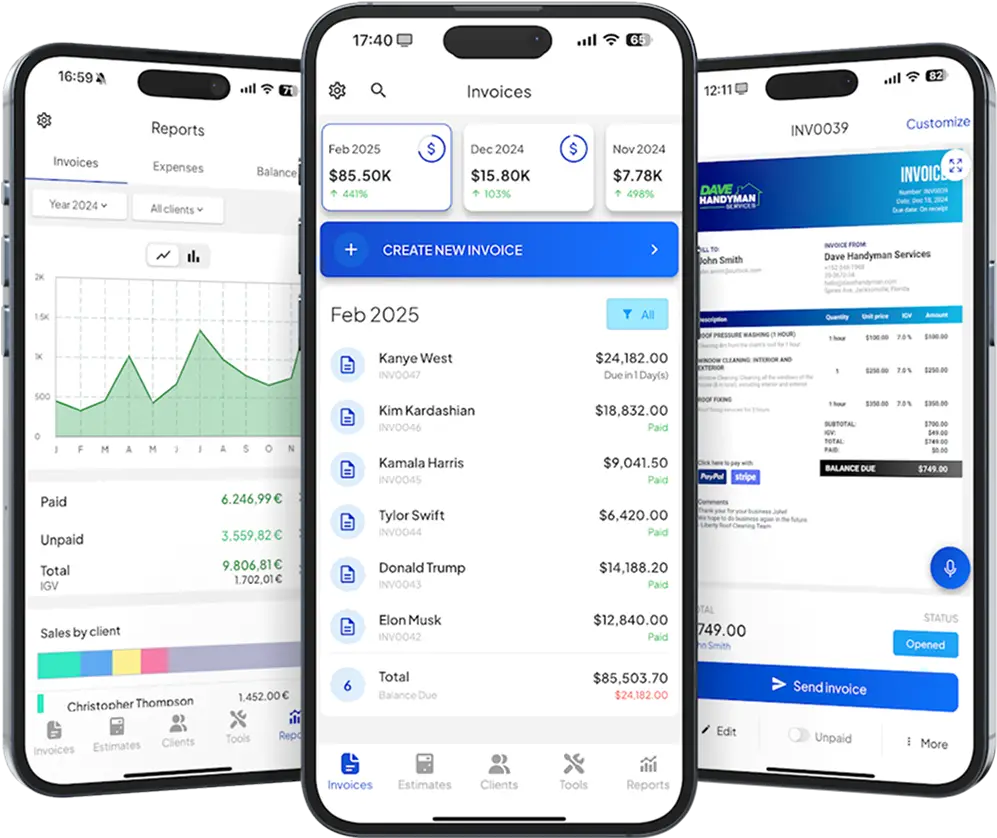
Invoice Fly works well for small contractors who want CRM features without enterprise complexity. It combines estimates, invoices, scheduling, customer management, and payment tracking into one workflow.
For example, an HVAC contractor can create an estimate during a service appointment, send it immediately to the client, and convert it into an invoice after completing the work.
Invoice Fly works particularly well for:
- Independent contractors
- Small remodeling teams
- Service contractors
- Electricians
- Handyman businesses
Many contractors prefer one system rather than juggling several disconnected tools.
Procore
Procore is one of the best CRM software options for general contractors managing large-scale construction projects.
Large commercial jobs create thousands of documents, approvals, and subcontractor updates. Procore centralizes those processes.
For example, a contractor overseeing a $5 million office build may track permits, RFIs, inspections, and contractor communication daily.
Procore works best for:
- Commercial construction firms
- Enterprise teams
- Multi-location businesses
- Large project operations
JobNimbus
JobNimbus is especially popular among roofing and trade contractors because of its workflow automation and lead tracking tools.
Roofing contractors often manage insurance claims and inspection schedules. JobNimbus organizes these steps with visual workflows.
For example:
- Inspection scheduled
- Estimate sent
- Contract signed
- Production phase
- Project completed
Managers can quickly monitor sales activity and identify stalled opportunities.
Pipedrive
Pipedrive focuses heavily on sales organization.
A remodeling contractor may organize leads into stages like:
- New inquiry
- Estimate booked
- Proposal sent
- Negotiation
- Closed project
This type of structure creates consistency and improves follow-up rates.
Contractors looking for broader business resources can also explore general contracting guides.

Monday.com
Monday CRM provides highly customizable workflows.
A growing remodeling company may create project boards for:
- Scheduling
- Permits
- Materials
- Change orders
- Customer communication
Monday.com works well for contractors managing several projects at once and needing flexible systems.
Jobber
Jobber remains one of the best CRM systems for field service businesses.
Electricians, HVAC companies, and plumbers frequently use Jobber for:
- Scheduling
- Dispatching
- Automated reminders
- Invoicing
- Customer communication
For example, a plumbing company can automatically notify clients when technicians are arriving.
HubSpot
HubSpot offers one of the strongest free CRM options available.
Independent contractors often use HubSpot before moving into larger platforms.
Key features include:
- Contact management
- Email tracking
- Lead capture forms
- Sales automation
Contractors entering the industry may also benefit from learning the first steps in becoming a general contractor.
Zoho
Zoho CRM offers powerful automation features.
For example, flooring contractors can trigger automatic follow-up emails after sending estimates.
Zoho tracks:
- Lead sources
- Customer activity
- Revenue trends
- Sales performance
This helps contractors identify which marketing efforts create results.
BuilderTrend
Buildertrend is widely considered one of the best contractor CRM software options for residential builders and remodelers.
Home builders frequently use Buildertrend to manage:
- Customer communication
- Schedules
- Budgets
- Progress updates
- Change orders
Its biggest advantage is connecting the sales process directly to active construction work.
Salesforce
Salesforce remains one of the most customizable CRM systems available.
Large contractors can build specialized workflows for:
- Regional sales tracking
- Reporting dashboards
- Team performance metrics
- Enterprise operations
While powerful, smaller businesses often find Salesforce more complex than necessary.
How to Choose the Best Contractor CRM Software

Choosing the best CRM for contractors depends on company size, workflow needs, and budget.
A one-person handyman company has different requirements than a commercial construction firm managing multiple crews.
When comparing contractor CRM software, prioritize:
- Ease of use
- Mobile functionality
- Lead tracking
- Scheduling tools
- Workflow automation
- Accounting integrations
- Reporting capabilities
- Estimate management
Contractors should also think about future growth. Switching platforms later can become difficult.
According to the BLS, landscaping and groundskeeping services employ hundreds of thousands of workers across the U.S., highlighting the continued demand for residential and commercial landscape maintenance services.
Growing contractors should also understand business requirements like general liability insurance for contractors.
If customer communication and invoicing create bottlenecks, using integrated tools can remove extra administrative work. Contractors can improve payment tracking and job organization with built-in invoice management systems that keep customer records
Improve lead management and customer communication as your business grows
The best contractor CRM software helps contractors stay organized, follow up with leads, and keep projects moving. Some businesses need advanced construction management features, while others simply want a better way to track customers, estimates, and job progress.
The right CRM should fit your team size, workflow, and long-term goals. As your business grows, tools such as construction estimating software and digital invoicing systems can help reduce administrative work and improve customer communication.
Invoice Fly brings estimates, invoices, customer records, and job information together in one place, making it easier to manage projects from the first inquiry through final payment.