Earnings Before Interest and Taxes: What EBIT Is, Formula & How to Calculate It
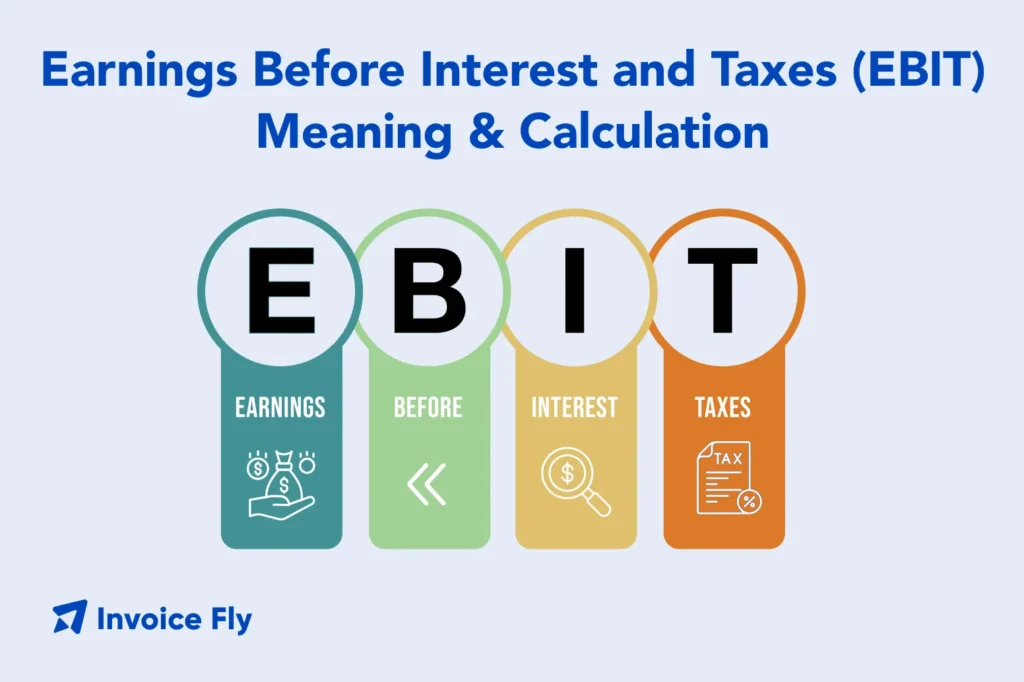
Table of Contents
- What Is EBIT?
- Why EBIT Matters in Practice
- EBIT Formula
- How to Calculate EBIT (Three Practical Approaches)
- EBIT vs EBITDA vs Net Income
- EBIT vs Operating Income
- Limitations of EBIT
- EBIT Margin: Interpreting Performance Over Time
- Example of EBIT
- EBIT vs Cash Flow
- How Lenders and Investors Use EBIT
- How Can a Business Improve EBIT?
- Calculate your profit margin with our free calculator
- Profit Margin Calculator
- Total Summary
- Ready to Get a Clearer Picture of Your Operating Performance?
- Earnings before interest and taxes FAQs
What Is EBIT?

EBIT stands for earnings before interest and taxes. It measures how much profit a business generates from its operations before financing costs and income taxes are applied.
Because interest and tax expenses are excluded, earnings before interest and taxes (EBIT) isn’t governed by standardized accounting rules, which means inconsistent presentation can make comparisons misleading when assumptions change across periods or companies.
EBIT is usually derived from the income statement, but interpreting it correctly requires viewing it in context. Comparing operating results alongside the balance sheet helps ensure strong EBIT isn’t mistaken for overall financial strength or liquidity.
Why EBIT Matters in Practice
Earnings before interest and taxes matters because financing and taxes can hide what’s really happening operationally.
Two businesses can generate similar revenue and incur similar costs, yet report very different net income simply because one carries more debt or operates under a different tax structure. EBIT removes those variables, making operational performance easier to compare.
For business owners, EBIT helps answer questions like:
- Is profitability improving because operations are more efficient, or because costs are being deferred?
- Would the business still perform well if financing terms changed?
- Are margins improving for the right reasons?
For lenders and investors, EBIT provides a clearer signal of operating strength before interest obligations are considered, which is why it’s commonly used in credit analysis and valuation.
EBIT Formula
At its core, the EBIT formula is simple:
EBIT = Revenue – Operating Expenses
Operating expenses typically include:
- Cost of goods sold
- Payroll and operating overhead
- Selling, general, and administrative expenses
Where businesses often run into trouble is deciding which costs truly belong in operating expenses. Misclassifying items (such as treating non-operating costs as operational) can inflate or distort EBIT. That’s why clarity around what qualifies as an expense matters when EBIT is used to evaluate performance.
Before we go further: evaluating operating performance depends on having clean, consistent revenue data. Invoice Fly’s online payments solution helps businesses collect payments faster and reduce delays, which makes profit metrics like EBIT easier to review without second-guessing whether revenue numbers are complete.
How to Calculate EBIT (Three Practical Approaches)

1. Top-Down Method
This approach starts with total revenue and subtracts operating costs to arrive at EBIT.
It’s commonly used by business owners reviewing internal performance, because it mirrors how decisions are made, looking at what the business earns and what it costs to operate. The method works best when expenses are categorized consistently from period to period.
2. From Operating Income
In many income statements, EBIT and operating income appear to be the same. Often they are, but not always.
Differences usually arise when certain costs are excluded, grouped differently, or treated as one-time items. EBIT comparisons tend to break down when expenses shift between operating and non-operating categories across reporting periods. Applying consistent financial accounting practices helps ensure changes in EBIT reflect real performance changes, not bookkeeping differences.
3. Bottom-Up Method
This method starts with net income and adds back:
- Interest expense
- Income taxes
It’s often used when EBIT isn’t listed explicitly and needs to be reconstructed for analysis or comparison. Accuracy here depends on whether interest and tax items are clearly separated in the records.
EBIT vs EBITDA vs Net Income
EBIT is often discussed alongside other profitability metrics, but each serves a different purpose.
| Metric | What it shows |
|---|---|
| EBIT | Operating profit before interest and taxes |
| EBITDA | EBIT plus depreciation and amortization |
| Net Income | Profit after all expenses, interest, and taxes |
EBIT focuses on operational efficiency.
EBITDA removes certain non-cash costs to highlight earnings before capital intensity.
Net income shows what ultimately remains after all obligations.
Understanding the difference helps prevent overstating performance or overlooking structural issues.
EBIT vs Operating Income

EBIT and operating income are sometimes used interchangeably, but they’re not always identical.
Operating income may exclude restructuring costs, non-recurring expenses, or non-core activities. EBIT is typically broader and more standardized, which is why it’s commonly used in financial analysis and valuation models.
When comparing performance across periods or companies, EBIT often provides a more consistent baseline.
Limitations of EBIT
EBIT is useful, but it has clear limits.
EBIT does not show:
- Cash availability
- Capital spending requirements
- Debt repayment timing
A business can report strong EBIT while still struggling to cover payroll or vendor bills if customers pay slowly. Reviewing EBIT alongside operational data and business reports helps distinguish between profitability on paper and financial reality.
EBIT Margin: Interpreting Performance Over Time
EBIT margin expresses operating profit as a percentage of revenue:
EBIT Margin = EBIT ÷ Revenue
Rather than focusing on whether a margin is “good” in isolation, it’s more useful to track how it changes over time. Improving margins often signal better pricing discipline or cost control, while declining margins can point to inefficiencies or rising expenses.
Margin trends become especially important as a business grows. Expanding revenue can hide operational strain if costs rise faster than earnings, which is why sustained improvement in EBIT margins is often used to judge whether growth is scalable or simply increasing workload without improving profitability.
Using a profit margin calculator makes it easier to see whether revenue growth is actually strengthening operations or simply increasing volume.
Example of EBIT
Consider a business with:
- $1,000,000 in revenue
- $750,000 in operating expenses
EBIT equals $250,000.
This indicates the business generates $250,000 from operations before interest and taxes. Whether that turns into strong net income depends on financing costs, tax obligations, and cash management.
Accurate examples depend on consistent transaction tracking. Reviewing how journal entries record expenses helps ensure EBIT reflects actual operating activity rather than timing differences.
EBIT vs Cash Flow
EBIT measures profitability. Cash flow measures timing.
A business can show strong EBIT but still face cash shortages if invoices aren’t paid promptly. Conversely, cash flow may appear healthy temporarily even if EBIT is weak due to delayed expenses.
Understanding this distinction prevents businesses from assuming operating strength automatically means financial flexibility. Identifying cash flow problems early helps keep EBIT from being misinterpreted.
How Lenders and Investors Use EBIT

Lenders often rely on EBIT to assess whether a business can support debt, since interest payments are excluded from the metric. This allows them to evaluate operating performance without being influenced by how much the business already owes or what its borrowing costs look like.
For example, two companies with similar revenue and operating expenses may report very different net income if one carries more debt. Looking at EBIT helps lenders focus on whether the underlying operations generate enough earnings to comfortably cover future interest obligations, regardless of current financing structure.
Investors use EBIT to:
- Compare operating efficiency across companies with different capital structures
- Normalize earnings before valuation
- Evaluate performance independent of tax strategy or debt levels
In practice, EBIT is most useful when comparing businesses within the same industry or tracking whether operational performance is improving over time. In both lending and investing decisions, EBIT provides a clearer view of how the business performs before external factors like financing and taxes are applied.
How Can a Business Improve EBIT?
Improving EBIT usually comes from operational changes rather than accounting adjustments.
Common approaches include:
- Adjusting pricing to reflect true costs
- Reducing inefficient operating expenses
- Improving productivity and processes
- Phasing out unprofitable offerings
These decisions are easier to make with clear visibility. Regularly reviewing business reports helps identify where margins are improving and where costs are eroding operating performance.
Calculate your profit margin with our free calculator
While EBIT measures overall operating earnings, understanding the profit you make on individual jobs can also help improve business profitability. Our free profit margin calculator lets you enter your labor costs, overhead expenses, material costs, and service price to calculate your total costs, profit, markup, and profit margin.
Profit Margin Calculator
Number of workers needed for the job
Total hours required to complete the job
Average hourly rate per worker
Total monthly business expenses (rent, utilities, insurance)
Total working hours per month
Total hours needed to complete this specific job
Total cost of all supplies used for the job
The final price you will charge your client

Total Summary
Knowing your margins can help you spot underpriced jobs and make more informed pricing decisions.
The hidden cost of invisible admin work tops $25,000 a year per professional. InvoiceFly centralizes quotes, invoicing, and payments to help users recover up to 400 hours a year. (Source: InvoiceFly Salary & Time Gap Report 2026; wages: Bureau of Labor Statistics OES.)
Ready to Get a Clearer Picture of Your Operating Performance?
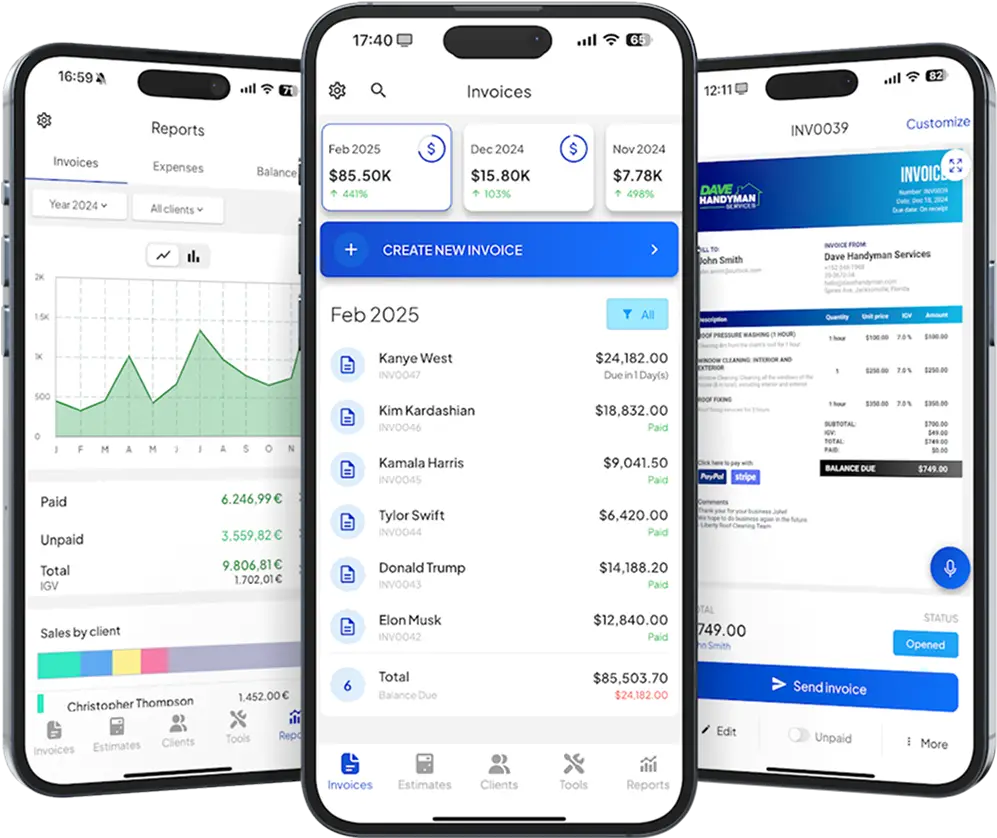
EBIT helps businesses evaluate how well their operations perform without the noise of financing and taxes. When paired with accurate records and timely payments, it becomes a reliable tool for decision-making. Invoice Fly helps freelancers and small business owners manage invoices, accept faster payments through online payments, and track financial performance with business reports, making it easier to analyze metrics like EBIT as your business grows. Try our free Invoice Generator today.