
Invoice Terms and Conditions: Everything You Need to Know
Table of Contents
- What Are Invoice Terms and Conditions?
- How to Write Invoice Terms and Conditions
- Send Invoices in Seconds
- Types of Invoice T&Cs
- Fundamental Elements in Payment Terms and Conditions
- Important Payment Terms You Need to Know
- Invoice Terms and Conditions Example (Template)
- Common Invoicing Mistakes to Avoid
- Ready to Standardize Your Invoice Terms and Conditions?
- Send Invoices in Seconds
- FAQs
Invoice terms and conditions define how and when a seller expects payment. They create a clear, legally binding framework that outlines payment deadlines, accepted payment methods, penalties for late payment, and dispute procedures. For small business owners and service entrepreneurs, structured invoice terms and conditions reduce payment delays and protect cash flow.
Clear terms and conditions for invoice documents specify the invoice date, payment due date (such as Net 30), total amount owed, accepted payment methods, currency, and late fee policies. When written correctly, they prevent misunderstandings and improve accounts receivable performance.
This guide will cover:
- What invoice terms and conditions are
- How to write them properly
- Types of invoice T&Cs
- Key elements every invoice should include
- Important payment terms explained
- Invoice terms and conditions examples and templates
- Common invoicing mistakes to avoid
What Are Invoice Terms and Conditions?
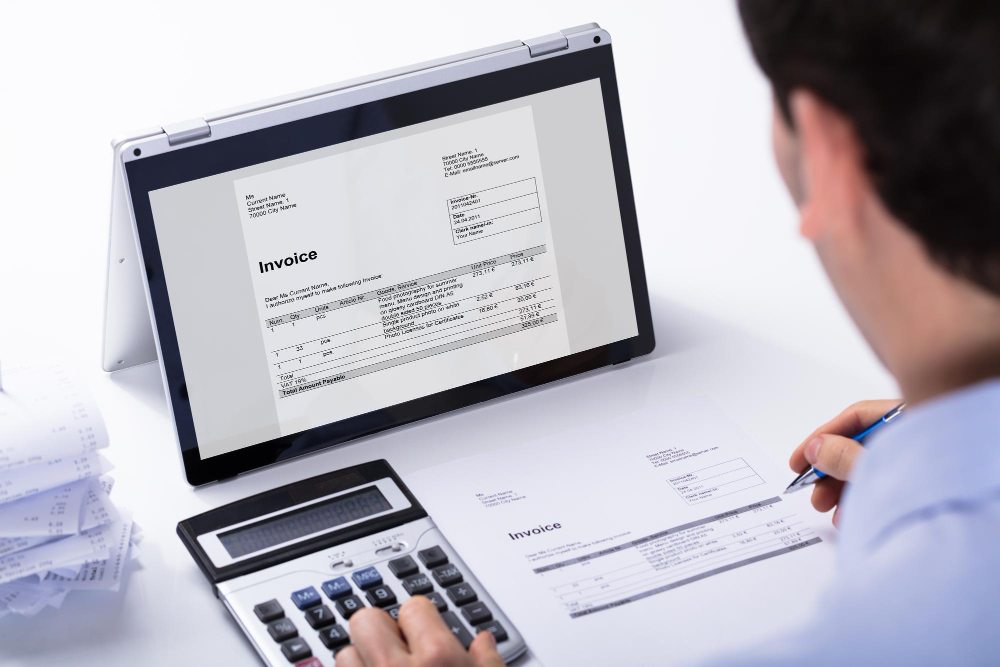
Invoice terms and conditions are the written rules attached to an invoice that explain:
- When payment is due
- How payment must be made
- What penalties apply if payment is late
- How disputes are handled
- Which governing laws apply
They form part of your billing agreement. When aligned with your proposal or contract, they support your legal right to collect payment. Well-structured invoice terms and conditions create clarity before disputes arise.
If you’re new to billing, reviewing invoice guidelines helps you understand how payment terms integrate into a complete financial document.
According to the Federal Acquisition Regulation’s Prompt Payment guidelines, standardized payment timelines such as Net terms are widely recognized in commercial transactions.
How to Write Invoice Terms and Conditions
Effective invoice terms are clear, specific, and consistent across all client documents.
1. Clearly Define the Payment Timeline
Avoid vague language. Instead of stating “Net 30,” write:
“Payment due within 30 days of invoice date. Due on April 30, 2026.”
If you’re unsure how to calculate payment deadlines correctly, review how to set an accurate invoice due date.
2. Align With Your Proposal or Contract
Your invoice must match your original agreement. Understanding the difference between a quote vs invoice prevents billing inconsistencies.
If you issued a preliminary document before billing, you may also want to review what is a proforma invoice to ensure your payment expectations remain aligned.
3. Include All Professional Invoice Elements
Your invoice with terms and conditions should also contain all required professional invoice elements, including:
- Invoice number
- Invoice date
- Seller and customer information
- Itemized charges
- Total amount
- Payment instructions
If you need a structured walkthrough, see how to write an invoice.
4. Use Standardized Templates
Instead of rewriting payment language every time, build standardized invoice template terms and conditions into your billing system. Structured invoice templates allow you to apply consistent terms across every client.
For businesses still drafting invoices manually, using a Google Docs invoice template can help maintain formatting consistency.
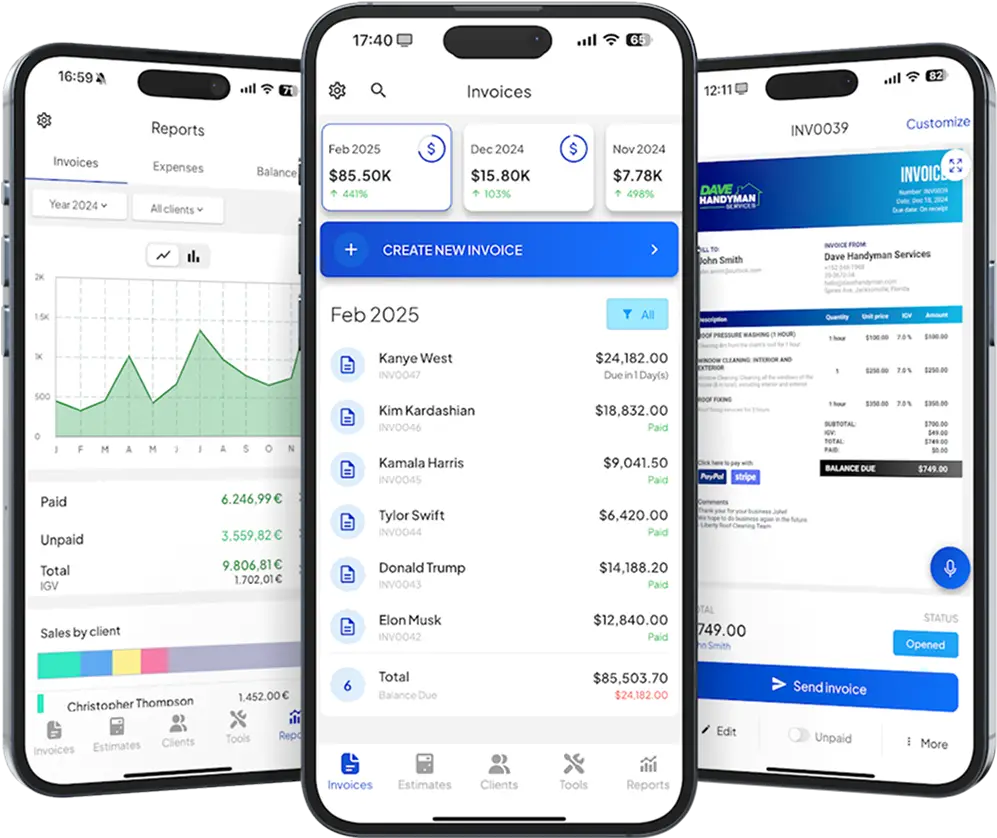
If you manage multiple clients, professional invoicing software helps automate tracking and reduce manual entry mistakes.
Types of Invoice T&Cs

Different industries use different payment terms and conditions for invoice documents depending on risk and cash flow needs.
Standard Net Terms
Net terms define how many calendar days the client has to pay.
Common examples include:
If you’re deciding between structures, comparing Net 30 vs Net 60 payment terms helps you evaluate cash flow impact and risk exposure.
Shorter net periods improve liquidity. Longer ones increase accounts receivable exposure.
Early Payment Discounts
Example: 2/10 Net 30
A 2% discount applies if paid within 10 days. Otherwise, the full amount is due within 30 days.
Early payment discounts:
- Encourage faster payment
- Reduce collection follow-ups
- Improve working capital
Calendar-Based Terms
Instead of “Net” structures, some businesses use fixed dates:
“Payment due December 31, 2026.”
This works well for subscription services or recurring contracts. Companies issuing recurring invoices may rely on periodic invoices to standardize billing cycles.
Advance Payment Terms (PIA)
Payment in Advance requires clients to pay before services begin. Common in:
- Custom consulting
- Construction deposits
- Large design projects
Delivery-Based Terms (COD)
Cash on Delivery requires payment upon receipt of goods. Often used in retail and wholesale distribution.
Fundamental Elements in Payment Terms and Conditions

Every invoice terms and conditions template should include the following components.
Payment Methods
Clearly state accepted payment methods, including ACH, credit card, check, or online portals. Proper tracking through structured invoicing payments reduces accounting errors.
Payment Due Date
Always display the exact due date. Do not rely on the customer to calculate it.
Late Fee Structure
Outline percentage interest or flat penalties for overdue balances. Review best practices for invoice late fees before implementing charges.
Itemization
Clearly list services using structured line items so clients understand charges.
For more detail, review the meaning of an itemized bill.
Invoice Timing
Sending invoices promptly affects payment speed. Learn when to send invoices to avoid unnecessary delays.
Important Payment Terms You Need to Know
Here are commonly used payment of invoice terms and conditions:
| Term | Meaning |
| Due on Receipt | Payment required immediately |
| Net 7 | Full payment due within 7 days |
| Net 15 | Payment due within 15 days |
| Net 30 | Payment due within 30 days |
| Net 60 | Payment due within 60 days |
| 2/10 Net 30 | 2% discount if paid within 10 days |
Choosing the right structure depends on:
- Industry standards
- Client payment history
- Contract size
- Your available cash reserves
Understanding the difference between an invoice vs bill and an invoice vs receipt also ensures proper documentation across your accounting workflow.
Invoice Terms and Conditions Example (Template)
Here is a small business invoice terms and conditions sample:
“Payment is due within 30 days of the invoice date (Due: April 30, 2026). A late fee of 1.5% per month applies to overdue balances. Accepted payment methods include ACH transfer, credit card, or check. Any disputes must be submitted in writing within 7 days of receipt.”
If you want ready-to-use designs that include invoice template terms and conditions sections, explore our free customizable invoice templates.
For a complete foundational refresher, revisit what is an invoice.
Common Invoicing Mistakes to Avoid
Even experienced business owners make preventable errors.
Common invoicing mistakes include:
- Not listing an exact due date
- Omitting late fee clauses
- Inconsistent payment language
- Sending invoices late
- Poor follow-up procedures
Ready to Standardize Your Invoice Terms and Conditions?
Strong invoice terms and conditions protect revenue, reduce disputes, and improve professionalism. Standardizing your terms ensures every invoice follows the same enforceable structure and reduces administrative workload.
If you want to automate due date calculations, track accounts receivable in real time, and apply consistent payment terms across every client, Invoice Fly’s professional invoicing software helps you manage invoice terms and conditions efficiently.