
Roofer Estimate Guide: How to Price & Bid Roofing Jobs
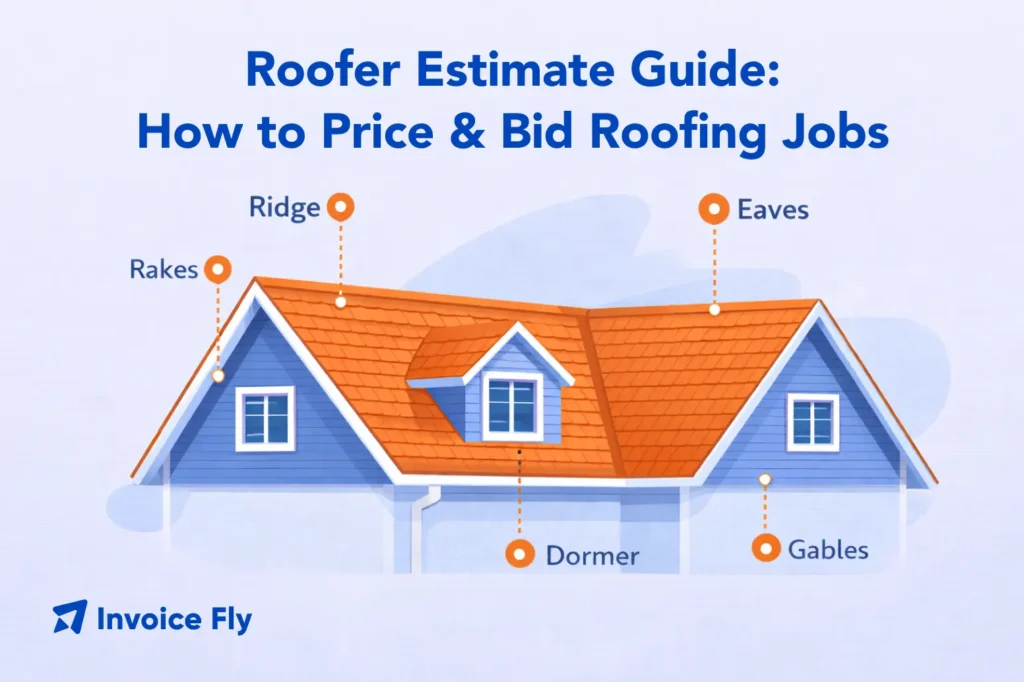
Table of Contents
- Step 1: Do Your Roofing Pre-Check
- Step 2: Measure the Roof
- Step 3: Estimate Roofing Material Costs
- Step 4: Estimate Labor & Rental Costs
- Step 5: Account for Overhead & Profit Margin
- Step 6: Write the Roofing Estimate
- Step 7: Deliver the Roofer Estimate
- Benefits of a Professional Roofer Estimate
- Get Your Roofing Estimates Out Faster (and More Accurate)
- Roofer Estimate FAQs
A roofer estimate is a detailed document that outlines the scope, cost, materials, timeline, and terms of a roofing project before work begins. It helps contractors clearly present pricing, avoid misunderstandings, and protect their profit margins. Whether you’re preparing a roof repair estimate, roof replacement estimate, or a full commercial bid, accuracy is critical to winning jobs and staying profitable.
This guide will cover:
- How to estimate a roofing job step by step
- How to calculate materials, labor, and overhead costs
- How to write a professional roofing estimate that wins bids
Let’s get into it.
Step 1: Do Your Roofing Pre-Check

Inspect the Current Roof
Before you start pricing to create a roofer estimate, you need a full understanding of the roof’s condition. A detailed inspection prevents underestimating costs and helps you identify potential complications early.
Start by evaluating:
- The condition of gutters and drainage systems
- How many layers of shingles are already installed
- The condition of flashing, vents, chimneys, and skylights
- Any excess debris that needs removal beyond shingles
- Obstacles like solar panels or satellite dishes that could extend labor time
If you’re unsure what to look for, this guide to roofing inspection outlines the key elements contractors should assess before building a roofer estimate.
Address Building Codes
Building codes can directly impact your roofer estimate by requiring specific materials or installation methods.
Common requirements include:
- Ice and water shield placement
- Ventilation standards
- Underlayment specifications
- Structural compliance
You should always confirm requirements with your local authority before finalizing your roofing estimate. If you’re building or scaling your business, understanding how to start a roofing company helps ensure you’re compliant from day one.
Step 2: Measure the Roof
Accurate measurements are the foundation of every roofing estimate. Even small errors can lead to significant pricing issues.
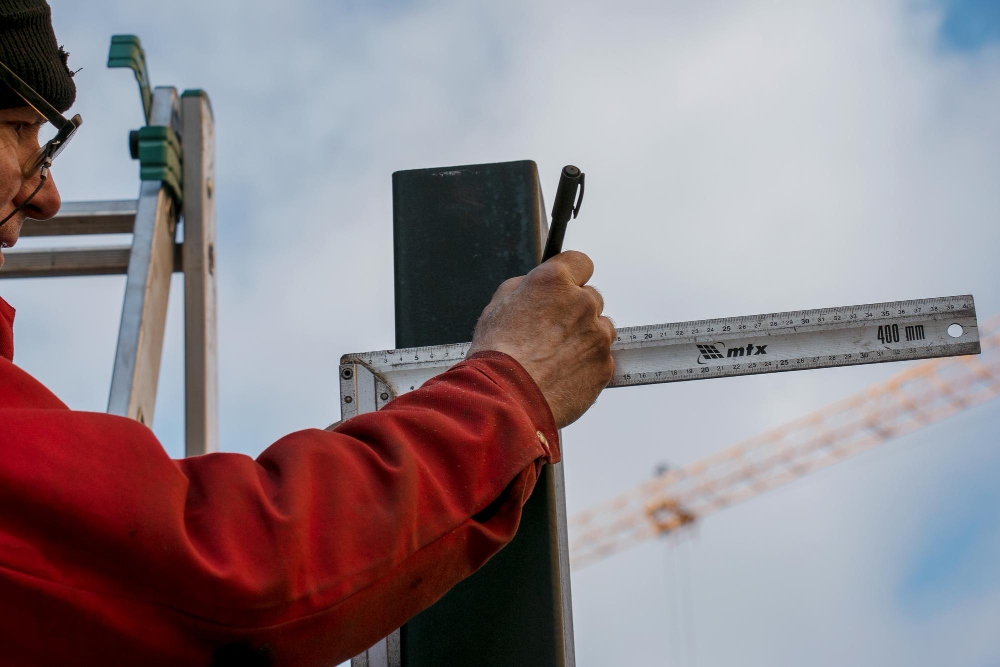
Start by measuring each roof section individually. Break complex roofs into simple shapes like rectangles and triangles, then calculate total square footage. Divide that number by 100 to determine roofing squares.
For example, a 2,000 sq. ft. roof equals 20 squares. Add:
- 10% waste for simple roofs
- 15–20% for complex designs with multiple angles
Roof pitch also affects cost. A steeper roof increases both material usage and labor time. You can benchmark your pricing using this guide on how much a new roof costs.
Before we go any further:
Managing your estimating process becomes much easier when your invoicing and quoting system is consistent from the start. Using an invoice maker helps you create accurate, professional documents that align with your pricing and improve client trust.
Step 3: Estimate Roofing Material Costs
Tips for Estimating Shingle Costs
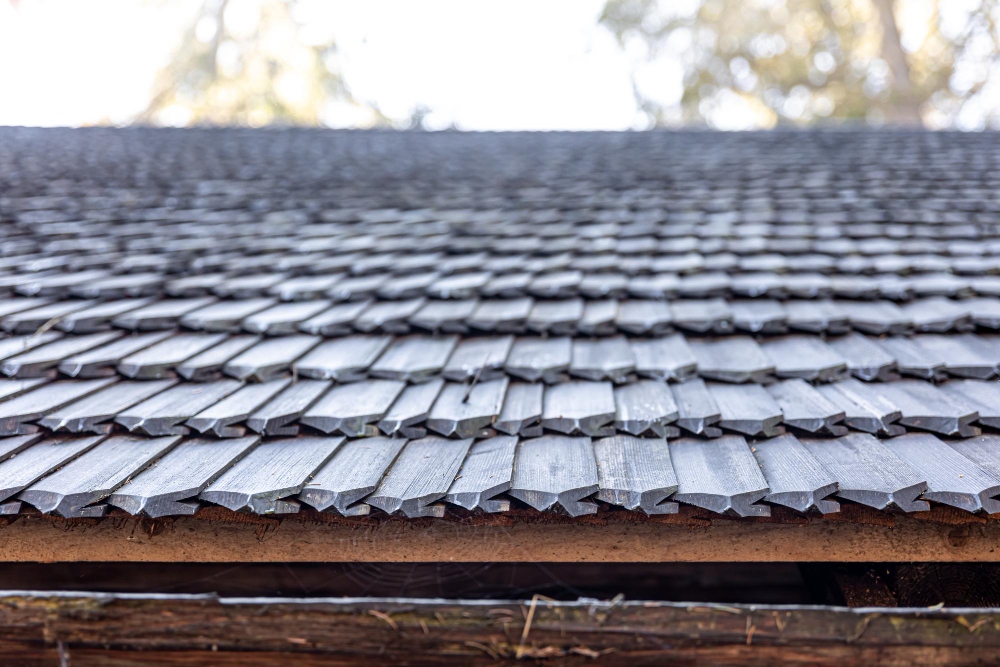
Shingles are usually the largest material expense. Multiply cost per square by total squares, including waste.
Tips for Estimating Nail Costs
Nails are often underestimated. Factor in:
- Roof size
- Material type
- Installation method
Tips for Estimating Flashing Costs
Flashing is required around chimneys, vents, and edges. Costs vary depending on material type and roof complexity.
Tips for Estimating Vent Costs
Ventilation components such as ridge vents or box vents must meet building code requirements and should always be included in your estimate.
Often “Underestimated” Materials
Many contractors lose profit by missing smaller components. Make sure to include:
- Hip and ridge caps
- Starter shingles
- Underlayment
- Ice and water shield
Having the right equipment also improves efficiency—reviewing essential roofing tools ensures nothing is overlooked. Offering a range of roofing services may also influence your material selection.
Step 4: Estimate Labor & Rental Costs
Estimating Labor Costs
Labor costs depend on job size, complexity, and crew experience.
To calculate:
- Calculate necessary labor hours
Estimate how long the job will take based on size and difficulty - Find the hourly labor wage
Rates typically range from $45–$75 per hour depending on location - Calculate total labor cost
Multiply hours by wage and number of workers
For example, a 3-person crew working two days at $50/hour may cost around $2,400.
According to the U.S. Bureau of Labor Statistics, wages vary by region, so adjust accordingly.
Also include:
- Equipment rentals
- Tear-off and disposal costs
- Safety gear
Using systems like roofing CRM software helps track job performance and improve estimating accuracy over time.
Creating estimates manually can slow down your workflow. Using a free estimate generator helps you build detailed, professional roofing estimates quickly and present them clearly to clients.
Step 5: Account for Overhead & Profit Margin
Determining Overhead
Overhead includes ongoing business expenses such as:
- Insurance
- Marketing
- Fuel
- Office costs
Understanding your expenses through resources like roofing insurance ensures nothing is missed.
Calculating Roofing Profit Margin
After calculating total costs, add:
- 10–15% for overhead
- A profit margin based on your business goals
You should also follow tax guidelines—information from the IRS explains how to manage income and expenses correctly.
If you’re refining pricing strategies, learning how to bid a roofing job helps you stay competitive.
Step 6: Write the Roofing Estimate
What to Include in Your Roofing Estimate
Your estimate should clearly outline:
- A detailed description of the work
- Project timeline
- Transparent pricing breakdown
- Material costs
- Payment details
- Disclaimer for unforeseen issues
Clear, itemized estimates reduce disputes and improve client confidence.
Roofing Estimate Templates
Using a structured roofing invoice template ensures consistency across all your estimates.
Step 7: Deliver the Roofer Estimate

A Clear Subject Line
Use a direct subject line that clearly identifies the estimate.
A Friendly Intro
Start with a short, professional message that thanks the client.
A Description of the Project
Summarize the work so the client understands the scope.
Next Steps
Clearly explain what the client should do next, such as approving the estimate or making a deposit.
Using roofing software helps you send, track, and manage estimates efficiently. Improving your outreach with roofing marketing strategies can also increase the number of jobs you bid on.
Benefits of a Professional Roofer Estimate
A structured roofing estimate helps you:
- Improve pricing accuracy
- Build trust with clients
- Streamline your workflow
- Maintain consistent profit margins
As your business grows, combining estimating with systems like how to start a roofing company supports long-term success.
Get Your Roofing Estimates Out Faster (and More Accurate)
If you’re still building estimates manually, it’s easy to miss costs or spend too long putting quotes together. Using the right tools can help you create clear, itemized estimates in minutes—so you can respond to leads faster and win more jobs.With Invoice Fly’s Roofing Software, you can build professional estimates, convert them into invoices, and keep everything organized in one place. It’s designed for contractors who want a simple way to handle pricing without slowing down their work.