Snow Removal Contractors: Roles, Risks & Best Practices
Table of Contents
- What does a snow removal contractor actually do?
- Types of snow removal contractors you can become
- How to position yourself as the right snow removal contractor
- Contracts and service expectations for snow removal contractors
- Working with commercial snow removal clients
- Tools, technology, and software for new snow removal contractors
- How to get started as a snow removal contractor this winter
- Keep commercial snow removal contracts and routes on track
- FAQs
A snow removal contractor is a service professional who clears snow and ice from driveways, parking lots, sidewalks, roofs, and other high-traffic areas to keep properties safe and accessible during winter weather.
Depending on whether they focus on residential or commercial snow removal, contractors may plow lots with trucks, run snow blowers and skid steers, apply de-icing materials, and respond on call whenever snowfall reaches the trigger depths set in their contracts.
Snow removal contractors play a major role during winter storms. Residential clients depend on them to keep driveways and walkways accessible, while commercial properties rely on fast snow clearing to reduce slip hazards, maintain operations, and avoid liability issues.
In many regions across the USA and Canada, snow removal becomes a reliable seasonal business opportunity for landscapers, lawn care companies, and independent contractors looking to generate winter revenue.
Whether you are considering becoming a snow removal contractor or hiring one for winter maintenance, understanding how the industry works helps you make better business decisions.
What does a snow removal contractor actually do?
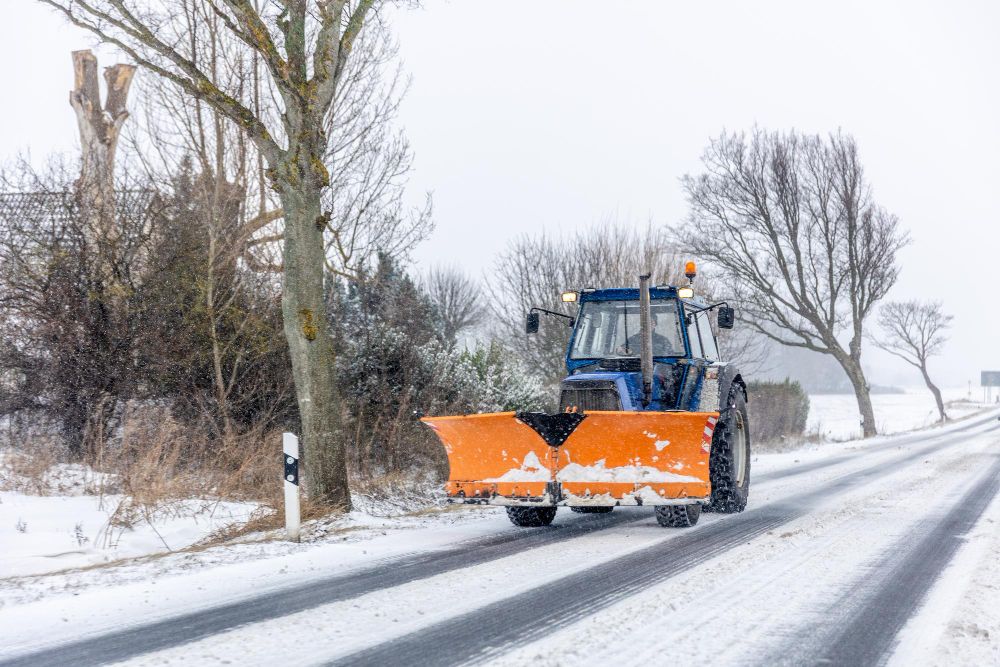
Snow removal contractors clear snow and ice from residential, commercial, and industrial properties during winter weather events. Their goal is to keep roads, sidewalks, parking lots, roofs, and entrances safe and accessible while reducing accident risks.
Most snow removal contractors provide services such as:
- Snow plowing
- Sidewalk clearing
- Salting and de-icing
- Snow blowing
- Roof snow removal
- Ice management
- Emergency snow response
Contractors often operate overnight or early in the morning because many commercial clients require snow removal before businesses open.
For example, a commercial snow removal contractor servicing shopping centers may begin plowing parking lots at 2 a.m. to ensure customers can safely access the property by opening hours.

Residential snow removal contractors typically focus on:
- Driveways
- Walkways
- Sidewalks
- Small residential roads
Commercial snow removal contractors often manage:
- Parking lots
- Industrial facilities
- Retail centers
- Apartment complexes
- Office buildings
Many landscaping companies expand into snow removal during winter to maintain year-round income streams. Businesses exploring seasonal pricing structures can also review snow removal cost to understand how contractors price residential and commercial services.
Residential vs commercial snow removal contractors
Residential snow removal contractors usually handle smaller properties with shorter response times and simpler equipment needs.
Common residential services include:
- Driveway plowing
- Sidewalk shoveling
- Snow blowing
- Salting walkways
For example, a contractor may service 30–50 residential homes along one planned route during a snowstorm.
Commercial snow removal contractors handle larger and more demanding properties.
This type of work may involve:
- Parking lot plowing
- Multi-acre facilities
- Sidewalk management
- Ice control
- Loader and skid steer work
- Overnight response schedules
Commercial contracts often generate higher revenue, but they also involve stricter insurance requirements, longer hours, and greater liability exposure.
Daily responsibilities of a snow removal contractor in peak season
Snow removal contractors often work unpredictable schedules during winter storms.
Daily responsibilities may include:
- Monitoring weather forecasts
- Dispatching crews
- Operating plow trucks
- Refueling equipment
- Applying salt and de-icing materials
- Communicating with clients
- Managing route schedules
For example, a contractor managing several commercial properties may coordinate multiple plow trucks, skid steers, and sidewalk crews throughout a 12-hour snow event.
Response speed is especially important because delayed service can create safety hazards and contract disputes.
Is becoming a snow removal contractor right for you?
Snow removal can be profitable, but it also requires physical endurance, equipment investment, and flexible schedules.
This type of business may fit contractors who:
- Already own landscaping equipment
- Want winter income
- Can work overnight shifts
- Enjoy equipment operation
- Can manage weather-driven schedules
However, snow removal also involves risks such as:
- Equipment breakdowns
- Liability claims
- Long hours
- Severe weather conditions
- Seasonal revenue fluctuations
Contractors exploring winter service expansion may also benefit from reviewing snow plowing services before investing in larger equipment.
Need a better way to organize snow removal estimates, invoices, and service schedules? Speed up your workflow with our invoice maker and keep winter jobs organized from dispatch through final payment.
Types of snow removal contractors you can become
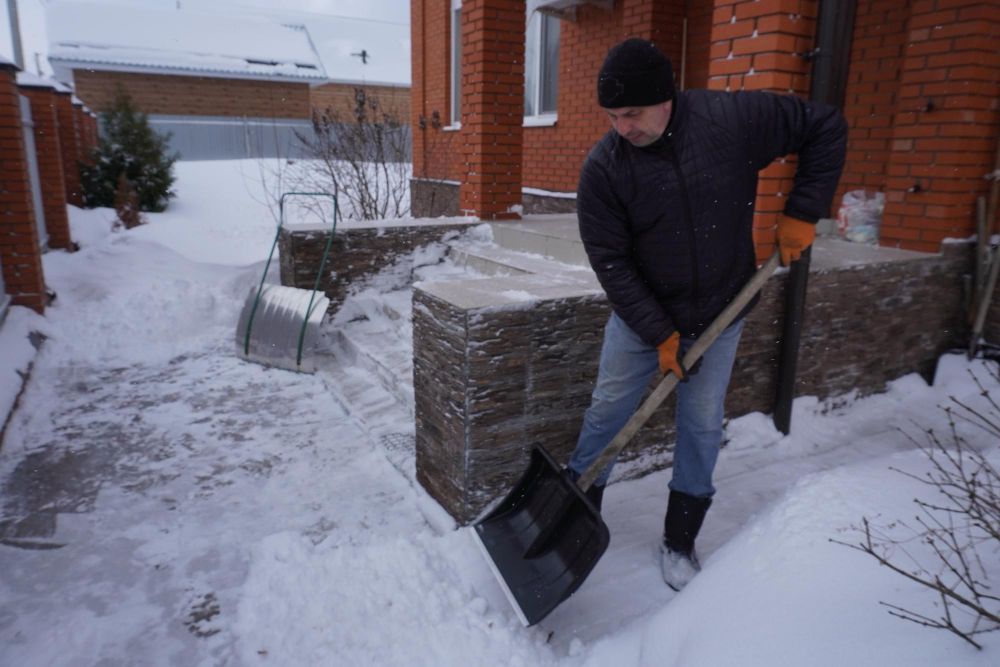
Snow removal contractors can specialize in different property types and service categories depending on their equipment, budget, and business goals.
Residential snow removal contractor: driveways and walkways
Residential snow removal contractors focus on homeowners and small residential communities.
Services often include:
- Driveway plowing
- Walkway shoveling
- Sidewalk clearing
- Salting and de-icing
Residential work usually requires:
- Pickup trucks with plows
- Snow blowers
- Shovels
- Salt spreaders
For example, a contractor operating in suburban neighborhoods may complete dozens of residential properties along preplanned routes during a snowfall.
Residential contracts may involve:
- Per-visit pricing
- Seasonal contracts
- Trigger-depth agreements
Commercial snow removal contractor: parking lots and facilities
Commercial snow removal contractors manage larger and more complex properties.
These clients may include:
- Shopping centers
- Warehouses
- Apartment complexes
- Hospitals
- Office buildings
Commercial snow removal jobs often require:
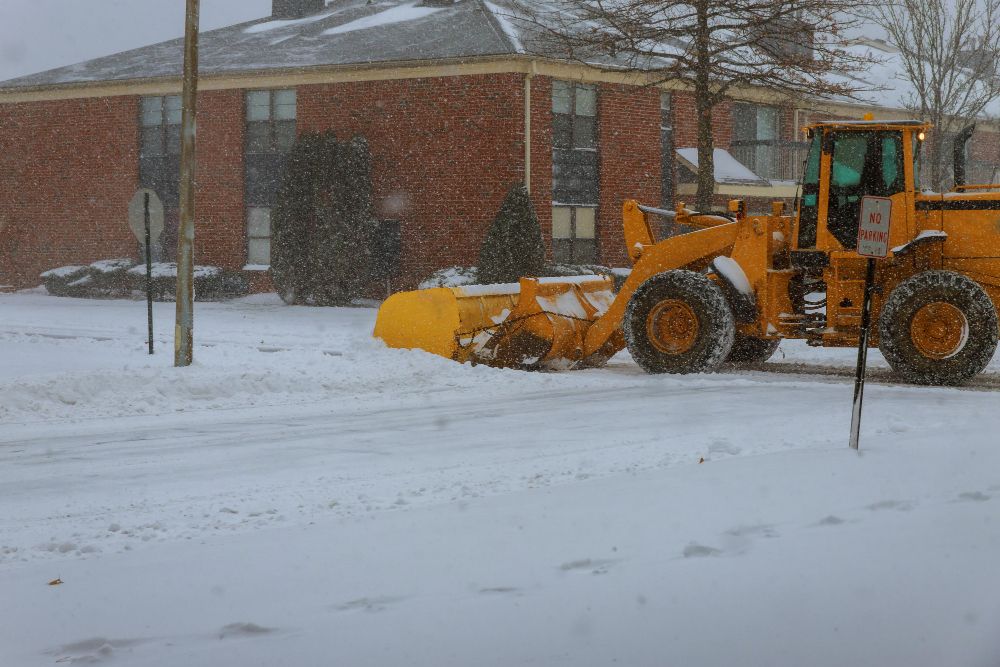
- Plow trucks
- Skid steers
- Loaders
- Salt spreaders
- Sidewalk crews
For example, clearing a large retail parking lot may require multiple trucks working simultaneously to meet strict response deadlines.
Commercial snow removal contracts typically involve higher insurance requirements and detailed service agreements.
Roof snow removal contractor and safety considerations
Snow removal contractors working on roofs clear heavy snow accumulation from roofs to prevent structural damage and ice dams.
Roof snow removal often involves:
- Safety harnesses
- Roof rakes
- Specialized training
- Fall protection equipment
According to OSHA, heavy roof snow loads can create serious collapse and fall hazards if snow is not removed safely.
Roof snow removal contractors must carefully manage worker safety because icy conditions increase fall risks significantly.
How to position yourself as the right snow removal contractor
Customers often compare several snow removal contractors before choosing a provider.
Questions to ask yourself before starting a snow removal contracting business
Before starting, contractors should evaluate:
- Available equipment
- Service area size
- Budget
- Insurance requirements
- Staffing needs
- Weather risks
For example, operating commercial snow routes may require larger trucks, higher liability coverage, and backup equipment.
Contractors should also determine whether they want to focus on residential work, commercial work, or both.
How clients evaluate snow removal contractors
Clients usually evaluate snow removal contractors based on:
- Reliability
- Response speed
- Equipment quality
- Insurance coverage
- Customer reviews
- Communication
Commercial property managers often prioritize contractors who can provide fast overnight response during major snow events.
Residential customers may focus more heavily on pricing and reliability.
Standing out when customers compare multiple snow removal contractors
Snow removal contractors can stand out by offering:
- Clear contracts
- Fast communication
- Reliable dispatch systems
- Professional equipment
- Photo documentation
- GPS tracking
For example, sending before-and-after photos after completing a commercial parking lot improves transparency and customer trust.
Many smaller snow removal businesses begin with ATV plows and light residential routes before expanding into larger commercial contracts. Contractors evaluating equipment options can also review our ATV snow plow guide.
Contracts and service expectations for snow removal contractors
Strong contracts help reduce misunderstandings and liability issues.
What needs to be in a solid snow removal contract
A snow removal contract should clearly explain:
- Service areas
- Trigger depths
- Pricing
- Response times
- Ice management
- Equipment responsibilities
- Liability terms
For example, a commercial contract may specify that snow clearing begins automatically after two inches of snowfall.
Clear contracts help protect both contractors and clients during severe weather events.
Service level expectations: response times, triggers, and priority routes
Most commercial snow contracts define:
- Trigger depth thresholds
- Maximum response times
- Priority properties
- Service frequency
For example, hospitals and medical facilities often receive priority snow removal because accessibility directly impacts safety.
Commercial clients may also require continuous snow management during active storms.
Setting clear expectations with residential and commercial clients
Contractors should communicate:
- Service timing
- Weather delays
- Salt usage
- Parking instructions
- Access requirements
For example, residential customers may need to move parked vehicles before plow service begins.
Clear communication reduces complaints and improves customer retention.
Businesses managing recurring winter jobs can also simplify paperwork using a free invoice generator for snow plowing and seasonal service billing.
Working with commercial snow removal clients
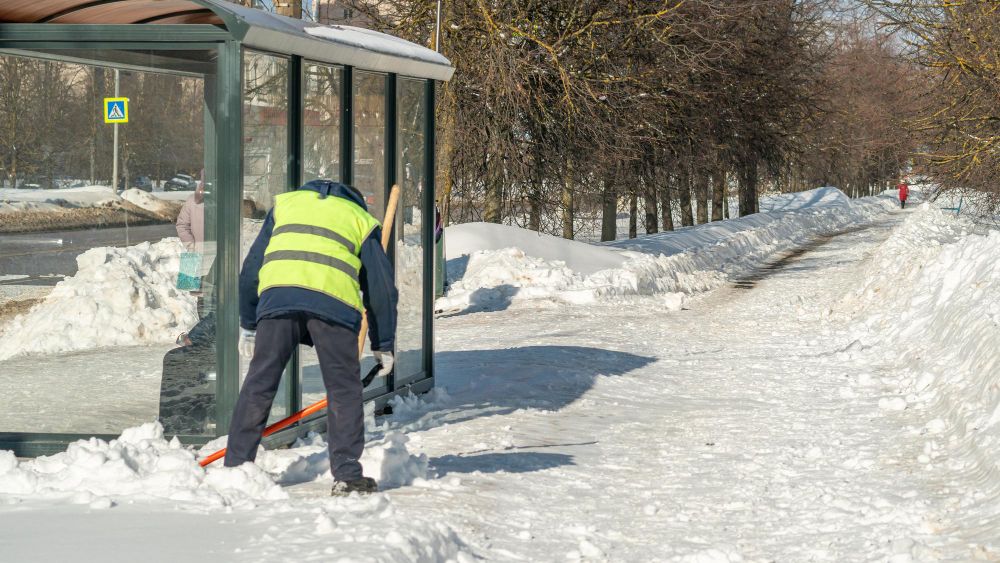
Commercial snow removal can become one of the most profitable parts of a winter maintenance business.
What property managers look for in a commercial snow removal contractor
Property managers often prioritize:
- Reliability
- Insurance coverage
- Fast dispatching
- Equipment capacity
- 24/7 availability
- Detailed contracts
Commercial clients typically expect contractors to respond without being called whenever snowfall reaches contract trigger depths.
Safely handling parking lots, sidewalks, and high-traffic areas
Commercial properties create additional safety risks because of heavy pedestrian and vehicle traffic.
Contractors must carefully manage:
- Ice buildup
- Pedestrian walkways
- Vehicle traffic
- Salt application
- Snow pile placement
Slip-and-fall liability becomes a major concern during winter weather events.
Building long-term commercial relationships
Long-term contracts help stabilize winter revenue.
Commercial clients often renew contracts annually when contractors provide:
- Reliable service
- Clear communication
- Accurate documentation
- Consistent response times
According to the SBA, winter preparedness and operational planning are important for seasonal service businesses handling severe weather conditions.
Tools, technology, and software for new snow removal contractors
The right equipment and systems improve efficiency and profitability.
Essential equipment to start as a snow removal contractor
Most contractors start with:
- Pickup trucks with plows
- Snow blowers
- Salt spreaders
- Shovels
- Ice melt products
Larger commercial operations may also use:
- Skid steers
- Loaders
- Dump trailers
- Sidewalk machines
Equipment costs can vary significantly depending on service size and route complexity.
Using apps and photos to communicate with clients
Many snow removal contractors now use apps for:
- Route tracking
- Dispatching
- Weather alerts
- Client communication
- Photo documentation
Photo verification is especially useful for commercial contracts because it provides proof of completed service during liability disputes.
Businesses managing recurring winter routes can also improve organization using digital scheduling and invoicing systems.
How to get started as a snow removal contractor this winter
Starting a snow removal business requires preparation before the first storm arrives.
Planning ahead before the first storm
Contractors should prepare:
- Route plans
- Equipment maintenance
- Salt inventory
- Client contracts
- Weather monitoring systems
For example, contractors who wait until the first major storm to secure clients often struggle to build efficient routes.
Marketing before winter begins usually improves customer acquisition.
What your first jobs will look like and how to handle them
New contractors often begin with:
- Residential driveways
- Sidewalk clearing
- Small commercial lots
- Local referrals
The first few storms usually help contractors improve timing, routing, and equipment efficiency.
Turning one-off jobs into long-term snow removal contracts
Long-term contracts create more predictable winter income.
Contractors can improve retention by:
- Communicating consistently
- Providing reliable response times
- Offering seasonal pricing
- Following up after storms
Businesses planning long-term winter service growth can also revisit snow removal cost and strengthen pricing strategies before scaling operations.
Keep commercial snow removal contracts and routes on track
Snow removal businesses handle dispatching, route planning, seasonal contracts, invoices, weather tracking, and customer communication during every winter storm. As operations grow, staying organized becomes critical for maintaining response times and client satisfaction.
Using snow plowing services alongside digital scheduling and invoicing systems helps contractors organize recurring winter maintenance jobs more efficiently while improving communication with residential and commercial clients.
Growing teams can also simplify billing workflows using a free invoice generator to create professional invoices quickly for snow plowing, salting, and seasonal snow removal contracts.