Concrete Inspection Explained: Process and Requirements
Table of Contents
- What are concrete inspections?
- How does concrete inspection work?
- Concrete inspection costs
- Types of concrete inspections
- How to prepare for a concrete inspection
- Scheduling a concrete inspection
- What happens if you fail a concrete inspection?
- Most common concrete inspection challenges
- Tips for successful concrete inspections
- Build better concrete projects with thorough inspections
- FAQs
Concrete inspection ensures concrete structures are safe, durable, and built according to design specifications and building codes. Inspections take place before, during, and after concrete is poured to verify reinforcement, workmanship, material quality, and structural integrity. They can include visual inspections, strength testing, and non-destructive methods such as ground penetrating radar (GPR) or ultrasonic testing.
This guide covers:
- What concrete inspections involve
- How the inspection process works
- Typical inspection costs
- Different types of concrete inspections
- How to prepare for an inspection
- Common inspection challenges
What are concrete inspections?
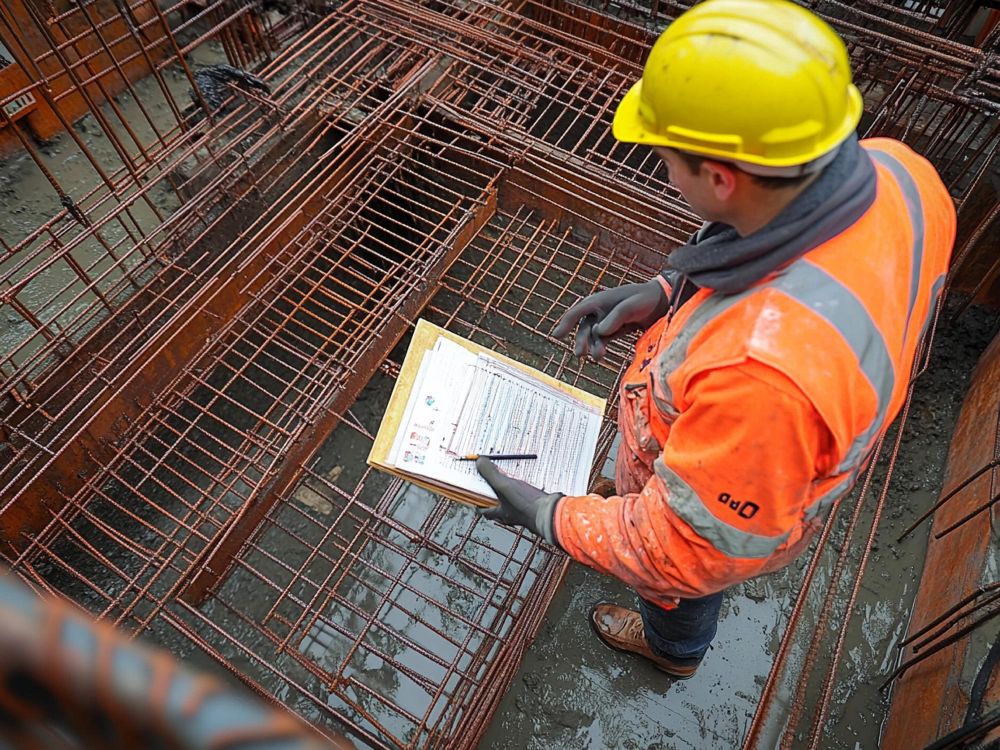
Concrete inspections are quality control checks carried out throughout a construction project to confirm that concrete meets design specifications, safety requirements, and applicable building codes. They help identify problems early, reducing the risk of structural failures, expensive repairs, or project delays.
Depending on the stage of construction, an inspection may involve:
- Checking reinforcement before pouring
- Inspecting formwork and subgrade
- Testing fresh concrete
- Examining hardened concrete for defects
- Performing non-destructive testing
For commercial projects and many permitted builds, inspections are often completed by certified special inspectors. The International Building Code (IBC) outlines when special inspections are required for structural concrete work.
If you’re starting your own business, our guide on how to start a concrete business explains everything from licensing and insurance to finding your first clients.

How does concrete inspection work?
Concrete inspections vary depending on the project, but they generally follow the construction process from preparation through to the finished structure.
Pre-pour inspections
Before concrete is poured, inspectors check that everything is ready for placement.
This typically includes:
- Rebar size and spacing
- Formwork alignment and stability
- Subgrade preparation
- Anchor bolts and embedded items
- Plumbing and electrical penetrations
Correcting problems before pouring is significantly easier than making repairs after the concrete has cured.
During the pour
Inspectors monitor the concrete as it’s placed to verify it meets project specifications.
Common checks include:
- Slump testing
- Air content
- Concrete temperature
- Placement methods
- Consolidation and finishing
These tests help confirm the concrete can achieve the required strength and durability.
Post-pour inspections
Once the concrete has cured, inspectors assess the finished structure for defects and overall quality.
They may perform:
- Visual inspections
- Crack assessments
- Surface level checks
- Compressive strength testing
- Non-destructive testing using GPR or ultrasonic equipment
These inspections help identify hidden voids, reinforcement placement, or internal damage without removing sections of concrete.
Concrete inspection costs
The cost of a concrete inspection depends on the type of project, inspection method, location, and whether laboratory testing or specialist equipment is required.
Factors that influence pricing include:
- Residential or commercial project
- Foundation, slab, or structural inspection
- Size of the project
- Laboratory testing
- Non-destructive testing methods
- Local inspection rates
- Testing method
- Travel
- Emergency inspections
- Multiple visits
If your project includes multiple pours or structural elements, scheduling inspections throughout construction can help identify issues before they become expensive repairs.
Requesting quotes from several inspection providers can help you compare services, testing methods, and overall project costs before work begins.
Types of concrete inspections
Different types of concrete inspections are performed throughout a project’s lifecycle. Some focus on preventing issues before concrete is poured, while others evaluate the condition of existing structures.
Concrete foundation inspection
A concrete foundation inspection verifies that the footing, reinforcement, and foundation meet engineering drawings and local building codes before and after the concrete is placed.
Inspectors typically assess:
- Footing dimensions
- Rebar placement and spacing
- Anchor bolt locations
- Moisture barriers
- Signs of settlement or cracking
These inspections help ensure the foundation can safely support the structure above.
Concrete slab inspection
Concrete slab inspections are carried out before the pour to check reinforcement, formwork, and subgrade preparation, then repeated after curing to assess the finished slab.
Inspectors look for issues such as:
- Uneven surfaces
- Shrinkage cracks
- Curling
- Poor finishing
- Inadequate reinforcement cover
For commercial floors and industrial facilities, flatness and levelness may also be measured.
Concrete restoration inspection
Concrete restoration inspections evaluate aging or damaged structures to determine whether repairs are required.
Common problems include:
- Spalling
- Delamination
- Water intrusion
- Rebar corrosion
- Surface deterioration
Inspectors may use non-destructive testing methods to locate hidden damage before recommending repair strategies.
Concrete tank inspections
Concrete tanks used for water, wastewater, or industrial storage require regular inspections to maintain structural integrity and prevent leaks.
These inspections typically assess:
- Cracking
- Joint condition
- Waterproofing systems
- Chemical deterioration
- Structural movement
Routine inspections can extend the lifespan of concrete tanks while reducing maintenance costs.
Non-destructive concrete inspections
Non-destructive testing (NDT) allows inspectors to assess concrete without cutting into or damaging the structure.
Common inspection tools include:
- Ground penetrating radar (GPR)
- Ultrasonic pulse velocity testing
- Schmidt rebound hammer
- Cover meters
- Infrared thermography
- Crack gauges
- Core sampling equipment
These concrete inspection tools help inspectors locate reinforcement, detect voids, identify delamination, and assess internal concrete quality without damaging the structure.
How to prepare for a concrete inspection
Proper preparation helps inspections run smoothly and reduces the likelihood of failed inspections or project delays.
Before your scheduled inspection:
- Complete all work required for that inspection stage.
- Ensure reinforcement matches the approved plans.
- Remove debris from the inspection area.
- Make drawings and permits available.
- Confirm all embedded utilities are installed.
- Ensure safe access for inspectors.
If you’re working as a contractor, maintaining detailed project records and photographs can also make it easier to demonstrate compliance if questions arise.
Concrete inspection certification
For residential projects, inspections are often completed by local building inspectors. However, commercial and large-scale construction projects typically require special inspectors with recognized industry certifications.
In the United States, many concrete inspectors earn certifications through the American Concrete Institute (ACI), while special inspection requirements are often determined by the International Building Code (IBC) and local building authorities. Hiring a qualified, certified inspector helps ensure your project meets code requirements and industry standards.
Scheduling a concrete inspection
Most concrete inspections should be scheduled before the work reaches a critical stage. Waiting until after concrete has been poured may result in costly delays if problems are discovered.
The exact scheduling process depends on your local building department or inspection authority, but contractors generally arrange inspections:
- Before footing pours
- Before slab pours
- Before structural concrete placement
- During fresh concrete testing
- After curing when strength testing is required
For commercial projects, inspections are often coordinated with special inspectors, engineers, and project managers to keep construction progressing on schedule.
Professional concrete inspection services may include GPR scanning, ultrasonic testing, laboratory strength testing, and structural assessments. Many contractors hire specialist concrete inspection companies for these services.
What happens if you fail a concrete inspection?
Failing a concrete inspection doesn’t always mean the project must start over, but it does mean the identified issues must be addressed before construction can continue. The inspector will usually provide a report explaining what failed and the corrective actions needed to achieve compliance.
Common reasons for a failed inspection include:
- Incorrect rebar placement or spacing
- Missing reinforcement
- Poorly installed formwork
- Inadequate concrete cover
- Incorrect slump or air content
- Honeycombing or voids
- Cracking caused by poor curing or finishing
- Failure to meet specified compressive strength
Depending on the issue, contractors may need to make repairs, perform additional testing, or, in severe cases, remove and replace sections of concrete before requesting a reinspection.
Most common concrete inspection challenges

Even experienced contractors can encounter issues during a concrete inspection. Understanding the most common problems can help prevent delays and improve the quality of the finished project.
Poor reinforcement placement
Rebar that is incorrectly spaced, unsupported, or positioned too close to the surface can reduce structural strength and increase the risk of corrosion.
Improper concrete curing
Concrete needs adequate time and moisture to achieve its design strength. Poor curing practices can lead to cracking, reduced durability, and failed strength tests.
Hidden structural defects
Some issues cannot be identified through a visual inspection alone. Voids, delamination, poorly consolidated concrete, or misplaced reinforcement often require non-destructive testing such as ground penetrating radar or ultrasonic testing.
Documentation errors
Missing inspection reports, material certifications, or concrete test results can delay project approval even when the construction work itself meets the required standards. Keeping accurate records throughout the project makes inspections more efficient.
If you’re planning to expand your company, our guide on how to start a concrete business covers the key steps to building a successful operation.
Tips for successful concrete inspections
Following good construction practices before, during, and after the pour can reduce the likelihood of failed inspections and costly rework.
Some best practices include:
- Review engineering drawings before work begins.
- Double-check rebar placement before scheduling the inspection.
- Ensure formwork is stable and correctly aligned.
- Perform fresh concrete testing during placement.
- Follow recommended curing procedures.
- Keep detailed inspection records and test reports.
- Address small defects before they become larger structural issues.
- Work with qualified inspectors and testing laboratories when required.
Planning projects carefully also improves inspection outcomes. Our guides on how to price concrete jobs and ACI concrete certifications can help contractors improve both project planning and professional expertise.
Build better concrete projects with thorough inspections
Concrete inspections are essential for verifying quality, safety, and compliance throughout every stage of construction. From checking reinforcement before a pour to evaluating finished structures with advanced testing methods, inspections help identify problems early and reduce the risk of expensive repairs later.
As your business grows, staying organized becomes just as important as delivering quality workmanship. Concrete estimating software helps you create estimates, manage projects, and generate invoices from one platform, making it easier to keep every job on track.