How to become a painter: Career guide and requirements

Table of Contents
Professional painters work on residential, commercial, and industrial projects, preparing surfaces, applying coatings, and delivering high-quality finishes. While you don’t need a formal degree to become a painter, you’ll need practical skills, on-the-job experience, and, in some locations, certifications or licenses.
What is a painter?

A painter is a skilled tradesperson who prepares and paints interior and exterior surfaces on homes, commercial buildings, and industrial facilities. Beyond applying paint, they also repair surfaces, protect surrounding areas, select suitable coatings, and ensure every project meets quality and safety standards.
It’s worth noting that construction and maintenance painters are different from craft and fine artists, who create original works for exhibition or sale rather than applying protective or decorative coatings to buildings and structures.
Painters may specialize in residential homes, commercial buildings, factories, or infrastructure projects. Some work for established painting contractors, while others operate their own businesses and manage projects from estimating through to invoicing.
If your goal is to become self-employed, our guide on how to start a painting business explains everything from registering your company to finding your first customers.

Types of painting jobs
Painters can specialize in several areas depending on the projects they enjoy most and the skills they develop.
Residential painter
Residential painters work on houses, apartments, and condominiums, completing both interior and exterior painting projects. Their work often includes wall preparation, trim painting, drywall repairs, and finishing work for homeowners.
Commercial painter
Commercial painters work on offices, schools, retail stores, hotels, and other business properties. These projects are usually larger than residential jobs and often involve stricter schedules, safety procedures, and specialized coatings.
Industrial painter
Industrial painters protect factories, warehouses, bridges, pipelines, and manufacturing equipment using protective coatings that resist corrosion, chemicals, and extreme weather conditions.
Industrial painters often work alongside painting and coating workers, applying protective finishes to manufactured products, machinery, and equipment in production environments. According to the Bureau of Labor Statistics, these roles typically require knowledge of spray equipment, industrial coatings, and workplace safety procedures.
Maintenance painter
Maintenance painters repair and repaint existing buildings to keep them looking professional and protect surfaces from wear and damage. They often work for schools, hospitals, apartment complexes, and large facilities.
Highway and infrastructure painter
These painters work on bridges, road markings, tunnels, parking structures, and other public infrastructure. Projects frequently require specialized coatings, traffic management, and additional safety training.
Painter helper or apprentice
Many professional painters begin as helpers or apprentices. They learn surface preparation, masking, sanding, equipment setup, and painting techniques while working alongside experienced professionals.
What does a painter do?
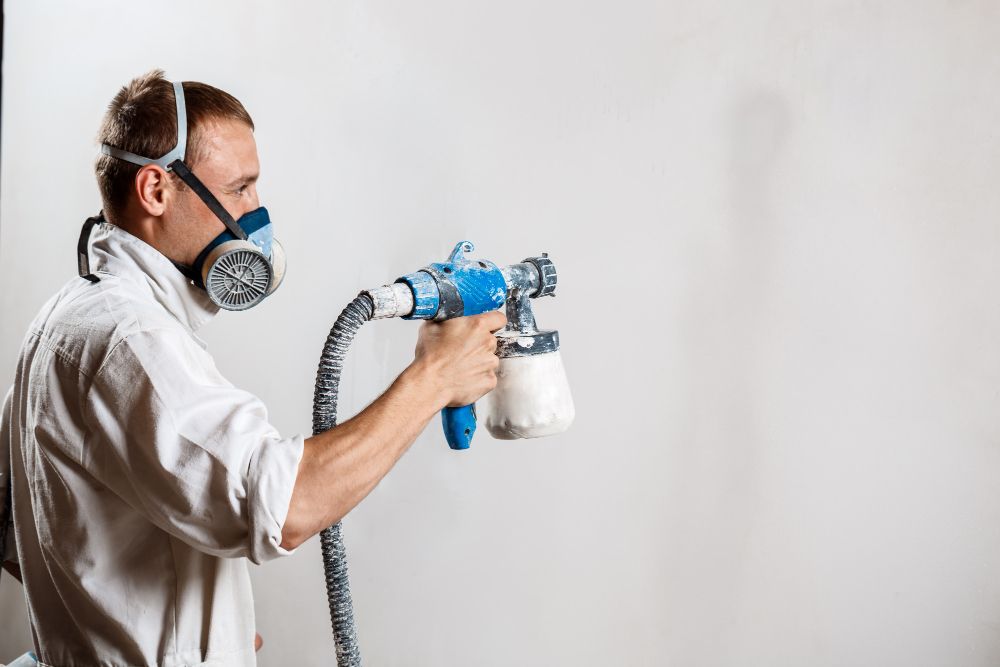
A painter’s responsibilities vary depending on the project, but most jobs follow a similar process from preparation through to the finished coat.
Typical duties include:
- Preparing walls, ceilings, and exterior surfaces
- Scraping, sanding, filling, and repairing damaged areas
- Applying primers, paints, stains, and protective coatings
- Masking and protecting surrounding surfaces
- Mixing paint to achieve the correct color and finish
- Operating brushes, rollers, and spray equipment
- Cleaning tools and maintaining equipment
- Inspecting completed work for quality and consistency
Professional painters also communicate with clients, estimate projects, and ensure work is completed safely and on schedule. If you’re considering this career, our painter job description guide explains the role in more detail.
How much do painters make?
Painter salaries vary depending on experience, specialization, location, and whether you work for an employer or run your own business. Residential painters typically earn differently from commercial or industrial painters, while self-employed painting contractors have the potential to increase their earnings by building a strong client base.
Factors that affect a painter’s income include:
- Years of experience
- Residential or commercial work
- Geographic location
- Certifications or licenses
- Self-employed versus employed
- Specialized coatings or industrial painting
According to the Bureau of Labor Statistics (BLS), demand remains steady for construction and maintenance painters across residential, commercial, and industrial sectors. As you gain experience and develop specialist skills, your earning potential generally increases.
If you’re curious about industry earnings, see our guide on how much painters make, which breaks down average salaries and hourly rates across different types of painting jobs.
Painter job outlook
The demand for painters remains steady as homes, commercial buildings, and infrastructure require ongoing construction, maintenance, and renovation. New construction projects create opportunities for entry-level painters, while repainting and restoration work provide consistent demand for experienced professionals.
Career opportunities are available with:
- Residential painting companies
- Commercial contractors
- Industrial facilities
- Government organizations
- Property management companies
- Self-employed painting businesses
Painters who develop specialist skills in commercial coatings, spray applications, or industrial painting often have access to higher-paying roles and long-term career progression.
Requirements to become a painter

You don’t need a college degree to become a professional painter, but you’ll need practical skills, hands-on experience, and, in some locations, certifications or licenses before working independently.
Education
Most painters need a high school diploma or equivalent, although it’s not always required. Basic knowledge of mathematics, measurements, and communication is useful when estimating projects and working with customers.
Training
Many painters learn on the job by working with experienced contractors. Others complete vocational programs or apprenticeships that teach surface preparation, paint application, safety procedures, and equipment handling.
Training often covers:
- Surface preparation
- Brush, roller, and spray techniques
- Color matching
- Drywall repair
- Exterior painting
- Job site safety
As you begin taking on paid work, learning how to create accurate painting estimates will help you win more jobs and present a professional image to customers.
Certifications
Certification requirements vary by state and country. While many residential painters can begin working without formal certification, commercial projects may require additional training or recognized credentials.
If you plan to run your own business, you may also need a contractor’s license depending on your local regulations. Our guide on how to get a painting license explains the licensing process in more detail.
Skills
Successful painters combine technical ability with strong customer service and project management skills.
Important painting skills include:
- Attention to detail
- Color matching
- Surface preparation
- Time management
- Communication
- Physical stamina
- Problem-solving
- Safe use of painting equipment
Painter work environment

Painters work in a variety of environments, including homes, offices, schools, hospitals, factories, warehouses, and outdoor construction sites. Some projects involve working on ladders or scaffolding, while others require lifting equipment, working at height, or operating spray systems.
Working conditions vary depending on the project. Residential painters often work regular daytime hours, while commercial and industrial painters may complete projects during evenings or weekends to minimize disruption.
Because painters regularly work with chemicals, solvents, and equipment, following safety procedures is essential. Using appropriate personal protective equipment (PPE) and following OSHA safety guidance helps reduce the risk of workplace injuries and exposure to hazardous materials.
How to become a painter
Becoming a professional painter is a straightforward process that focuses on building practical skills and gaining real-world experience.
1. Learn basic painting skills
Start by learning the fundamentals of surface preparation, sanding, patching, priming, masking, and paint application. You can develop these skills through online tutorials, vocational courses, or by assisting experienced painters.
2. Get hands-on experience
Practical experience is one of the most valuable parts of becoming a painter. Entry-level jobs, helper positions, and smaller residential projects allow you to build confidence while learning professional techniques.
3. Complete training or an apprenticeship
Many painting contractors offer apprenticeships where you can earn while you learn. Apprentices work alongside experienced painters, developing technical skills while gaining experience on residential and commercial projects.
4. Get certified or licensed if required
If you plan to work independently or operate your own business, check the licensing requirements in your state or country. You may need a contractor’s license, insurance, or specific certifications before taking on larger projects or hiring employees.
Why becoming a painter is a rewarding career
A career in painting offers a practical entry into the skilled trades with opportunities to specialize, increase your earnings, or eventually run your own business. Whether you want to paint residential homes, commercial buildings, or industrial facilities, developing strong technical skills and gaining hands-on experience can lead to steady work and long-term career growth.
If your goal is to become self-employed, investing in the right tools and business systems can help you stay organized as your workload grows. From creating estimates to sending invoices and tracking payments, using software for painting contractors makes it easier to manage jobs while delivering a professional customer experience.