How to Become a Roofing Contractor Explained
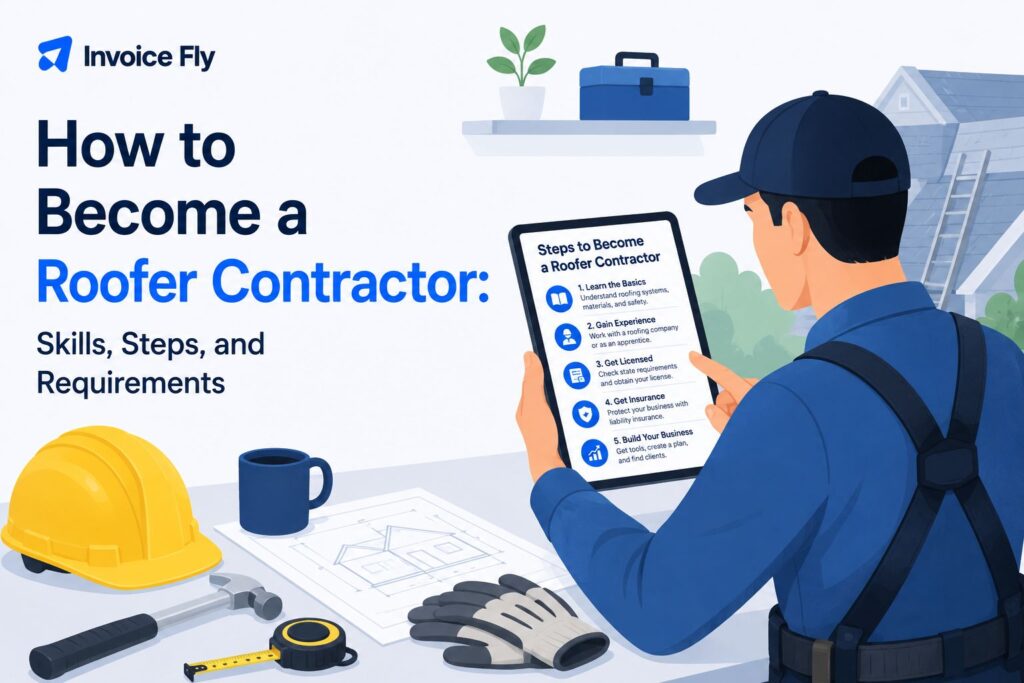
Table of Contents
If you want to understand how to become a roofer, this article is for you. To become a roofing contractor, start by gaining hands-on roofing experience through entry-level work, trade school, or an apprenticeship. From there, learn how to install and repair different roofing systems, complete safety training, and check the contractor licensing and insurance requirements in your state. Requirements vary by location, so always confirm the rules with your state or local licensing authority before taking on independent roofing jobs.
This guide covers:
- Why roofing can be a good career
- What it takes to become a roofer
- How to become a roofing contractor in five steps
- Skills roofing contractors need
- How long the process takes
- What to do after becoming a roofer
Why become a roofer?
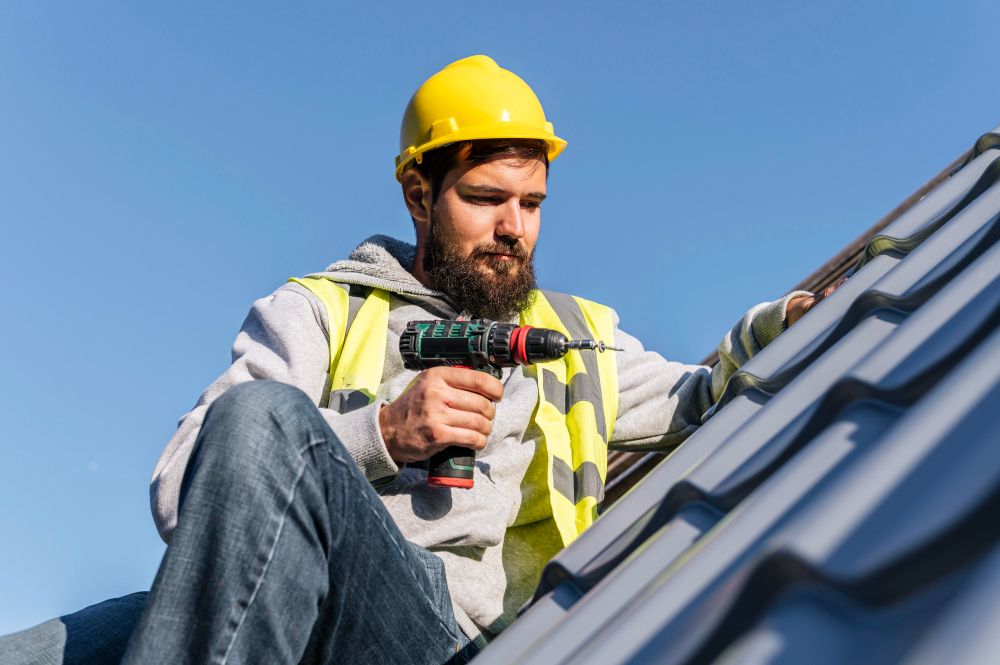
Roofing offers a relatively accessible route into the construction industry. The Bureau of Labor Statistics (BLS) says roofers typically don’t need a formal educational credential and usually learn their skills through on-the-job training. Employment is projected to grow 6% from 2024 to 2034, with about 12,700 openings expected each year.
A roofing career can also lead to opportunities beyond installation and repair. With experience, roofers may progress into estimating, supervision, commercial roofing, or eventually start their own company.
If business ownership is your goal, our guide on how to start a roofing company covers the next steps, including planning, equipment, pricing, and finding customers.

What does it take to become a roofer?
You don’t typically need a college degree to become a roofer. According to the BLS, most roofers learn on the job from experienced workers, while some enter the industry through apprenticeships.
Roofing is physically demanding, so you’ll need to be comfortable working at height, lifting materials, climbing ladders, and spending long periods outdoors. You’ll also need practical knowledge of roofing tools, materials, installation techniques, roof repairs, and job-site safety.
Becoming an independent contractor involves additional steps. Depending on your location, you may need a contractor’s license, business registration, insurance, bonding, or documented work experience. Check your state and local requirements before offering roofing services independently.
How to become a roofer contractor in 5 steps

There isn’t one national route to becoming a roofing contractor in the U.S. However, most people build their careers through a combination of education, practical experience, training, and any licenses required where they work.
1. Get a high school diploma or equivalent
A diploma isn’t always required to work as a roofer, but completing high school or a GED can give you useful skills in basic math, measurements, reading plans, and communication.
If you want to run your own roofing business later, these skills also help with estimating materials, preparing bids, and managing costs.
2. Go to a trade school
Trade school is optional, but a construction or roofing program can give you structured training before entering the workforce.
Depending on the course, you may learn about:
- Roofing materials and systems
- Measuring and estimating
- Roof installation and repair
- Construction drawings
- Tool and equipment use
- Workplace safety
Trade school can be particularly useful if you have no previous construction experience, but it isn’t the only route into roofing.
3. Sign up for an apprenticeship
A roofing apprenticeship combines paid work experience with technical instruction. You’ll work alongside experienced roofers while learning how to measure, cut, fit, install, and repair roofing materials.
The BLS notes that apprenticeships are one route into roofing, although many workers instead receive training directly from an employer.
An apprenticeship also gives you experience with real roofing jobs and different types of roofing services, helping you build the practical skills needed to eventually work independently.
4. Complete necessary training
Continue building experience across the roofing systems you expect to work with, such as asphalt shingles, metal roofing, low-slope systems, repairs, and roof replacement.
Safety training is particularly important. Roofers regularly work at height and around tools, equipment, and heavy materials.
You can also pursue professional certification as your experience grows. The National Roofing Contractors Association’s PROCertification program validates roofing installation knowledge and performance across different roof systems and professional roles.
5. Obtain your roofing contractor license
Roofing contractor licensing requirements vary significantly by state and sometimes by county or city. Some jurisdictions require a specific roofing license, while others regulate roofers under a general contractor license or have different requirements based on project value.
Requirements may include:
- Minimum age
- Documented work experience
- Trade or business exams
- Business registration
- General liability insurance
- Workers’ compensation insurance
- A contractor bond
- Application and renewal fees
Before applying, check the relevant licensing authority for your location rather than assuming requirements are the same nationwide.
Our guide on how to get your roofing license covers the licensing process in more detail. If you’re planning to work independently, you should also understand roofing insurance requirements before accepting customers.
Skills you need to become a roofer
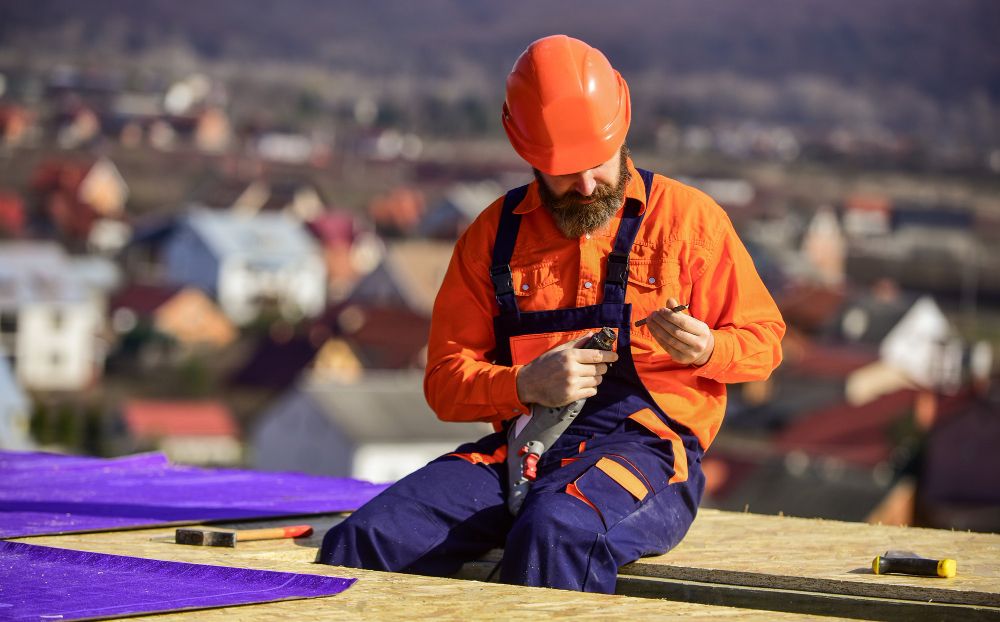
Roofing requires practical skills, physical ability, and strong attention to safety. As you gain experience, you’ll also need customer service and business skills if you plan to become an independent contractor.
Important roofing skills include:
- Physical strength and stamina
- Balance and coordination
- Measuring and basic math
- Attention to detail
- Knowledge of roofing materials
- Safe use of tools and equipment
- Problem-solving
- Communication and teamwork
The work can be physically demanding. The Bureau of Labor Statistics (BLS) notes that roofers regularly climb, bend, kneel, and lift heavy materials, often while working outdoors.
Contractors also need to know how to inspect roofs, calculate material and labor costs, prepare estimates, and communicate with customers. Learning how to bid a roofing job can help you price projects accurately once you begin taking on your own work.
How long does it take to become a roofing contractor?
You can start working in roofing relatively quickly because there is typically no formal education requirement. However, becoming an experienced roofing contractor takes longer.
The timeline depends on your chosen training route and local licensing rules. Most roofers learn through on-the-job training, while others complete apprenticeships. Building enough experience to work independently or meet licensing requirements can take several years.
Professional certifications may also require prior experience. For example, NRCA’s PROCertification program offers credentials across different roofing systems and roles, with eligibility requirements depending on the certification.
After you become a roofer

Once you have the experience, licenses, and insurance required in your area, you can continue working for a roofing company or move toward running your own business.
If you choose to work independently, you’ll need to think beyond how to become a roofer. That includes:
- Choosing which roofing services to offer
- Buying professional tools and equipment
- Getting roofing insurance
- Creating roofing contracts and estimates
- Setting your prices
- Finding roofing leads
- Marketing your business
- Managing invoices and payments
Our guide on how to start a roofing company walks through the full process of turning your trade experience into a business.
As you take on more jobs, staying organized becomes increasingly important. An invoice maker can help you create professional invoices and track payments without adding unnecessary paperwork to your day.