Electrician website: Must-have pages for your business
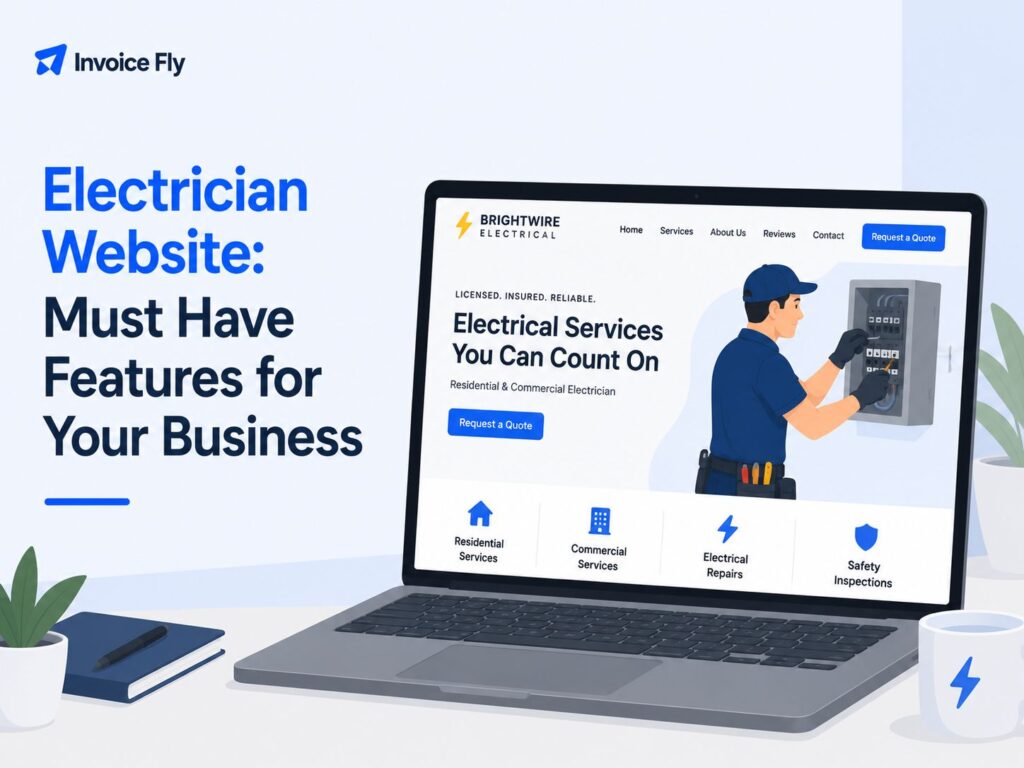
Table of Contents
An electrician website helps your business get found online, build trust with potential customers, and generate more service calls. The best electrician websites include essential pages such as services, locations, testimonials, and contact information, along with features like click-to-call buttons and online quote requests. Whether you’re building a new website or improving an existing one, the right structure can turn more visitors into paying customers.
This guide covers:
- Why every electrician needs a website
- How to build an electrician website
- The pages every electrician website should include
- Electrician website design ideas
- Tips to improve conversions and SEO
Why you need an electrician website

Your website is often the first place potential customers interact with your business. A professional site makes it easier for people to find your services, trust your company, and contact you when they need an electrician.
A well-designed electrician website can help you:
- Generate more local leads
- Build credibility with reviews and certifications
- Explain your services clearly
- Improve your visibility on Google
- Convert more visitors into inquiries
Many customers compare several electricians before making a decision. A modern, mobile-friendly website helps your business stand out and supports your wider marketing for electricians strategy.
If you’re starting a business, our guide on how to start an electrical business explains everything from licensing to winning your first customers.
How to build an electrician website for your business
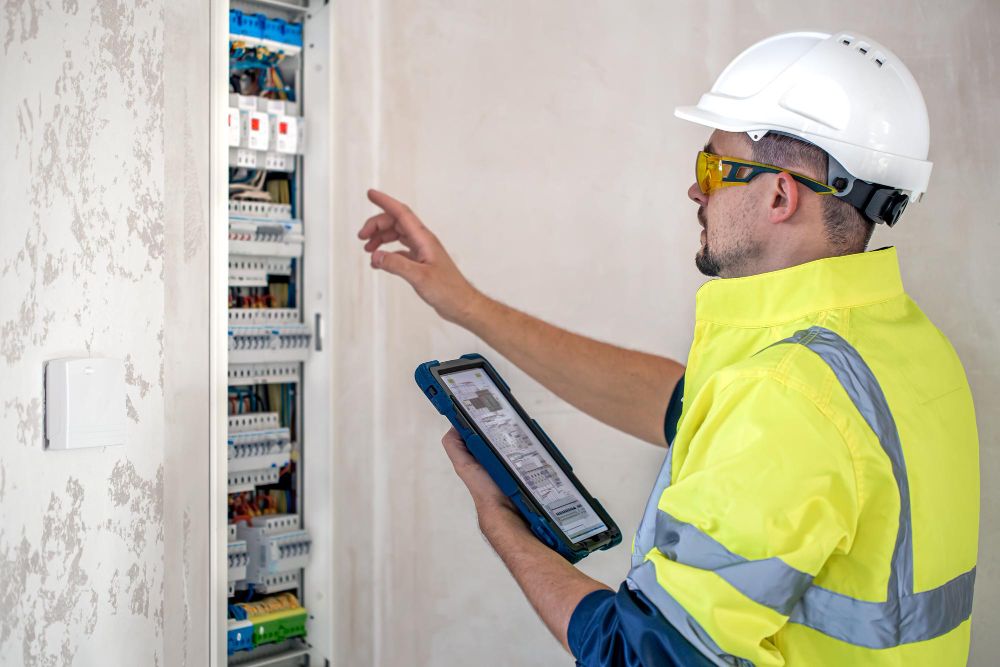
The most successful electrician websites focus on one goal: making it easy for customers to request your services.
When planning your website, make sure it includes:
- Simple navigation
- Mobile-friendly design
- Fast loading speeds
- Professional branding
- Clear calls to action
- Easy-to-find contact details
- Customer testimonials
Choose a website platform that fits your budget and technical skills. Website builders like Wix are suitable for beginners, while Webflow offers more flexibility for custom designs. If you’re hiring a designer, ask them to build a site that’s optimized for SEO as well as user experience.
As your website grows, combining it with electrical SEO will help you rank for more local searches and generate consistent inquiries.
Core components of a successful electrician website

Every page should answer customer questions, build confidence, and encourage visitors to contact your business.
Best service pages for an electrician website
Rather than listing every service on your homepage, create dedicated pages for your main areas of work.
Common service pages include:
- Residential electrical services
- Commercial electrical services
- Emergency electrician services
- EV charger installation
- Panel upgrades
- Electrical inspections
Each page should explain the service, its benefits, your experience, and how customers can request a quote. If you provide a wide range of electrical services, dedicated pages also improve your SEO by targeting specific search terms.
If you offer safety inspections, panel upgrades, or electrical repairs, explain how your team follows recognized safety practices. Linking your experience to industry guidance can help reassure customers that you take safety seriously. The Occupational Safety and Health Administration (OSHA) provides guidance on common electrical hazards and safe working practices for the industry.
Location pages for electricians
If you serve multiple towns or cities, create a separate page for each location instead of using one generic service area page.
Each location page should include:
- Areas you cover
- Services available
- Customer testimonials
- Local contact details
- Unique content with relevant local keywords
Location pages help improve local search visibility while making it clear to customers that you work in their area. Avoid copying the same content across every page, as unique pages are more likely to rank well in search results.
Electrician website design examples
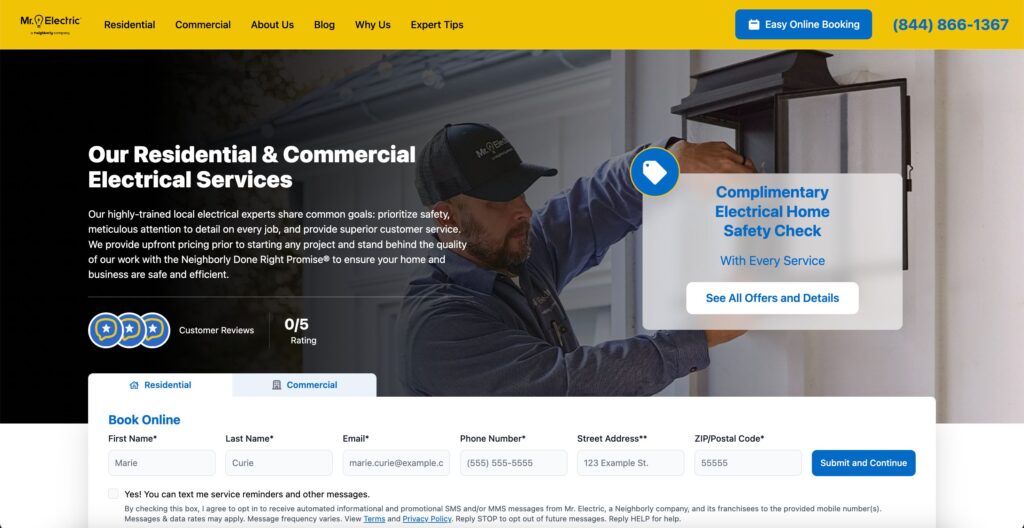
Looking at successful electrician websites can help you identify features that improve user experience and generate more inquiries. While every business is different, the best websites share several characteristics.
Mr. Electric uses a clean layout with prominent emergency messaging, a click-to-call phone number, and clear navigation. Customers can quickly find residential and commercial services, request a quote, or book an appointment.
Expert Electric focuses on a simple, modern design with dedicated service pages, customer reviews, and easy online booking. Its structured layout makes it simple for visitors to find information without unnecessary clicks.
Wire Craft Electric demonstrates the value of local SEO by featuring community-focused content, regional photography, and location-specific service pages that help improve search visibility.
CSI Electric showcases larger commercial projects while maintaining a straightforward website structure. Clear project galleries, case studies, and service pages help build credibility with commercial clients.
Regardless of your company size, you don’t need an elaborate website for your electrician business. A clean design, fast loading pages, and helpful content will usually outperform an overly complex website.
Tips for designing an electrician website
A professional-looking website is important, but the best electrician websites are designed to convert visitors into customers.
Make your contact information impossible to miss
Display your phone number and contact button prominently across every page. If you provide emergency services, highlight your availability near the top of your homepage.
Use real project photography
Photos of your team, completed installations, and service vehicles build more trust than generic stock images and help customers feel confident choosing your business.
Showcase reviews and certifications
Customer testimonials, industry memberships, and “Licensed & Insured” badges provide immediate social proof and reassure potential customers.
Include information about your qualifications, licenses, and experience on your About page. Customers want to know who they’re hiring, especially for electrical work. The Bureau of Labor Statistics also highlights the wide range of skills electricians need, from installing wiring systems to reading blueprints and troubleshooting electrical faults.
Keep navigation simple
Visitors should be able to reach your services, locations, and contact page within a few clicks. Avoid cluttered menus or unnecessary pages.
Design for mobile first
Many customers search for electricians from their phones, often when they need urgent assistance. Your website should load quickly, display correctly on smaller screens, and make it easy to call your business with one tap.
Invest in SEO from the beginning
A great-looking website won’t generate leads if customers can’t find it. Combining strong design with electrical SEO helps improve your rankings and increase qualified traffic over time.
For more guidance on building and growing your company, revisit our guide on how to start an electrical business.
Build an electrician website that generates more leads
A professional electrician website works around the clock to promote your business, build trust, and generate new inquiries. By creating dedicated service pages, optimizing for local SEO, and making it easy for customers to get in touch, you can turn your website into one of your most valuable marketing tools.
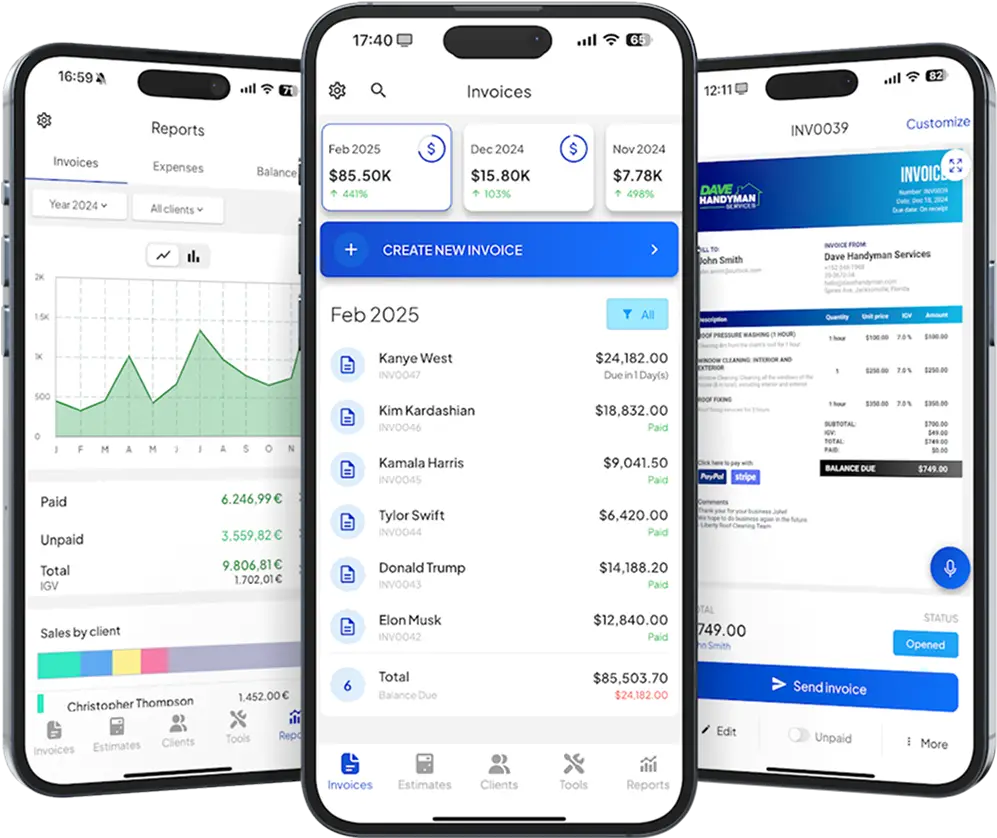
Once customers start getting in touch, having the right systems in place becomes just as important. Electrical contractor software helps you create estimates, schedule jobs, manage customers, and send invoices from one place. You can also use a free electrical estimate template to prepare professional quotes or an invoice maker to invoice customers quickly after the work is complete.