Lawn Care Contracts: What to Include and Why They Matter
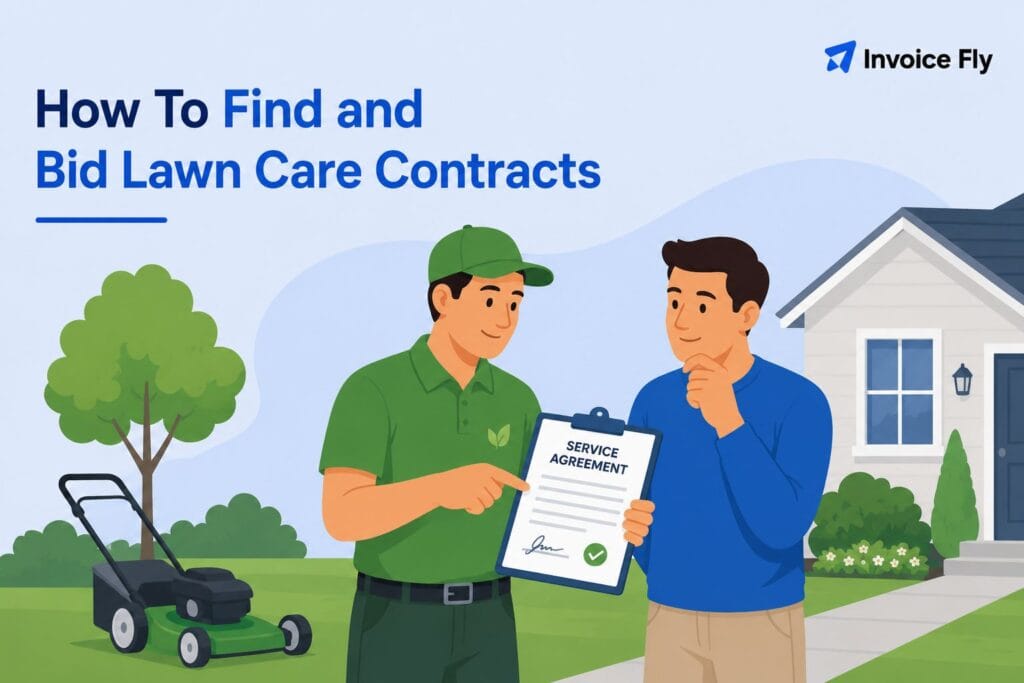
Table of Contents
Lawn care contracts put the details of a job in writing, including the scope of work, pricing, service schedule, and each party’s responsibilities. A well-written contract protects your business, helps prevent misunderstandings, and sets clear expectations for services like mowing, fertilizing, and seasonal cleanup. Whether you work with homeowners, commercial properties, or HOAs, having a solid contract makes your business look more professional and helps you get paid on time.
In this guide, you’ll learn what to include in a lawn care contract, the different types of agreements, how to find and bid on jobs, and how to create contracts that help you win more clients.

What Are Lawn Care Contracts?
A lawn care contract is a written agreement between a lawn care provider and a client that outlines exactly what services will be performed, how often, and for how much. Instead of a handshake deal, a contract puts everything in writing: mowing frequency, edging, fertilizing schedules, payment terms, and what happens if either side wants to cancel.
It might seem like a simple document, but a good contract can save you a lot of headaches later. Without a signed agreement, it’s easy for a client to expect extra services you never agreed to, or to stop paying without warning. A contract gives both sides something to point back to if there’s ever a disagreement.
Before you start writing contracts, it helps to know your numbers. Understanding how much to charge for lawn mowing makes it much easier to price your services correctly once you sit down to draft an agreement. If you’re still building your company, our guide on how to start a lawn care business walks through licensing, pricing, equipment, and getting your first customers.
Types of Lawn Care Contracts

Lawn care contracts generally fall into four categories, each with different expectations and pricing structures.
1. Residential Lawn Care Contracts
Residential contracts are usually simpler, covering routine mowing, trimming, and seasonal cleanup for a single homeowner. Many residential clients prefer a simple lawn care contract template that lays out the basics without a lot of legal language.
2. Commercial Lawn Care Contracts
Commercial contracts tend to be more detailed. A property manager overseeing an office park, for example, might require a commercial lawn care contract template that spells out liability coverage, service-level expectations, and a full 12 month lawn care contract schedule covering both mowing season and winter services like snow removal.
3. Government Lawn Care Contracts
Government contracts, sometimes issued by cities, school districts, or federal agencies, often go through a formal bidding process. These contracts can be more competitive to win, but they often provide reliable, long-term work once awarded. The federal government lists open opportunities, including landscaping and grounds maintenance work, on SAM.gov, the official government contracting portal. Registering as a government vendor may also be required before you can bid on certain contracts.
4. HOA Lawn Care Contracts
An HOA contract covers shared spaces within a homeowners association, like common areas, entrances, and community parks. These agreements often involve multiple stakeholders, so they tend to include more detailed service schedules and clear communication terms about who to contact for issues or changes.
How to Find Lawn Care Contracts
Figuring out how to find lawn care contracts often comes down to a mix of strategies:
- Local networking: Property managers, real estate agents, and HOA boards are common sources of recurring work
- Online directories and bidding platforms: Many commercial and government contracts are posted publicly for bidding
- Referrals: Existing residential clients are a strong source of leads for new lawn care contracts, especially in the same neighborhood
- Direct outreach: Reaching out to commercial property managers or HOA boards directly can open doors before a contract is even posted publicly
Learning how to get lawn care contracts usually takes a combination of these approaches rather than relying on just one channel.
How to Bid a Lawn Care Contract
Once you find an opportunity, bidding correctly is what turns a lead into a signed contract. When you’re figuring out how to bid on lawn care contracts, walk the property first whenever possible. Square footage, terrain, and existing landscaping all affect labor time and pricing.
From there, build your bid around:
- Labor hours needed per visit
- Equipment and fuel costs
- Frequency of service (weekly, biweekly, or seasonal)
- A reasonable profit margin on top of your costs
A landscaper bidding on a small strip mall property, for instance, might factor in extra time for edging around parking lot islands, something a residential yard wouldn’t require. Reviewing your lawn care business margins before submitting a bid helps make sure the number you quote actually covers your costs and leaves room for profit.
How to Write a Lawn Care Agreement
Knowing how to write a lawn care contract comes down to covering a few key areas clearly and completely.
What to Include
A solid lawn care contract should include:
- Client information (name, address, and contact details)
- Scope of work (mowing, edging, fertilizing, cleanup, etc.)
- Service frequency and schedule
- Pricing and payment terms
- Contract length (monthly, seasonal, or annual)
- Cancellation and renewal terms
- Signatures from both parties
| Lawn Care Contract Section | Why It Matters |
|---|---|
| Client information | Identifies both parties |
| Scope of work | Prevents misunderstandings |
| Service schedule | Sets expectations |
| Pricing | Defines payment amounts |
| Payment terms | Improves cash flow |
| Cancellation policy | Protects both parties |
| Signatures | Makes the agreement official |
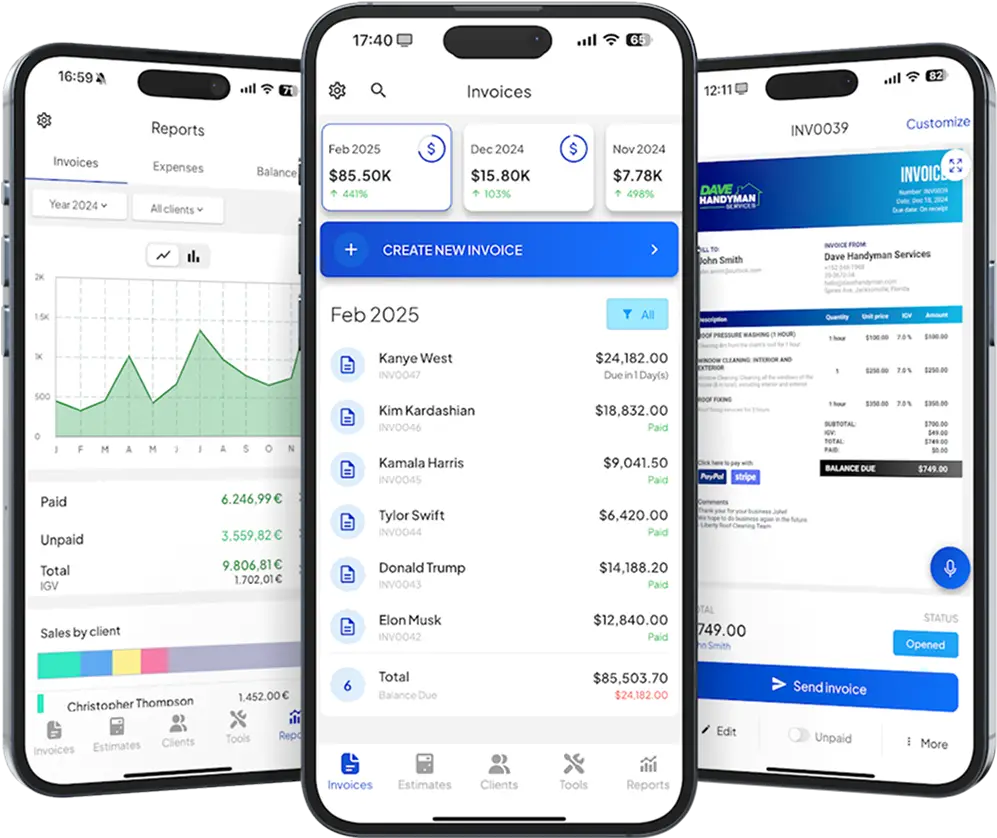
Many contractors start with a free lawn care contract template or printable lawn care contract template and customize it for each client rather than writing one from scratch every time. Many lawn care businesses build estimates with a free lawn care cost calculator, then send invoices using an invoice maker or lawn care software to keep paperwork organized. A free lawn care invoice template is also a quick way to bill clients while you’re still setting up a full system.
How to Protect Your Business
A well-written contract should also protect you if something goes wrong. This includes clauses covering liability for property damage, weather delays, and what happens if a client wants to cancel mid-season. Carrying proper coverage matters here too. Making sure you have lawn care insurance in place adds another layer of protection alongside a strong contract.
A good contract also helps reduce payment disputes and delays. According to the InvoiceFly Salary & Time Gap Report 2026, home-service professionals lose an average of 852.8 hours a year — worth roughly $25,000 — on non-billable admin like quoting, invoicing, and chasing payments, according to Paychex research. Clear contracts and organized billing systems can help recover some of that time.
Common Mistakes
Some of the most common lawn care mistakes when it comes to contracts include:
- Leaving pricing or scope vague, which leads to disputes later
- Skipping a cancellation clause entirely
- Not specifying who provides equipment or materials
- Forgetting to include payment due dates or late fee terms
- Failing to define exactly which services are included, leaving room for scope creep

Conclusion
A well-written lawn care contract does more than protect your business. It gives you and your clients a clear understanding of what’s included, helps prevent misunderstandings, and shows that you run a professional operation, whether you’re maintaining a single residential lawn or managing multiple commercial properties. Taking the time to put every job in writing can lead to smoother payments, fewer disputes, and stronger long-term client relationships, whether you work with residential, commercial, HOA, or government clients. If you’re building your company from the ground up, our guide on how to start a lawn care business can help you build a solid foundation for pricing your services, creating effective contracts, and growing a successful business.