Landscaping Technician: Duties, Skills, and Career Path
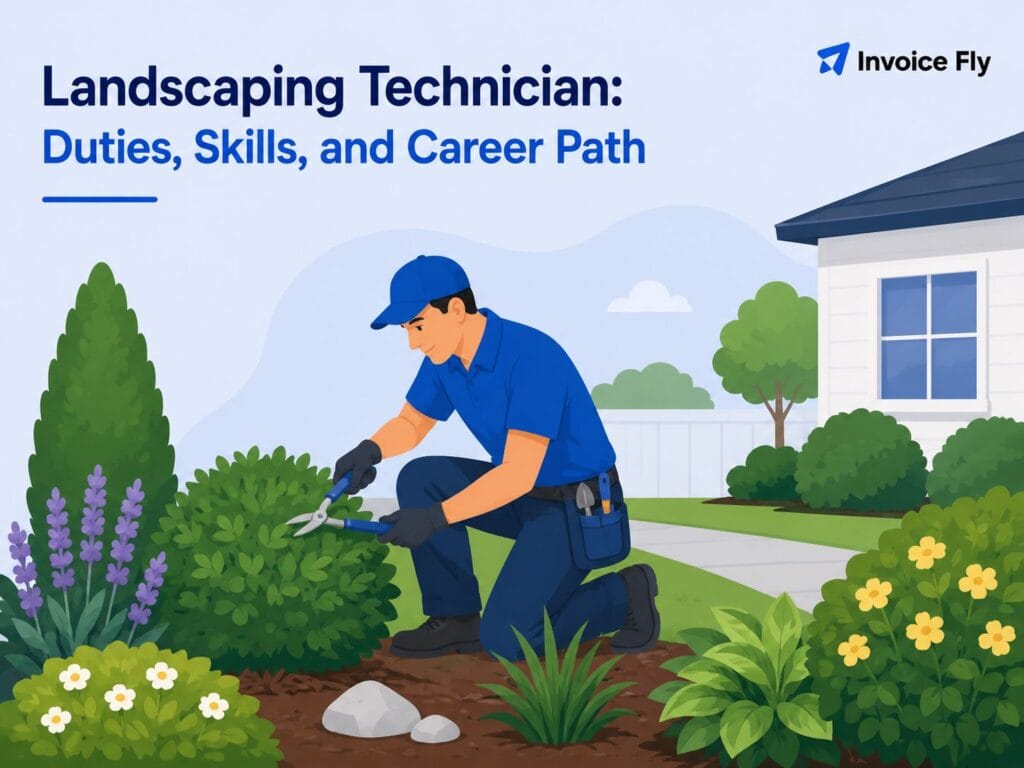
Table of Contents
A landscaping technician helps create and care for outdoor spaces that look great and function well. Depending on the specialty, that might mean mowing lawns, planting trees and flowers, installing irrigation systems, building walkways, or maintaining landscapes for homes, businesses, and public properties. Whether you’re hiring a landscaping technician or exploring it as a career, understanding what the job involves helps you set the right expectations from the start.
In this guide, you’ll learn what a landscaping technician does, the skills and qualifications employers look for, certification options, salary expectations, and the career paths available.

What Is a Landscape Technician?
A landscape technician is a skilled outdoor worker who installs, maintains, and repairs landscaping features for residential, commercial, or public properties. The title covers a wide range of specialties. Some techs focus on lawn care and plant health, while others specialize in landscape construction, irrigation systems, or even interior landscape technician work, maintaining plants inside offices and commercial buildings.
Unlike a general laborer, a landscape technician usually has some formal training or hands-on experience with horticulture, irrigation, or landscape design. Many start as a general landscaping crew member and grow into more specialized technician roles over time, building a landscape technician resume around whichever specialty they enjoy most.
If you’re growing a landscaping business and hiring your first technician, our guide on how to start a landscaping business covers pricing, licensing, hiring, and setting up your operations. It also helps to first nail down how to price landscaping jobs so labor costs are already built into your rates before you bring someone new onto the payroll.
What Does a Landscaping Technician Do?
Day to day, a landscaping technician’s work depends on the season and the type of property, but the core tasks tend to fall into a few buckets:
| Landscaping Technician Specialty | Primary Responsibilities |
|---|---|
| Landscape Maintenance Technician | Lawn care, pruning, seasonal cleanup |
| Landscape Construction Technician | Patios, retaining walls, walkways |
| Landscape Irrigation Technician | Install and repair sprinkler systems |
| Landscape Design Technician | Assist with design plans and layouts |
| Interior Landscape Technician | Maintain plants in offices and commercial buildings |
A commercial landscaping technician might spend a Tuesday morning inspecting irrigation heads across a corporate campus, then move to trimming hedges along the entrance walkway that afternoon. A residential technician, on the other hand, might handle three or four smaller yards in the same day, each with different plant beds and mowing needs — a good example of how varied landscaping services can be from one client to the next.

Types of Landscape Technicians
The landscaping technician title branches into several specialties, and knowing the difference helps if you’re hiring or picking a career path:
- Landscape maintenance technician: Focuses on ongoing lawn care, plant upkeep, and seasonal cleanup
- Landscape construction technician: Builds hardscape features like patios, walls, and walkways
- Landscape irrigation technician: Installs and repairs sprinkler and drip irrigation systems
- Landscape design technician: Works alongside a landscape architect or designer to bring plans to life
- Landscape CAD technician: Uses design software to draft landscape plans and layouts
- Interior landscape technician: Maintains plants and greenery inside office buildings, hotels, and other indoor spaces
Larger landscaping companies often employ a mix of these specialists, while smaller crews may expect one technician to handle several of these roles at once. These specialty titles are also useful to know when writing a job posting or a landscape technician resume, since they signal exactly which skills a candidate brings.
Skills Required to Be a Landscaping Technician
Landscaping technicians need a combination of physical ability, technical knowledge, and customer service skills. Here are some of the most important:
- Basic horticulture knowledge, including plant identification and care
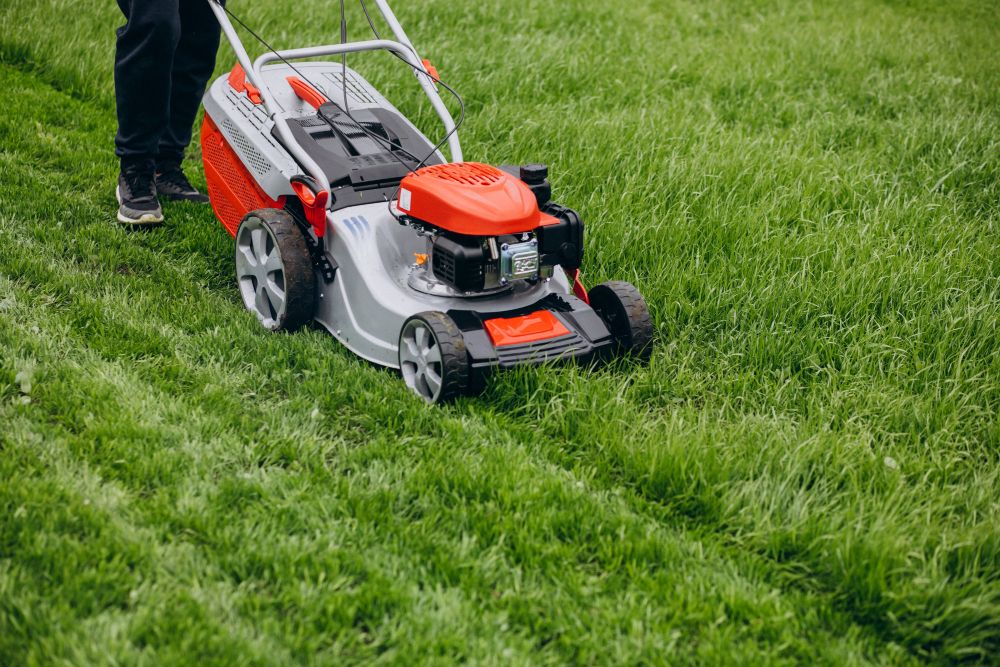
- Comfort operating mowers, trimmers, and other landscaping tools
- Physical stamina for bending, lifting, and standing outdoors for long stretches
- Attention to detail for tasks like precision pruning or irrigation layout
- Communication skills, especially for technicians who interact directly with property owners or managers
Because the work involves power equipment, ladders, and sometimes extreme heat, following OSHA’s landscaping safety standards is also part of the job for most technicians. Technicians working toward landscape design or landscape architecture roles also benefit from creativity and a basic understanding of layout and composition, since these skills carry over as they move into design-focused work. Some technicians who specialize heavily in plant health instead build a career as a horticulture technician, spending less time on hardscaping and more on soil, disease, and plant care.
What Is a Certified Landscape Technician?
A certified landscape technician has passed a hands-on skills exam that verifies competency in specific landscaping tasks, such as planting, irrigation, or hardscaping. Certification isn’t required to work in landscaping, but it can help technicians stand out and often leads to better pay or more advanced roles. Some employers even reimburse certification costs, since certified technicians often require less supervision and can take on more specialized work.
How to Become a Certified Landscape Technician
Certification usually involves a written knowledge test plus a practical, hands-on exam where the technician demonstrates real skills, like installing a paver walkway or correctly identifying plant diseases. Requirements vary depending on the certifying body and specialty track.
Where to Get Certified Landscape Technician Training
The National Association of Landscape Professionals offers one of the most recognized landscape technician certification programs in the U.S., with a self-paced certification course covering installation, irrigation, and maintenance specialties.
What Schools Offer Landscape Technician Degrees
Many community colleges offer landscape technician certificate or associate degree programs that cover horticulture, turfscape management, irrigation design, and basic landscape construction. These programs typically take one to two years and often include hands-on fieldwork alongside classroom instruction.
How Much Does a Landscape Technician Make?
According to the Bureau of Labor Statistics, the median hourly wage for landscaping and groundskeeping workers — the broader occupational category that includes landscaping technicians — was $17.96 in May 2023, or roughly $37,360 a year for full-time work. Pay varies by specialty, certification, and location, with irrigation technicians, landscape construction techs, and crew leaders often earning more than entry-level maintenance roles.
Employment in this field is projected to grow about 4 percent from 2024 to 2034, in line with the average for all occupations, with an estimated 171,600 openings expected each year, according to the BLS Occupational Outlook Handbook.
Career Path and Advancement Opportunities
Many start in general maintenance roles and move into specialized tracks like irrigation, hardscaping, or design. From there, common next steps include crew leader, landscape supervisor, or eventually landscape architect, which typically requires a bachelor’s degree in landscape architecture.
Technicians who want to run their own crews often pick up estimating and business skills along the way. Getting comfortable with a landscaping estimate process early on, using a free landscaping estimate template to start, makes that transition from technician to business owner much smoother. Once a crew is up and running, clear landscaping contracts also help define responsibilities and protect both the business and the client.
Job Outlook for Landscape Technicians
Demand tends to track with new construction, commercial property development, and homeowner spending on outdoor spaces. Technicians with irrigation or hardscape experience are often in higher demand, since those skills take longer to train than basic lawn maintenance.
For landscaping business owners managing a growing technician team, tracking hours and billing accurately matters just as much as the fieldwork itself. According to the InvoiceFly Salary & Time Gap Report 2026, home service professionals lose an average of 852.8 hours a year — worth roughly $25,000 — to non-billable work like quoting, invoicing, and chasing payments, according to Paychex research. Many landscaping companies use landscaping apps or dedicated landscaping software to manage scheduling, and pairing that with a free landscaping invoice template or an invoice maker can help recover some of that lost time so it goes toward paid fieldwork instead of paperwork.

Conclusion
Landscaping technicians play a big part in creating and maintaining outdoor spaces that are safe, functional, and inviting. Whether they’re caring for lawns, installing irrigation systems, or building patios and walkways, their work helps keep residential and commercial properties looking their best. For employers, understanding the role makes it easier to hire the right people. For technicians, it offers plenty of opportunities to learn new skills, specialize, and advance their careers. If you’re planning to grow your own company, our guide on how to start a landscaping business can help you create a strong foundation for hiring, pricing, and long-term growth.