Plumber Job Description: Key Duties, Responsibilities, and Skills
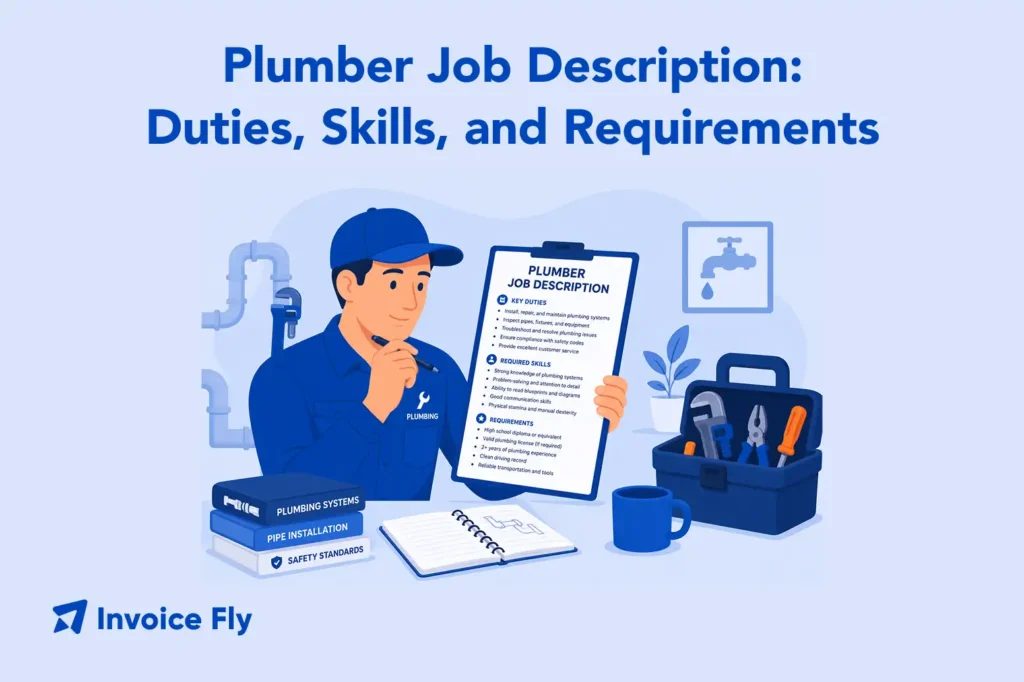
Table of Contents
A plumber job description outlines the duties, responsibilities, skills, and qualifications needed for a plumbing role. Whether you’re hiring an apprentice, journeyman plumber, plumbing technician, or plumber helper, a clear job description helps attract qualified candidates and sets expectations from day one. Most plumbers install, repair, and maintain water, drainage, and gas systems, diagnose plumbing problems, read blueprints, and ensure all work meets local codes and safety standards.
In this guide, you’ll learn what to include in a plumber job description, review role-specific examples, and use a ready-to-customize template for your next job posting.
Why You Need to Write Good Plumber Job Descriptions
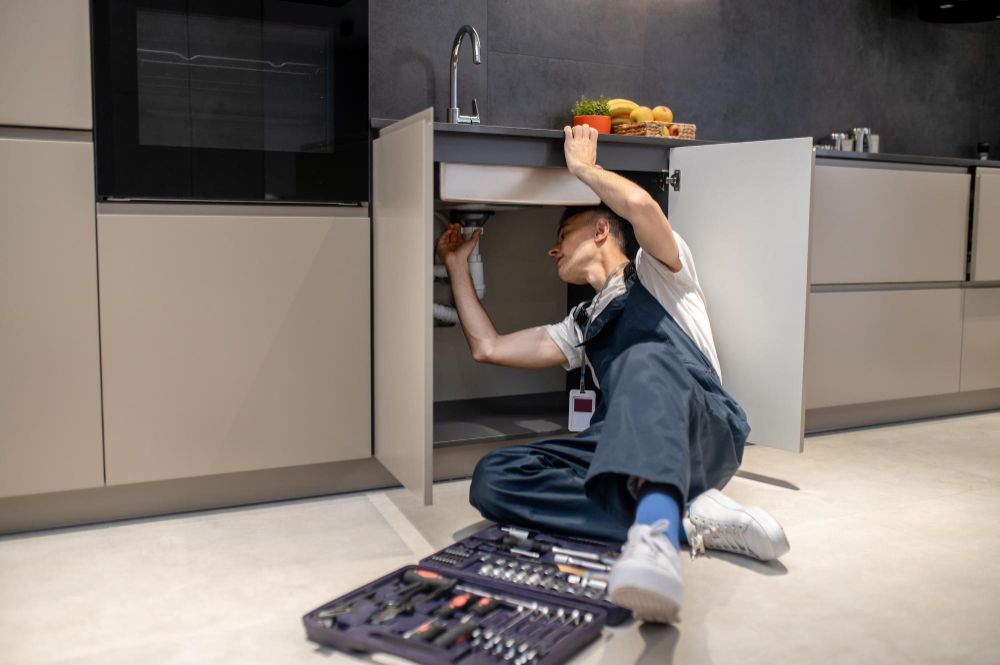
A vague or generic job posting attracts the wrong candidates and wastes everyone’s time. A well-written plumber job description does the opposite: it filters out underqualified applicants, sets clear expectations from day one, and gives candidates enough information to self-select based on their experience level and license status.
For small plumbing companies and growing contractors, hiring the right plumber is one of the most important decisions you’ll make. A strong job posting reflects well on your business and signals that you run a professional operation, which attracts serious, career-focused candidates.
The BLS projects employment of plumbers, pipefitters, and steamfitters to grow 4% from 2024 to 2034, meaning competition for qualified plumbers is steady and ongoing. A clear, compelling job description helps you stand out from other plumbing contractor businesses posting generic listings.
For a full overview of building your plumbing business from the ground up, see our guide on how to start a plumbing business.
Hiring plumbers? A clear job description helps attract qualified candidates and gives your new team members the structure they need to succeed.
What to Include in a Plumber Job Description
Every plumber job description should cover five core sections. Here’s what belongs in each one.
Plumber Job Brief and Overview
Start with a two to three sentence summary of the role. Describe the type of work (residential, commercial, or both), the experience level you’re hiring for, and the key purpose of the position. This is the first thing candidates read, so make it direct and informative.
Example: “We are looking for a licensed journeyman plumber to join our residential service team. In this role, you will diagnose and repair plumbing issues for homeowners, install fixtures and water heaters, and deliver excellent customer service on every call.”
Plumber Job Description Duties and Responsibilities
This is the most important section of any plumbing job description. Be specific. Vague bullet points like “perform plumbing tasks” tell candidates nothing. Instead, list the actual work the role involves.
Common plumber duties and responsibilities include:
- Install, repair, and maintain pipes, fittings, and fixtures including sinks, toilets, water heaters, and garbage disposals
- Diagnose plumbing system failures including leaks, blockages, and pressure problems
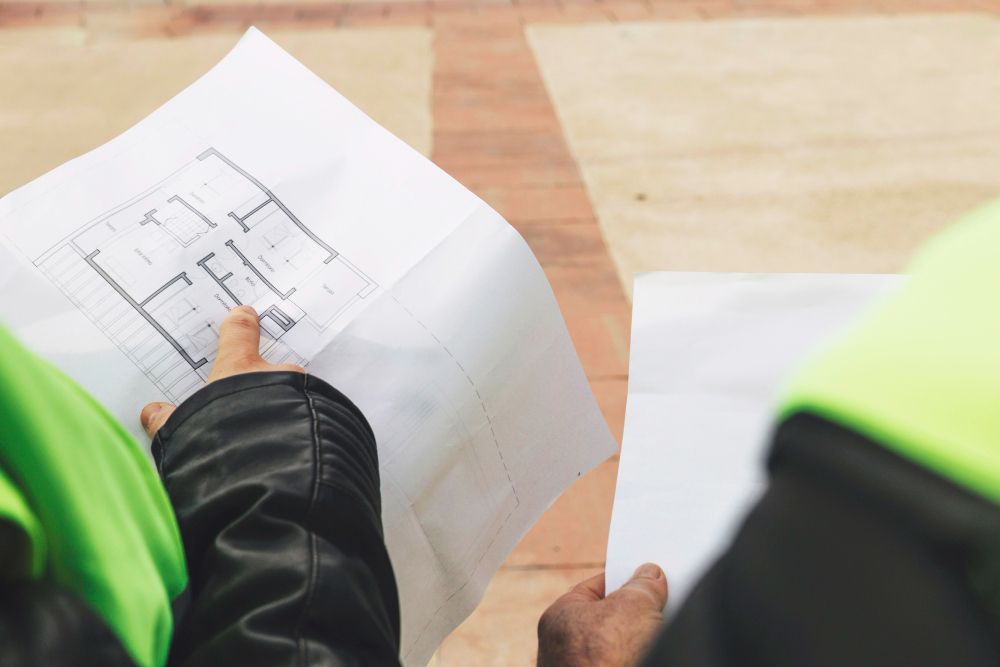
- Read and interpret blueprints and technical drawings to plan plumbing installations
- Perform drain cleaning, hydro-jetting, and pipe repair or replacement
- Conduct pressure tests and inspections to ensure systems meet local plumbing codes
- Respond to emergency plumbing calls and resolve issues efficiently
- Communicate repair options and costs to clients clearly and professionally
- Prepare accurate job estimates and document work orders upon completion
- Maintain an organized inventory of parts, plumbing tools, and equipment
Requirements for a Plumber
Requirements vary by role level, but a standard licensed plumber job description typically includes:
- Valid state journeyman or master plumber license (specify which)
- Completion of an apprenticeship program or equivalent trade school training. Learn more about the process in our guide on how to become a plumber.
- [X] years of hands-on experience in residential or commercial plumbing
- Valid driver’s license and clean driving record
- Ability to lift up to 50 pounds and work in confined or elevated spaces
- Availability for on-call or emergency shifts as needed
For guidance on what licensing looks like in your state, our guide on how to get a plumbing license covers the process in detail.
Skills to Include in the Plumber Job Description
Beyond credentials, strong plumber candidates bring a combination of technical and interpersonal skills.
Technical skills:
- Pipe fitting and soldering
- Blueprint reading and plumbing system design
- Knowledge of local plumbing codes and safety regulations
- Proficiency with hand tools, power tools, and diagnostic equipment
- Familiarity with water heater systems, gas lines, and drain and sewer systems
Soft skills:
- Problem-solving and diagnostic thinking
- Clear communication with clients and team members
- Time management and the ability to handle multiple service calls per day
- Attention to detail on code compliance and quality of work
- Customer service mindset, especially for residential service roles
Plumber Job Description Template
Use this template as a starting point and adjust the details to match your role, location, and experience requirements.
Job Title: [Apprentice / Journeyman / Master] Plumber
Company: [Your Company Name]
Location: [City, State]
Employment Type: [Full-time / Part-time / Contract]
About the Role: We are looking for a [experienced / licensed / entry-level] plumber to join our [residential / commercial / both] service team. In this role, you will [brief 1–2 sentence summary of main responsibilities].
Key Duties and Responsibilities:
- Install, repair, and maintain pipes, fittings, and fixtures including sinks, toilets, water heaters, and garbage disposals
- Diagnose plumbing system failures including leaks, blockages, and pressure problems
- Read and interpret blueprints and technical drawings
- Perform drain cleaning, hydro-jetting, and pipe repair or replacement
- Conduct pressure tests and inspections to ensure code compliance
- Respond to emergency plumbing calls and resolve issues efficiently
- Communicate repair options and costs to clients professionally
- Prepare accurate job estimates and document completed work orders
Requirements:
- Valid [journeyman / master] plumber license or [apprenticeship enrollment]
- [X] years of hands-on plumbing experience
- Valid driver’s license and clean driving record
- Ability to lift up to 50 lbs and work in confined spaces
- Availability for on-call or emergency shifts as needed
Skills:
- Pipe fitting, soldering, and blueprint reading
- Knowledge of local plumbing codes and safety standards
- Strong problem-solving and customer communication skills
Schedule and Compensation:
- Hours: [Full-time / Part-time], [on-call requirements if applicable]
- Pay: [$X–$X per hour / annual salary range]
- Benefits: [List health, PTO, tools, vehicle, etc.]
How to Apply: [Submit your resume to email / apply at URL / call our office at phone number]. We are actively interviewing and will respond within [X] business days.
Plumber Job Description Variations by Role
Different levels of the plumbing career path require different job descriptions. Here’s how the four most common roles compare:
| Role | Best For | Typical Experience Level | Main Focus |
|---|---|---|---|
| Apprentice Plumber | Entry-level training | Beginner | Learning, assisting, basic tasks |
| Journeyman Plumber | Independent field work | Licensed/experienced | Installation, repair, diagnostics |
| Plumbing Technician | Service and maintenance | Trained or licensed | Troubleshooting, repairs, customer service |
| Plumber Helper | Job site support | Entry-level | Tools, materials, site prep |
Apprentice Plumber Job Description
An apprentice plumber is in the early stages of their training, typically working toward a journeyman license under direct supervision. The plumbing apprentice job description should focus on learning, assistance, and foundational tasks rather than independent work.
Key duties: Assist licensed plumbers with installations and repairs, carry and organize tools and materials, prepare work areas, and complete assigned tasks under supervision. Participate in an approved apprenticeship program with ongoing classroom and on-the-job training.
Requirements: High school diploma or GED, enrollment in or eligibility for a state-approved apprenticeship program, basic knowledge of hand tools, reliable transportation, and a willingness to learn. Physical ability to lift heavy materials and work in tight spaces is essential.
Journeyman Plumber Job Description
A journeyman plumber holds a valid license and can work independently on most plumbing tasks, though supervision rules vary by state. This is the most common hire for service-based plumbing companies.
Key duties: Install and repair residential and commercial plumbing systems, diagnose complex issues, perform code-compliant work independently, and communicate directly with clients about repair options and pricing.
Requirements: Valid journeyman plumber license, completion of an apprenticeship program, [X] years of field experience, strong blueprint reading skills, and a clean driving record. Experience with plumbing services like water heater installation, drain cleaning, and gas line work is preferred.
Plumbing Technician Job Description
A plumbing technician job description often describes a service-focused role that handles maintenance calls, diagnostics, and repairs rather than large installation projects. The role emphasizes customer interaction and efficient problem-solving.
Key duties: Respond to residential and commercial service calls, diagnose and repair plumbing faults, perform routine maintenance including water heater inspections and drain cleaning, and document all work accurately. Present repair options and estimates to customers on-site.
Requirements: Plumbing license or certification (requirements vary by state and employer), strong diagnostic skills, customer service experience, and proficiency with plumbing service software for scheduling and invoicing.
Plumber Helper Job Description
A plumber helper or plumber’s assistant supports licensed plumbers on job sites without holding a license themselves. The plumber helper job description is similar to an apprentice role but may not require formal apprenticeship enrollment.
Key duties: Transport and organize tools and materials, assist with digging and trench work, prepare and clean job sites, hand tools to licensed plumbers as directed, and perform basic tasks like cutting pipe under supervision.
Requirements: No license required. Physical fitness, a positive attitude, reliability, and a willingness to work in varying conditions are the core requirements. Some employers prefer candidates with basic construction or trade experience.

How to Write a Plumber Job Description
A well-structured posting takes less than an hour to write and makes a significant difference in the quality of applicants you attract.
Define the Role and Experience Level Clearly
Start by deciding exactly what you need: an apprentice to train, a journeyman to run service calls, or a seasoned plumber to manage complex commercial jobs. The experience level shapes every other part of the description. Trying to hire for a vague “plumber” role without specifying level leads to a mix of underqualified and overqualified applicants.
Use Clear Headings for Duties, Requirements, and Skills
Organize your posting with distinct sections so candidates can scan it quickly. Most job seekers decide whether to apply within the first 30 seconds of reading a posting. A wall of text loses them immediately. Use bullet points for duties and requirements, and keep each bullet to one clear idea.
Add Schedule, Compensation, and Benefits Details
Be transparent about what the job pays. Candidates who see a salary range apply with realistic expectations, which saves time on both sides. Include information about hours, on-call requirements, overtime expectations, and any benefits like health insurance, paid time off, or tool allowances. For context on competitive pay ranges, our guide on how much plumbers make covers salary data by role level and region.
Include a Strong Call to Action in Your Job Posting
Tell candidates exactly how to apply: submit a resume via email, complete an online application, or call your office directly. A clear next step increases application rates. If you have a quick turnaround time or are actively interviewing, say so. Motivated candidates appreciate knowing they won’t wait weeks for a response.
Conclusion
A strong plumber job description is one of the most practical tools you have for building a reliable team. It filters for the right candidates, sets clear expectations before anyone starts, and reflects the professionalism of your plumbing company.
Tailor each description to the specific role, be honest about requirements and compensation, and make it easy to apply. The investment of an hour writing a great posting pays off in better hires and lower turnover. Once hired, clear plumbing contracts and defined job expectations help protect both your business and your customers from the start.
Once you’ve built your team, give them the tools to work efficiently. Our plumbing software helps plumbers manage estimates, invoices, and job tracking from the field, and a ready-to-use plumbing estimate template gets new hires quoting professionally from day one. For everything else you need to run a successful operation, see our full guide on how to start a plumbing business.