Essential Appliance Repair Tools: Complete List
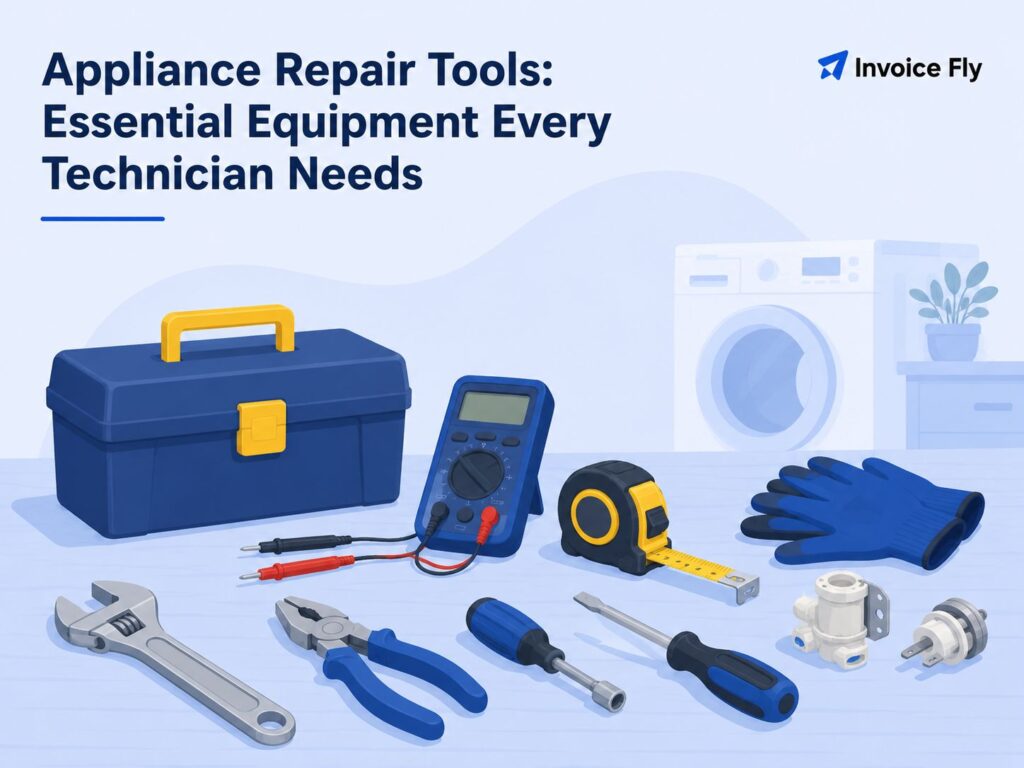
Table of Contents
Essential appliance repair tools include a digital multimeter, voltage tester, screwdrivers, nut drivers, pliers, wire cutters, adjustable wrenches, a putty knife, flashlight, and durable tool bag. These tools help technicians access components, diagnose faults, test electrical systems, and complete repairs on refrigerators, washers, dryers, dishwashers, ovens, and other household appliances.
As technicians gain experience, they can add specialty and diagnostic equipment for specific repair jobs. Electrical safety is particularly important: OSHA requires exposed live parts to be de-energized before work in most circumstances.
This guide covers:
- Basic appliance repair hand tools
- Diagnostic and testing equipment
- Appliance repair specialty tools
- Tool kits and tool bags
- Tools for different repair jobs
- How to choose and buy appliance repair tools
Basic appliance repair tools
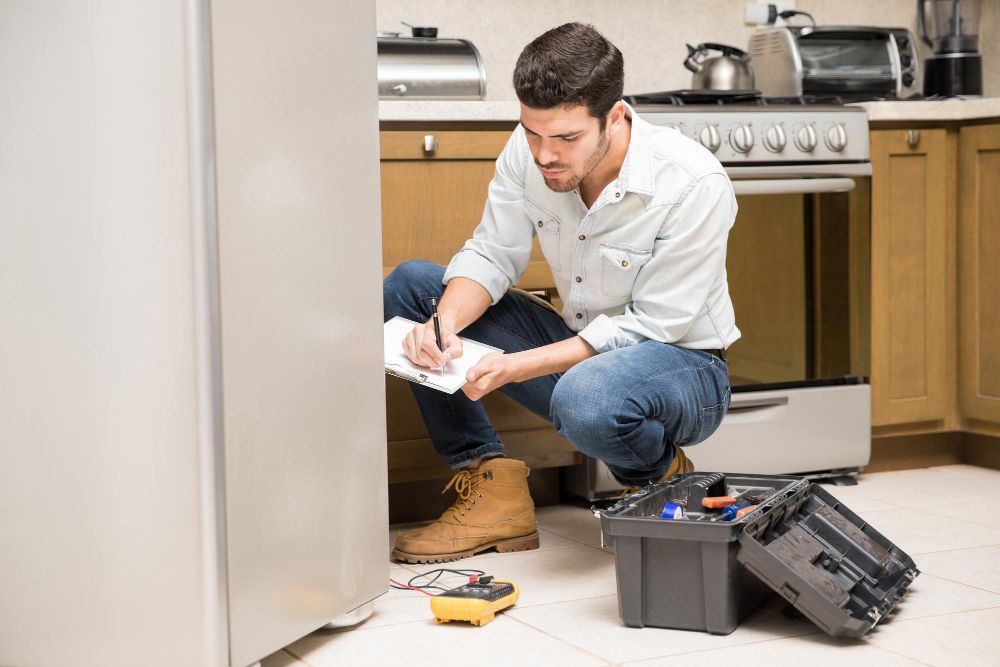
A basic appliance repair tool box should cover the everyday tasks technicians encounter during service calls, from removing panels to disconnecting hoses.
Essential hand tools include:
- Multi-bit screwdriver: Handles Phillips, flathead, Torx, and other common fasteners.
- Nut drivers: 1/4-inch and 5/16-inch sizes are commonly used for appliance panels and components.
- Needle-nose pliers: Useful for gripping wires, clips, and small components in tight spaces.
- Slip-joint pliers: Provide an adjustable grip for fittings and general repair work.
- Channel-lock pliers: Help loosen larger fittings, hoses, and connections.
- Hose-clamp pliers: Make it easier to remove and reinstall spring clamps on water and drain hoses.
- Adjustable wrench: Useful for nuts, water connections, and appliance installation work.
- Socket and ratchet set: Provides additional leverage when removing nuts and bolts.
- Putty knife: Helps release hidden clips and open certain washer and dryer cabinets.
- Wire cutters and strippers: Used when repairing damaged wiring or replacing terminals.
- Utility knife: Useful for cutting packaging, insulation, tape, and other materials.
- Flashlight or headlamp: Illuminates components behind or underneath appliances.
A solid set of basic tools is one of the first investments to consider when learning how to start an appliance repair business, especially if technicians will be completing service calls at different locations.
Appliance repair diagnostic tools
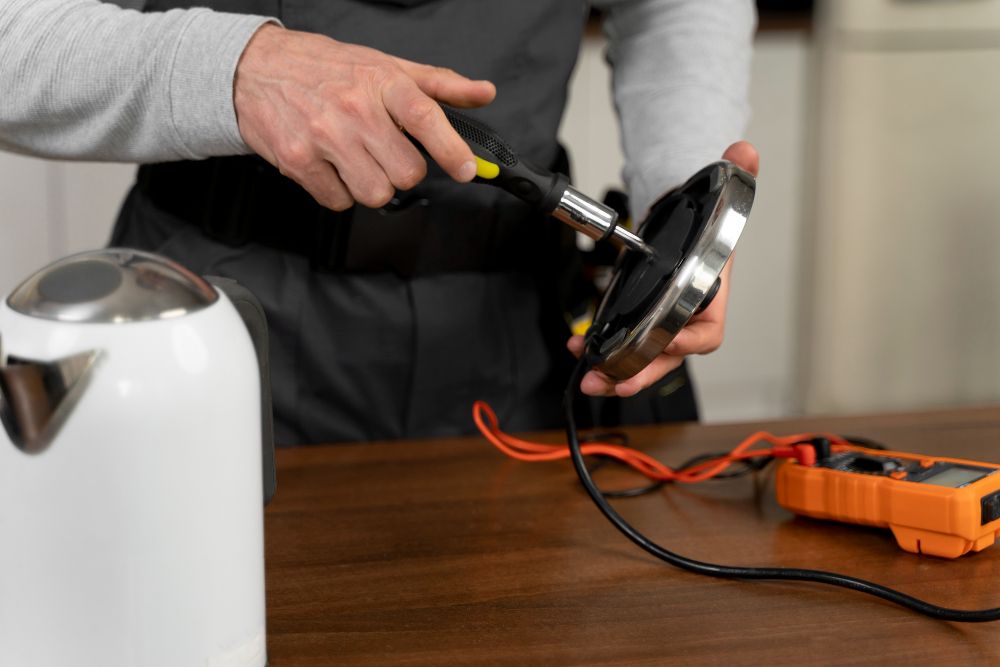
Appliance repair isn’t only about taking equipment apart. Technicians need testing equipment to determine why an appliance isn’t operating correctly before replacing components.
- Digital multimeter: Measures voltage, resistance, and continuity to help diagnose electrical faults in components such as switches, heating elements, thermostats, and motors.
- Non-contact voltage tester: Helps identify whether electrical voltage is present without directly touching a conductor.
- Clamp meter: Measures electrical current by clamping around a conductor and can be useful when diagnosing motors and other electrical components.
- Appliance thermometer: Checks whether refrigerators, freezers, and ovens are maintaining the correct temperature.
- Infrared thermometer: Provides quick surface-temperature readings that can help identify heating or cooling problems.
The Bureau of Labor Statistics defines home appliance repairers as workers who repair, adjust, or install electric and gas household appliances, including refrigerators, washers, dryers, and ovens. That range of equipment makes versatile diagnostic tools particularly valuable.
Appliance repair also involves electrical safety risks. The Occupational Safety and Health Administration (OSHA) classifies electrical repair shops under SIC 7629, which includes businesses repairing electrical and gas appliances.
When testing electrical systems, technicians should follow appropriate safety procedures and use equipment suited to the circuit being tested.
Appliance repair specialty tools
Some repairs require tools designed for particular appliances or components. You don’t necessarily need every appliance repair specialty tool when starting out. Build your collection as your services and experience expand.
Useful specialty tools include:
- Spanner wrench: Used to remove certain tub or basket retaining nuts on washing machines.
- Washer spring expansion tool: Helps remove and reinstall retaining springs around front-load washer door gaskets.
- Refrigerator coil brush: Reaches dust and debris around condenser coils and other narrow spaces.
- Gas leak detector: Helps trained technicians identify potential leaks when servicing gas appliances.
- Inspection mirror: Provides visibility behind components and inside difficult-to-access areas.
- Telescoping magnetic pickup tool: Retrieves screws and other metal parts that fall into tight spaces.
- Torx bit set: Useful for appliances that use specialty Torx fasteners.
- Cordless driver: Speeds up repetitive panel and fastener removal.
Refrigeration work may require additional equipment, such as gauges, vacuum pumps, leak-detection tools, and refrigerant recovery equipment. These aren’t general-purpose tools for every technician, and refrigerant work should only be completed by people with the appropriate training and credentials.
Appliance repair tools and testing equipment
Your testing equipment should match the appliance repair services you provide. A technician primarily repairing washers and dryers will need a different specialty setup from someone regularly servicing refrigerators or gas ranges.
Rather than carrying every tool available, prioritize equipment that:
- Helps diagnose common faults accurately
- Is appropriate for the appliances you service
- Can withstand regular professional use
- Fits safely in your service vehicle or tool bag
- Reduces unnecessary disassembly
This keeps your appliance repair tools list practical instead of filling your kit with equipment you rarely use.
Appliance repair tool kits and tool bags
A good appliance repair tool kit should contain the tools you use on most service calls while leaving room for diagnostic and specialty equipment. Technicians can build their own kit rather than buying everything as a preassembled set.
What to look for in an appliance repair tool kit
Prioritize quality and versatility when choosing tools. A practical kit should include:
- Screwdrivers and nut drivers
- Pliers and adjustable wrenches
- Wire cutters and strippers
- Digital multimeter and voltage tester
- Flashlight or headlamp
- Frequently used specialty tools
- Spare bits and small accessories
Choose durable tools designed for regular use. Insulated or appropriately rated tools may also be necessary when working around electrical equipment.
Choosing the best tool bag for appliance repair
The best appliance repair tool bag is organized, durable, and comfortable to carry between service calls. Look for multiple compartments so diagnostic equipment, hand tools, and small parts can be stored separately.
A backpack-style bag can make carrying tools easier, while an open-top tote provides faster access during repairs. Whichever style you choose, avoid overloading it with specialty equipment you rarely use.
Tools needed for different appliance repair jobs
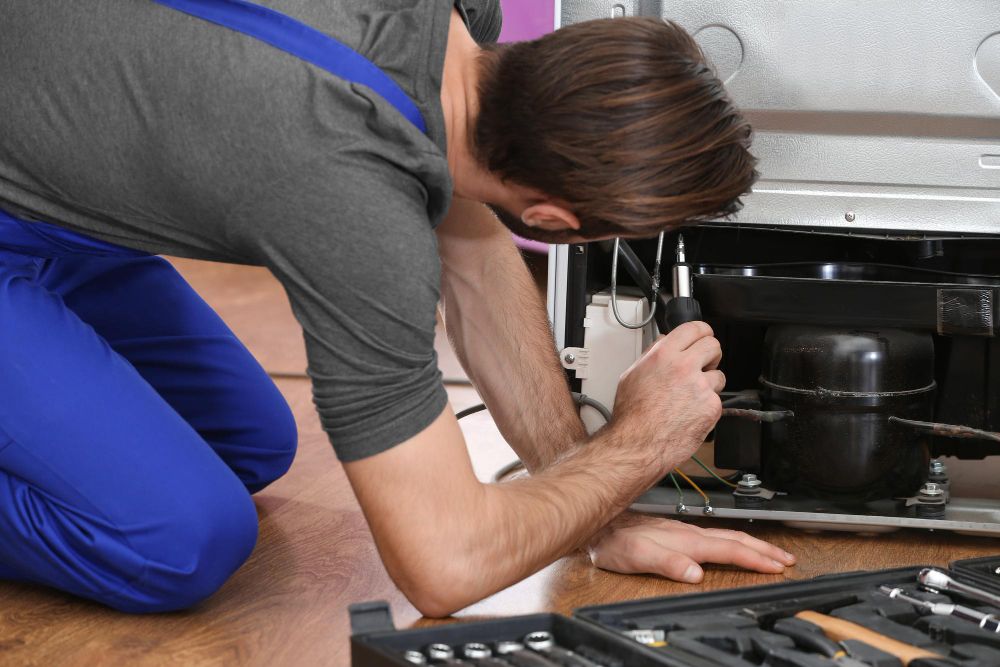
The tools needed for appliance repair depend on the equipment you’re servicing. A core tool kit can handle many jobs, while appliance-specific equipment can be added as needed.
Small appliance repair tools
Small appliances generally require precision rather than heavy-duty equipment. Useful tools include:
- Precision screwdriver set
- Needle-nose pliers
- Multimeter
- Wire cutters and strippers
- Small socket set
- Soldering equipment where appropriate
Before repairing any electrical appliance, disconnect it from its power source and follow the manufacturer’s service procedures.
Common tools for appliance repair technicians
For washers, dryers, dishwashers, ovens, and refrigerators, technicians will regularly rely on screwdrivers, nut drivers, pliers, wrenches, multimeters, voltage testers, and flashlights.
Having a consistent core kit also makes service calls more efficient. Technicians can then keep less frequently used equipment in their vehicle and bring it in when the diagnosis requires it.
If you’re still developing your technical skills, appliance repair certification and professional training can help you learn safe diagnostic and repair procedures before working independently.
Specialty tools and equipment
Specialty equipment becomes more important as technicians take on complex repairs. Depending on your services, this could include gas leak detectors, specialty washer tools, temperature-testing equipment, and refrigeration tools.
Avoid buying expensive specialty equipment simply because it’s available. Consider how frequently you’ll use it, whether the repair requires additional training or certification, and whether purchasing the tool makes financial sense for your business.
How to choose and buy appliance repair tools
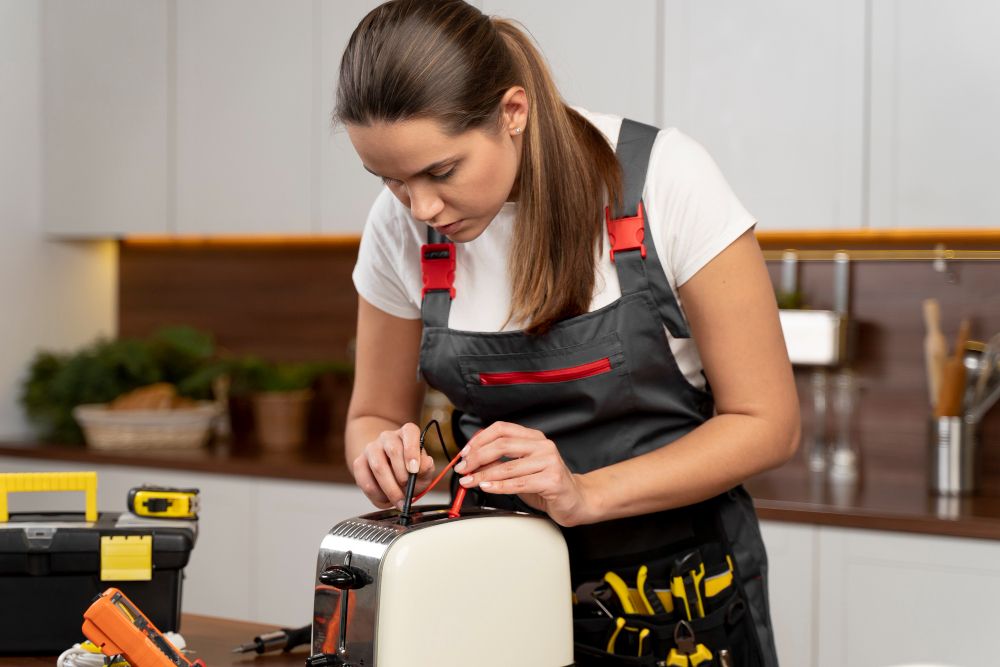
Start with reliable hand and diagnostic tools you’ll use regularly, then expand your appliance repair tool set based on the jobs you encounter.
When comparing tools, consider:
- Build quality and durability
- Manufacturer warranty
- Electrical safety ratings
- Accuracy of diagnostic equipment
- Replacement parts and accessories
- Size and weight
- Frequency of use
- Cost
Professional technicians may benefit from investing more in frequently used equipment such as multimeters, screwdrivers, nut drivers, and pliers. Less frequently used specialty tools don’t always need the same investment.
Appliance repair tools for sale and rental
Most basic appliance repair tools are worth owning because they’re used frequently. Renting can make more sense for expensive specialty equipment required for occasional jobs.
Used equipment can also reduce startup costs, but inspect it carefully before use. Diagnostic and electrical testing equipment should be accurate, undamaged, and suitable for the work being performed.
Think beyond the purchase price. A tool that improves diagnosis, reduces repeat visits, or saves time during repairs may offer better long-term value than the cheapest option.
If you’re planning to work independently, our guide on how to start an appliance repair business covers the wider steps involved, including services, costs, insurance, and finding customers.
Build an appliance repair tool list that works for your business
You don’t need every specialty tool from day one. Start with reliable hand tools and diagnostic equipment, then expand your appliance repair tools list according to the appliances you service and the repairs you encounter most often.
As your service calls increase, software for appliance repair businesses can help you manage estimates, invoices, payments, and customer information in one place, giving you more time to focus on repair work.