Bookkeeping Definition: A Simple Guide for Small Business Owners
Table of Contents
- What Is Bookkeeping?
- How Does Bookkeeping Work?
- Common Bookkeeping Tasks
- Single-Entry vs. Double-Entry Bookkeeping
- Cash vs. Accrual Accounting
- Bookkeeping vs. Accounting: What’s the Difference?
- What Does a Bookkeeper Do?
- Can You Do Your Own Bookkeeping?
- Bookkeeping Best Practices
- Keep Your Books Useful, Not Just Up to Date
- FAQs
Bookkeeping is how you keep track of the money moving in and out of your business. It covers everyday tasks like recording sales and expenses, organizing invoices and receipts, checking bank transactions, and keeping your financial records up to date. Done consistently, it gives you a much clearer view of where your money is going and makes tax time far less stressful.
In this guide, we’ll explain the bookkeeping definition in plain English, how bookkeeping works, what a bookkeeper actually does, and the main methods small businesses use to keep accurate financial records.

What Is Bookkeeping?
Bookkeeping is the day-to-day process of recording and organizing a business’s financial activity. Each time you receive a customer payment, buy materials, pay a bill, or make another business transaction, that information needs to be captured accurately in your records.
The goal is to create a clear history of where your money came from, where it went, and what your business currently owns or owes.
The IRS allows businesses to choose a recordkeeping system suited to their needs, as long as it clearly shows income and expenses.
For a more detailed guide to setting up and managing your books, see our guide to small business bookkeeping.
How Does Bookkeeping Work?
Every sale, payment, bill, and business expense creates a financial record. Bookkeeping is the process of capturing that information, organizing it correctly, and checking that your records match what actually happened.
A basic bookkeeping workflow looks like this:
| Bookkeeping task | What it means |
|---|---|
| Record transactions | Enter sales, purchases, payments, and expenses |
| Categorize transactions | Assign income and expenses to the right accounts |
| Maintain records | Keep invoices, receipts, bills, and other supporting documents |
| Track receivables | Monitor money customers still owe your business |
| Track payables | Monitor bills and other amounts your business owes |
| Reconcile accounts | Compare your records with bank and credit card statements |
| Review reports | Use your records to understand income, expenses, and financial performance |
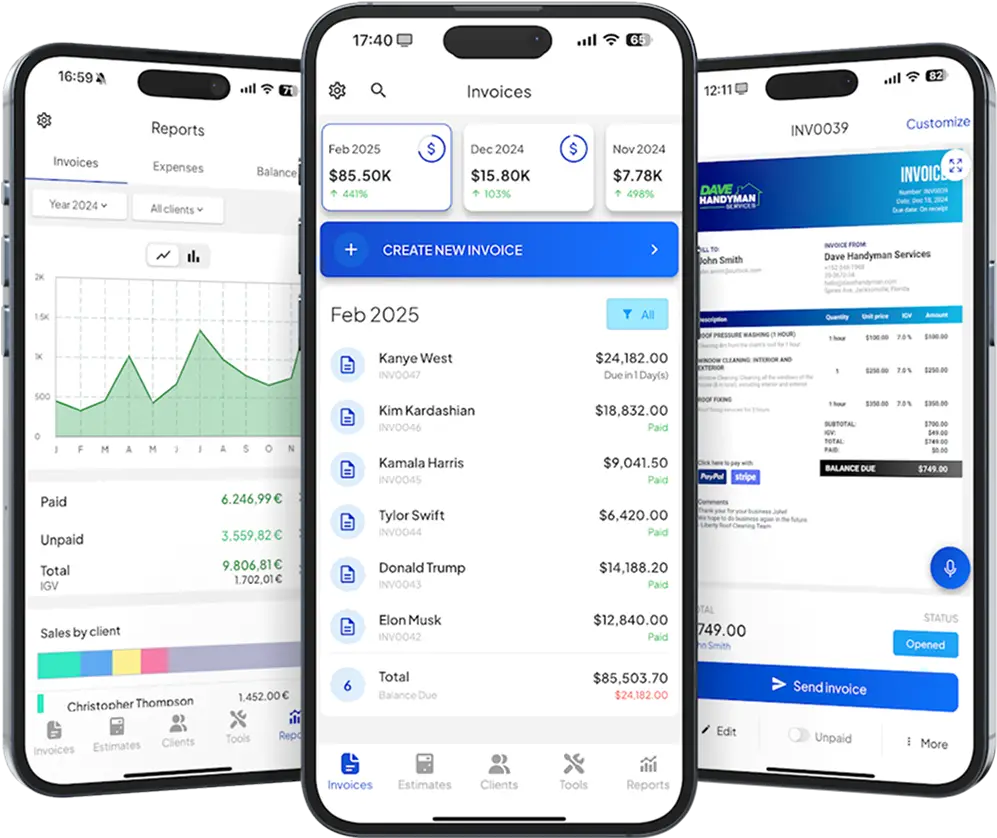
Bookkeeping can be managed with spreadsheets, accounting software, or by a professional bookkeeper. Whatever system you use, consistency matters. The IRS recommends recording transactions regularly and says that, generally, recording them daily is best.
Common Bookkeeping Tasks
Bookkeeping involves more than entering numbers into a spreadsheet. Common tasks include:
- recording sales and customer payments
- entering bills and business expenses
- organizing invoices and receipts
- categorizing income and expenses
- tracking accounts receivable
- tracking accounts payable
- reconciling bank and credit card accounts
- maintaining the general ledger
- reviewing outstanding invoices
- preparing basic financial reports
One especially important task is bank reconciliation, where you compare transactions in your books with your bank statement and investigate anything that does not match.
Keeping these records current makes it easier to catch duplicate charges, missing payments, incorrect entries, and other problems before they pile up.
Single-Entry vs. Double-Entry Bookkeeping
The two main bookkeeping systems are single-entry and double-entry bookkeeping.
Single-Entry Bookkeeping
In a single-entry system, each transaction is generally recorded once. It works somewhat like a checkbook, with money coming in and money going out.
This approach can be enough for a very simple business with a small number of transactions, but it provides a more limited view of the company’s finances.
Double-Entry Bookkeeping
The double-entry bookkeeping definition is a system where every transaction affects at least two accounts. Entries are recorded as debits and credits so the books remain balanced.
For example, if your business buys a $1,000 piece of equipment with cash, the equipment account increases while the cash account decreases.
Double-entry bookkeeping provides the foundation for financial statements such as the balance sheet and is generally better suited to businesses with more complex finances.

Cash vs. Accrual Accounting
Cash and accrual are sometimes described as types of bookkeeping, but they are more accurately accounting methods. They determine when income and expenses are recorded.
Under the cash basis, income is generally recorded when you receive payment and expenses when you pay them.
Under the accrual basis, income is generally recorded when it is earned and expenses when they are incurred, even if the money has not changed hands yet.
For example, if you finish a $2,000 job in June but the customer pays in July, a cash-basis business would generally record that income in July. An accrual-basis business would generally record it when it was earned in June.
Our guide to accrual basis accounting explains this method in more detail.
Bookkeeping vs. Accounting: What’s the Difference?
Bookkeeping and accounting are closely connected, but they are not the same thing.
- Bookkeeping focuses on maintaining accurate financial records. It covers tasks such as recording transactions, organizing expenses, reconciling accounts, and tracking invoices.
- Accounting uses those records to interpret the financial health of the business. Accountants may prepare and analyze financial statements, help with tax planning, evaluate performance, and advise business owners on financial decisions.
A simple way to think about it is that bookkeeping builds the financial record, while accounting uses that record to explain what the numbers mean.
For example, accurate bookkeeping provides the data needed to prepare a profit and loss statement showing whether your business generated a profit or loss during a particular period.
What Does a Bookkeeper Do?
A bookkeeper helps keep a business’s financial records accurate and up to date. Depending on the role, responsibilities may include entering transactions, reconciling accounts, maintaining ledgers, organizing invoices and receipts, tracking receivables and payables, and preparing basic financial reports.
The U.S. Bureau of Labor Statistics describes bookkeeping, accounting, and auditing clerks as workers who compute, classify, record, and verify financial data used to maintain accounting records.
A bookkeeper does not necessarily replace an accountant. Many businesses use a bookkeeper for regular recordkeeping and an accountant for more complex financial reporting, tax matters, or strategic advice.
Can You Do Your Own Bookkeeping?
Yes. Many freelancers, contractors, and small business owners handle their own books, especially when the business is new and the number of transactions is manageable.
DIY bookkeeping may work well when:
- your business finances are relatively simple
- you have a manageable number of transactions
- you understand basic income and expense categories
- you reconcile your accounts consistently
- you have time to keep the records up to date
As the business grows, the time involved can become just as important as the complexity.
Bookkeeping is only one part of business admin, but the hours can add up. InvoiceFly’s Salary & Time Gap Report highlights how much working time skilled-trade professionals can lose to non-billable tasks such as invoicing, quoting, and payment follow-up. If keeping your books consistently is becoming another major drain on your time, that may be a sign to simplify your system or hire help.
You may also want professional support if your accounts regularly fail to reconcile, you are falling behind, or payroll, inventory, taxes, and other financial tasks are becoming more complicated. Our guide on when to hire a bookkeeper can help you decide.
Bookkeeping Best Practices
Whether you do your own bookkeeping or hire someone, a few simple habits can make your records much easier to manage and reduce cleanup later.
- Separate business and personal finances. Use separate business accounts so income and expenses are easier to identify and track.
- Record transactions regularly. Do not let months of bookkeeping pile up. Entering and categorizing transactions consistently makes reconciliation much easier.
- Keep supporting documents organized. Save receipts, invoices, bills, and other records that support the transactions in your books. The IRS lists documents such as invoices, receipts, deposit information, and paid bills among the records businesses may need to keep.
- Reconcile accounts. Compare your bookkeeping records with bank and credit card statements regularly. This helps uncover missing, duplicated, or incorrectly entered transactions.
- Use consistent categories. Avoid creating slightly different categories for the same type of expense. Consistency makes your reports more useful and reduces cleanup later.
- Review receivables and payables. Keep track of which customers still owe you money and which business bills are coming due so there are fewer cash flow surprises.
- Review your financial reports. Do not keep books only for tax season. Check your reports regularly so you can see how the business is performing and make better decisions.

Keep Your Books Useful, Not Just Up to Date
Good bookkeeping gives you more than tidy records. It gives you a reliable view of the money coming into your business, where it is going, and what needs your attention.
You can handle bookkeeping yourself when your finances are straightforward, use software to simplify the process, or hire a professional as the business becomes more complex. What matters most is keeping your records complete, consistent, and current enough to help you make decisions.
For a deeper look at setting up your system, see our guide to small business bookkeeping.