How to Become a Handyman: Step-by-Step Career Guide
Table of Contents
- Is Becoming a Handyman Right for You?
- Core Skills You Need to Learn First
- Step-by-Step Path to Become a Handyman
- Local Rules and Requirements To Become a Handyman
- Get Your First Paying Clients After Becoming a Handyman
- Working Professionally on Every Job
- Growing From Side Hustle to Full-Time Handyman
- Common Mistakes New Handymen Should Avoid
- Your Next Steps to Becoming a Handyman
- FAQs
Wondering how to become a handyman and get paid for skills you already use around the house? Whether you’re looking for a side hustle or hoping to build a full-time business, becoming a handyman is one of the most accessible ways to earn an income without spending years in school. The key is knowing which skills to develop, what your local requirements are, and how to present yourself as a professional from day one.
In this guide, you’ll learn how to become a handyman step by step, from building practical skills and finding your first clients to setting your rates and growing a successful business.
Is Becoming a Handyman Right for You?
Before you dive into how to become a handyman contractor, it helps to figure out if the work actually fits your strengths and lifestyle.
Personality traits that make a great handyman
Successful handymen tend to be patient, detail-oriented, and comfortable solving problems on the fly. Homeowners hire a handyman because they trust that person to show up, communicate clearly, and get the job done without constant supervision.
Physical demands and health considerations
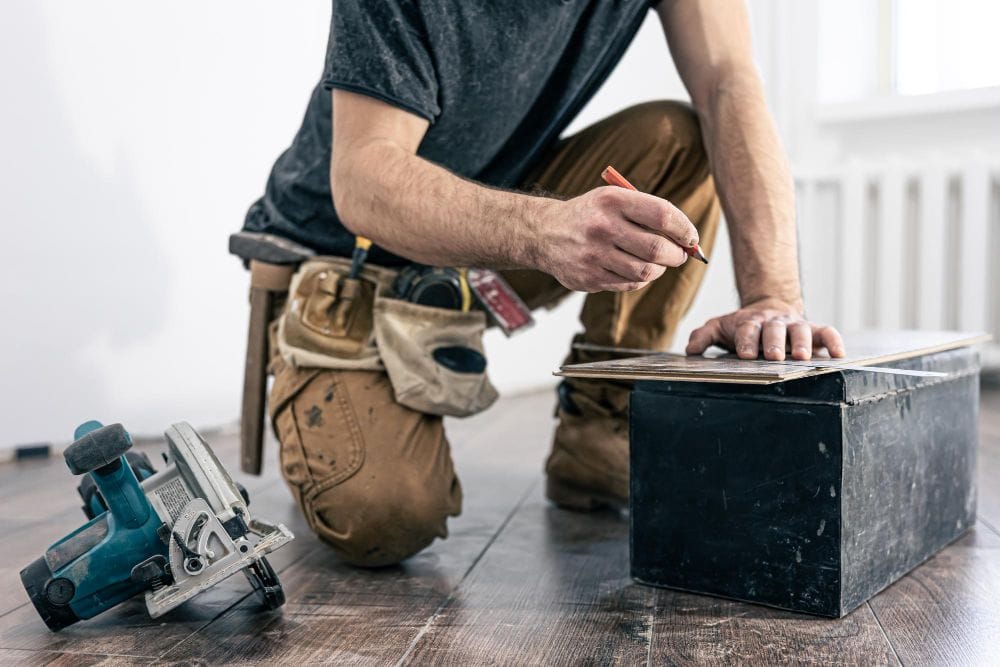
Handyman work involves lifting, kneeling, climbing ladders, and standing for long stretches. Following basic safety guidelines, like those outlined by OSHA, can help you avoid common injuries as you build your handyman services business.
How comfortable are you with working alone and with clients?
Many handymen work solo, which means you’re also the scheduler, salesperson, and customer service rep. If you enjoy independence but can still hold a friendly conversation with a homeowner, you’re off to a good start.
Core Skills You Need to Learn First
You don’t need a college degree to become a professional handyman, but you do need to know how to fix things safely and correctly. Basic handyman qualifications usually come down to hands-on skill and reliability rather than a formal diploma.
Essential repair skills every beginner should master
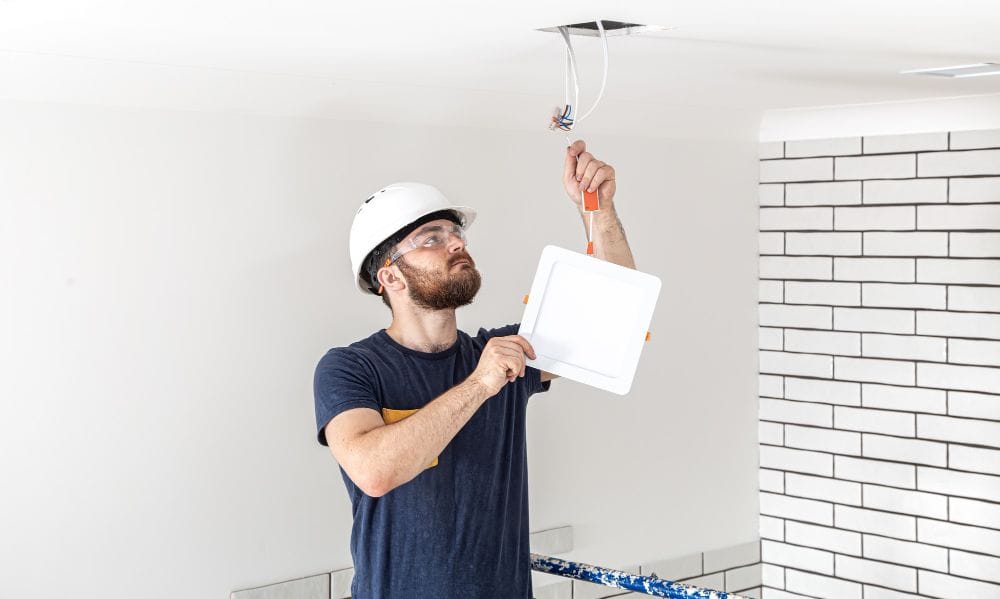
Start with the basics: patching drywall, fixing leaky faucets, hanging shelves, replacing light fixtures, and basic carpentry repairs. These small jobs make up a large share of everyday handyman services requests.
A few essential starter tools will cover most beginner jobs:
- Cordless drill
- Hammer
- Level
- Tape measure
- Set of screwdrivers
- Utility knife
- Sturdy ladder
How to safely learn basic electrical, plumbing, and carpentry
Free tutorials on YouTube are a solid starting point for electrical, plumbing, and carpentry basics. For anything involving major wiring or gas lines, it’s worth working alongside a licensed contractor first so you understand the safety risks before taking on paying clients. This is also a good time to research whether your state offers handyman certifications or licenses, since additional credentials can help you qualify for larger jobs.
Free and low-cost ways to practice your skills at home
Practice on your own home or offer to help friends and family for free. This is one of the best ways to become a handyman with no experience because it lets you build confidence, test out your tools, and start collecting the kind of hands-on experience that matters when clients ask about your background.

Once your basic skills feel solid, the right handyman tools will help you take on bigger jobs with confidence.
Step-by-Step Path to Become a Handyman
So how long does it take to become a handyman? For most people, it’s less about a set timeline and more about steadily building skills and a client base, often over several months to a year.
Step 1: Start Small by Helping Friends, Family, and Neighbors
Your first jobs don’t need to be glamorous. Fixing a squeaky door or patching a hole in drywall for someone you know is a low-risk way to practice, build confidence, and develop a track record.
Step 2: Collect Testimonials and Before-and-After Photos
After each small job, ask for a short testimonial and take before-and-after photos. This content becomes the backbone of your future marketing and helps build trust with new clients.
Step 3: Start Charging for Your Work
Once you’re consistently doing quality work, it’s time to start charging. Research local rates, decide whether you’ll charge by the hour or by the job, and present your pricing professionally.
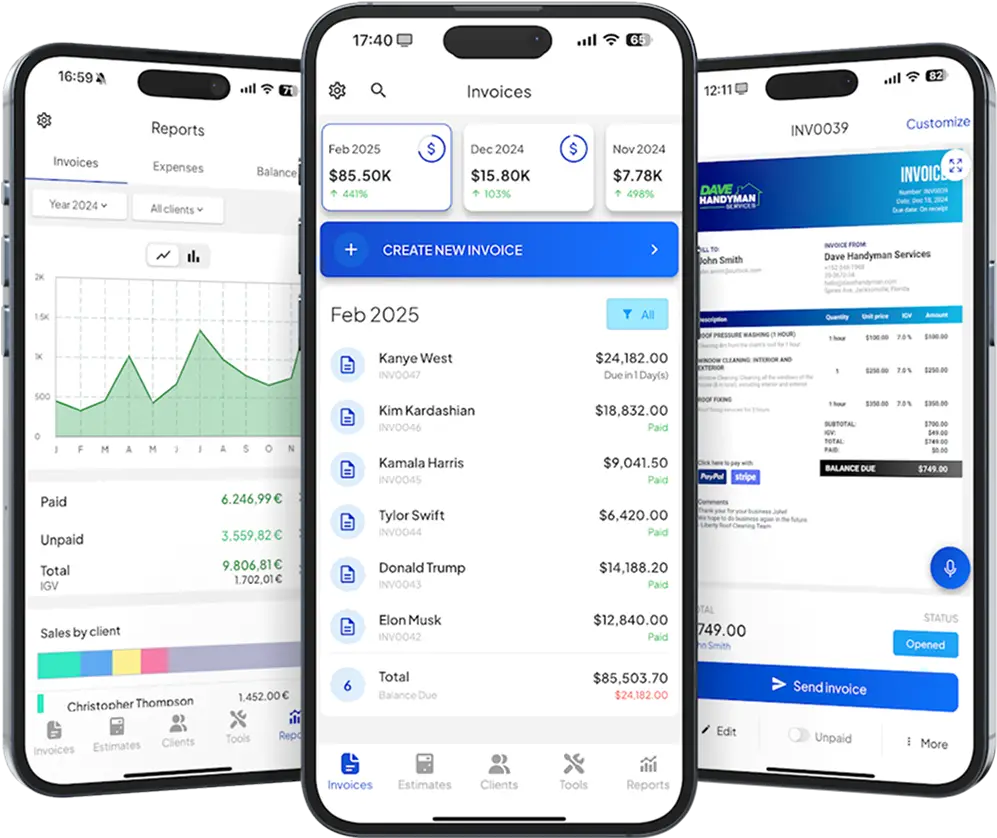
Step 4: Send Professional Estimates and Invoices
Sending clean, professional invoices from day one builds trust. Using an Invoice maker makes it easy to look established, even if you’re brand new. A free handyman invoice template is a good option if you want a head start.
Local Rules and Requirements To Become a Handyman
Rules for handymen vary widely by city and state. Some states allow you to perform repair work below a certain contract value without a license, but those limits vary by state. Larger jobs, like electrical rewiring or room additions, usually require a licensed contractor.
Check your state or local government’s website to confirm the exact rules in your area, and review this guide on how to start your handyman business for a broader look at licensing across the industry. If you’re aiming to become a licensed handyman rather than working under the small-job limit, your state’s contractor licensing board is the best place to start.
You’ll also want general liability insurance to protect yourself if something goes wrong on a job. This handyman insurance guide walks through your options.
Get Your First Paying Clients After Becoming a Handyman
Using neighborhood groups, word of mouth, and local boards
Nextdoor, local Facebook groups, and community bulletin boards are some of the easiest ways to find your first paying clients without spending money on ads.
Writing a simple services list that attracts the right clients
A clear, specific list of handyman services helps potential clients know exactly what you offer, from drywall repair to shelf installation, so they can book you with confidence.
How to talk about your experience when you’re just starting out
Focus on the results you’ve delivered, not the number of years you’ve worked. Homeowners care more about quality and reliability than how long you’ve been in business. Once you have a few completed jobs behind you, platforms like Thumbtack, TaskRabbit, and Handy can help you reach even more clients while you build your own reputation.

Working Professionally on Every Job
Show up on time, communicate clearly about pricing, and put agreements in writing. A simple handyman contract protects both you and your client and helps you look like a true professional handyman from your very first job.
Growing From Side Hustle to Full-Time Handyman
According to the BLS, maintenance and repair work remains a steady source of demand across the country. As your business grows, the Invoice Fly Salary & Time Gap Report 2026 found that home service professionals spend 20–30% of their working time on non-billable admin like estimates, invoicing, and payment follow-ups. A dedicated handyman software can help reduce that workload.
Tip! As you grow, you’ll also want to revisit how you price handyman jobs and compare your rates with our handyman salary guide to help increase your profitability.
Common Mistakes New Handymen Should Avoid
- Underpricing your work just to win jobs
- Skipping insurance to save money early on
- Failing to check local licensing rules before taking bigger jobs
- Not tracking expenses or income from the start
Your Next Steps to Becoming a Handyman
Learning how to become a handyman is really about stacking small wins: build your skills, understand your local rules, get insured, and start collecting happy clients. From there, growing into a full handyman business is simply a matter of consistency and good systems. For more on getting started the right way, revisit this guide on how to start your handyman business whenever you need a refresher.