Plumbing Lead Generation: 24 Strategies to Keep Your Schedule Full
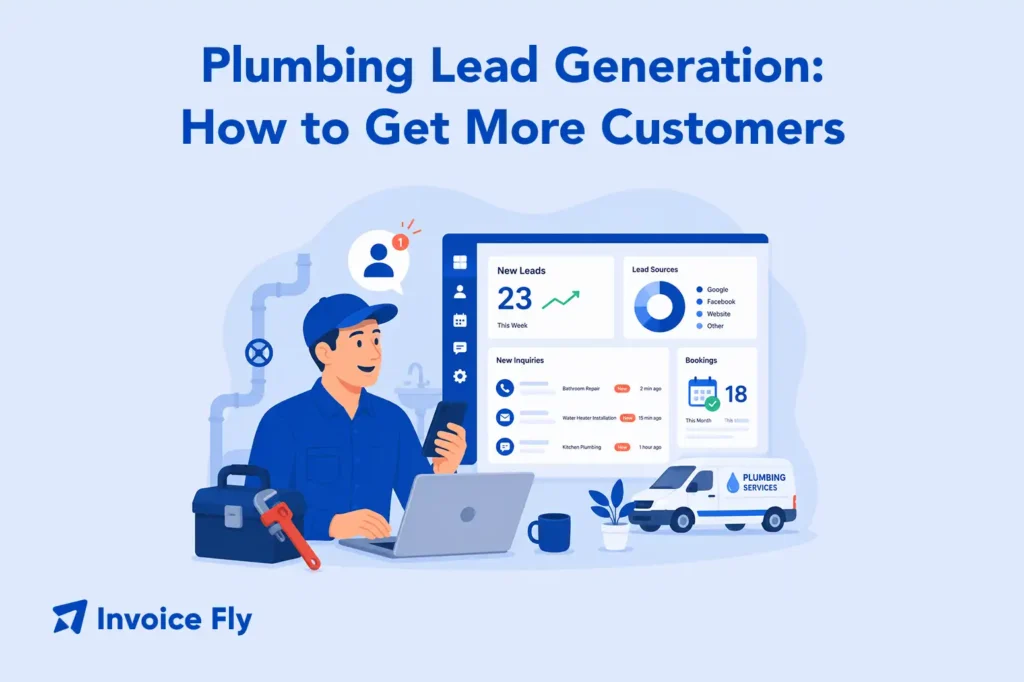
Table of Contents
Plumbing lead generation is what keeps your schedule full and your business growing. Whether you’re looking for more emergency service calls, water heater installations, or recurring commercial work, the goal is the same: attract qualified prospects and turn them into booked jobs. The most effective plumbing lead generation strategies combine fast-response channels like Google Local Services Ads and pay-per-click campaigns with long-term assets such as local SEO, customer reviews, and referral partnerships. Together, these create a plumbing lead generation system that delivers both immediate opportunities and a steady flow of future work.
In this guide, you’ll learn how to get plumbing leads for your business, when it makes sense to use plumbing lead generation services, and 24 proven ways to generate your own high-intent plumbing leads.

How to Get Plumbing Leads for Your Business
There are two main approaches to plumbing lead generation: buying leads from a service or generating them yourself. Most successful plumbing companies use a mix of both.
Using Plumbing Lead Generation Services
Plumbing lead generation services like Angi, Thumbtack, and HomeAdvisor sell contact information for homeowners actively looking for plumbers. The benefit is speed. The downside is cost and quality: leads are often shared with multiple plumbing contractors, so you’re competing on price before you answer the phone. A plumbing lead generation agency takes a different approach, building and managing your own marketing channels on your behalf. Use paid lead services to fill schedule gaps. Invest in your own channels to reduce dependence on them over time.
Generating Your Own Leads
Generating your own plumbing leads takes more upfront effort, but produces better-quality leads at a lower long-term cost. Homeowners who find you through Google or a referral already trust you before they call, which means higher conversion rates and less price shopping. The strategies below cover every major channel so you can build a lead generation system that fits your market.
For a full overview of building a profitable plumbing operation, see our guide on how to start a plumbing business.
24 Ways to Generate Your Own Plumbing Leads

1. Optimize Your Google Business Profile (GBP). Your Google Business Profile is your highest-ROI free marketing asset. Fill out every field, add service areas, upload job photos regularly, respond to every review, and post weekly updates. For many plumbing companies, a well-optimized Google Business Profile generates more calls than any other free marketing channel.
2. Improve Local SEO for “Near Me” Searches. Add city-specific service pages, use your location in page titles, and build local citations across directories. A strong plumbing SEO strategy compounds over time, bringing in organic leads month after month.
3. Build a High-Converting Plumbing Website. Your website for plumbers needs a phone number in the header, a clear service area, trust signals like licenses and insurance, and a simple quote request form. A fast, mobile-optimized site is more likely to convert visitors than a slow or outdated one.
4. Create Service-Specific Landing Pages. Build dedicated pages for water heater repair, drain cleaning, and emergency plumbing. Each page can rank independently for high-intent searches.
5. Offer 24/7 Online Booking. Many homeowners search for emergency plumbing services outside business hours. A simple contact form with a fast response time captures leads your competitors miss.
6. Run Google Search Ads (PPC). Target high-intent keywords like “burst pipe repair” or “water heater installation near me.” Use negative keywords to filter out DIY searches that won’t convert into paying plumbing jobs.
7. Use Google Local Services Ads. LSAs appear above regular paid search results with a “Google Guaranteed” badge, and you pay per lead rather than per click. They can be one of the most efficient paid channels for plumbing companies because you only pay for direct contact.
8. Advertise on Facebook and Instagram. Target homeowners by zip code and homeownership status. Before-and-after videos and seasonal promotions work especially well for non-emergency plumbing services.
9. Set Up Retargeting Ads. Most website visitors don’t call on the first visit. Retargeting follows those visitors with reminders of your services and converts at a higher rate than cold traffic.
10. List on Lead Marketplaces and Directories. Make sure your plumbing company is listed on Yelp, Angi, and Nextdoor. Consistent NAP information across all listings also strengthens your local SEO.
11. Publish Localized Plumbing Blog Content. Blog posts answering questions like “signs of a hidden pipe leak” attract homeowners at the research stage and build your authority as a local expert.
12. Offer Lead Magnets and Free Inspections. A free inspection or a seasonal maintenance checklist gives potential customers a low-risk reason to engage, and puts them in your follow-up system.
13. Create Short-Form Plumbing Videos. Job site walkthroughs and before-and-after clips on TikTok, Instagram Reels, and YouTube Shorts build visibility and trust. According to the BLS, plumbers work across residential, commercial, and industrial settings, which gives you plenty of content to draw from.
14. Host Educational Workshops or Webinars. A free 30-minute session on winterizing pipes or avoiding common plumbing mistakes builds authority and generates warm leads who already trust your expertise.
15. Automate Review Collection After Jobs. Send an automated text or email after every completed job with a direct link to leave a Google review. A steady stream of recent reviews boosts both your GBP ranking and your conversion rate.

16. Launch a Customer Referral Program. Give satisfied customers a reason to refer you: a discount on their next service call or a gift card. A structured referral program turns one happy client into a consistent source of new leads.
17. Nurture Leads with Email Marketing. An email list keeps you in touch with past inquiries through seasonal maintenance reminders and helpful tips until they’re ready to hire.
18. Reactivate Past Customers with Campaigns. A simple “we haven’t heard from you” email or text with a seasonal promotion consistently outperforms cold outreach because the relationship already exists.
19. Partner with Real Estate Agents and Property Managers. One strong relationship with a busy agent or property manager can generate dozens of plumbing jobs per year from inspections, repairs before listing, and move-in fixes.
20. Build Cross-Referral Deals with Other Trades. HVAC companies, electricians, and general contractors regularly get asked for plumber referrals. A mutual referral arrangement costs nothing and produces warm, pre-qualified leads.
21. Engage in Local Community and Neighborhood Apps. Answer plumbing questions on Nextdoor and local Facebook groups. Make it easy for people to tag you when a neighbor asks for a plumber.
22. Sponsor Local Events and Organizations. Sponsoring a community event or local charity puts your name in front of hundreds of homeowners in your service area and builds the kind of recognition that influences hiring decisions.
23. Do Direct Outreach to High-Value Accounts. Property management companies, restaurants, and multi-unit buildings can provide recurring commercial plumbing work worth far more per relationship than individual residential calls.
24. Implement a Lead Tracking and Optimization System. Track where every call and form submission comes from, and cut what isn’t working. Studies consistently show that businesses that contact new leads within a few minutes are significantly more likely to book the job than those that wait hours or days to respond. Reliable plumbing software helps you manage incoming leads, follow up fast, and convert more inquiries into booked plumbing jobs.

Conclusion
A strong plumbing lead generation system doesn’t rely on any single channel. The most consistently full schedules come from combining fast-response paid ads with long-term SEO, steady review generation, and a referral network that keeps working even when ad budgets are paused.
Start with your Google Business Profile and local SEO. Add one paid channel. Build your referral relationships. Then expand as your budget and capacity grow.
Every lead you convert also needs professional follow-through. Before sending paperwork to a new lead, make sure you understand what an estimate is, how it differs from a quotation, when to send an invoice, how billing works, and when to issue a receipt. A polished plumbing estimate template and a clean plumbing invoice template reinforce the trust your marketing worked hard to build. For everything else you need to grow a profitable plumbing business, see our full guide on how to start a plumbing business.