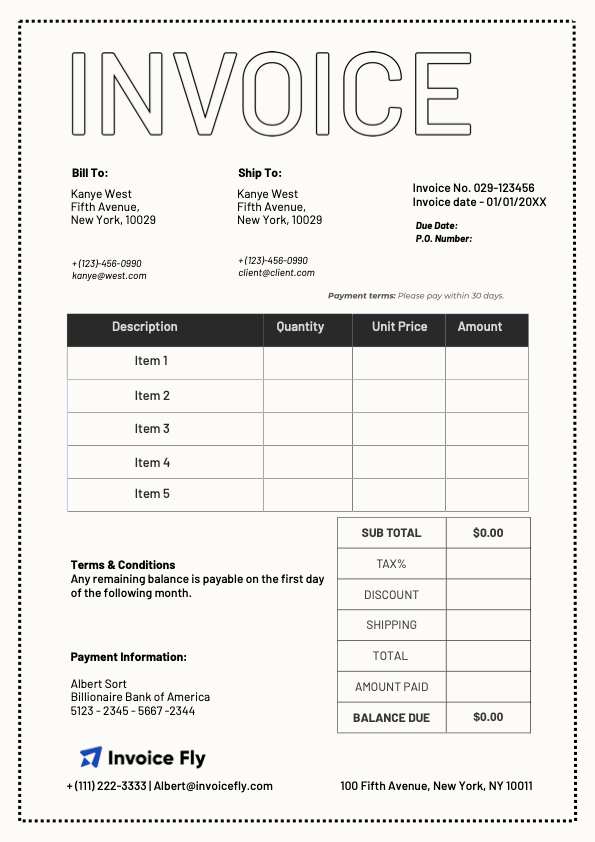
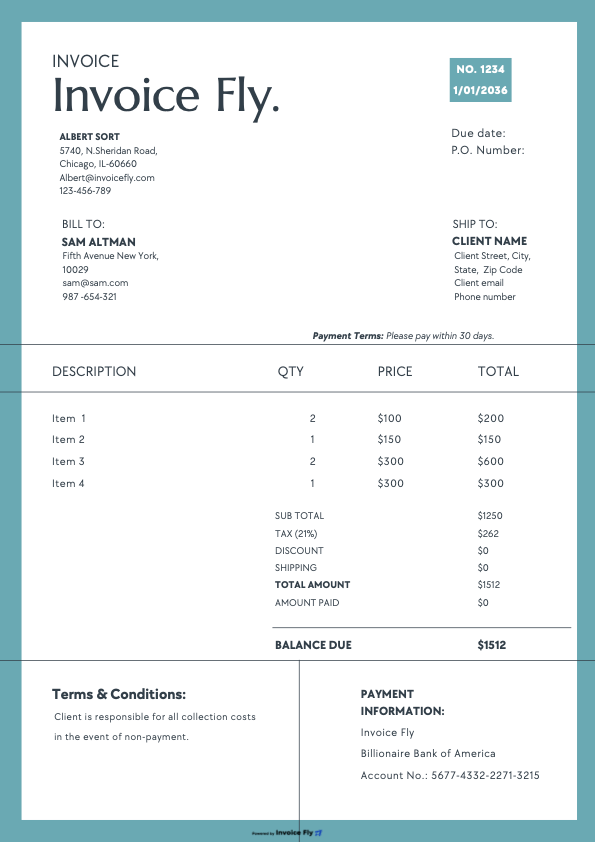
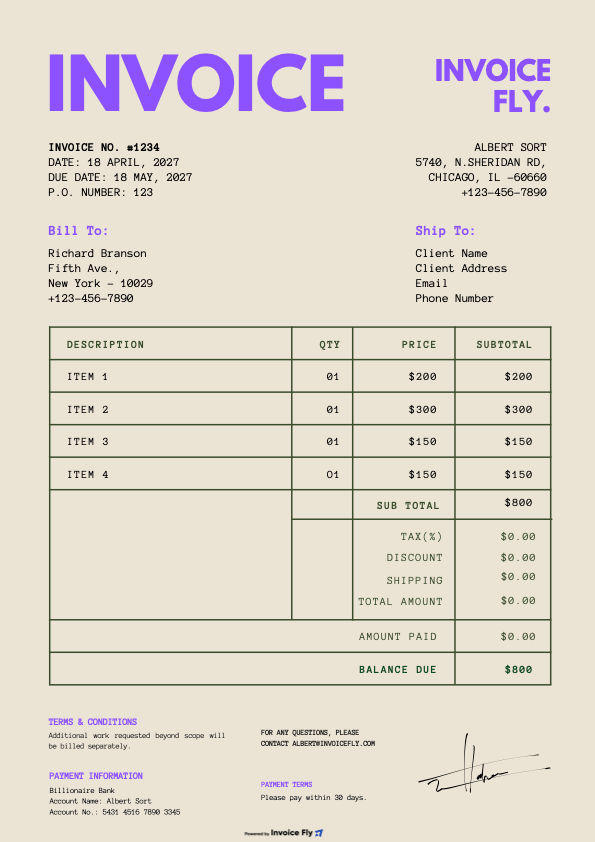
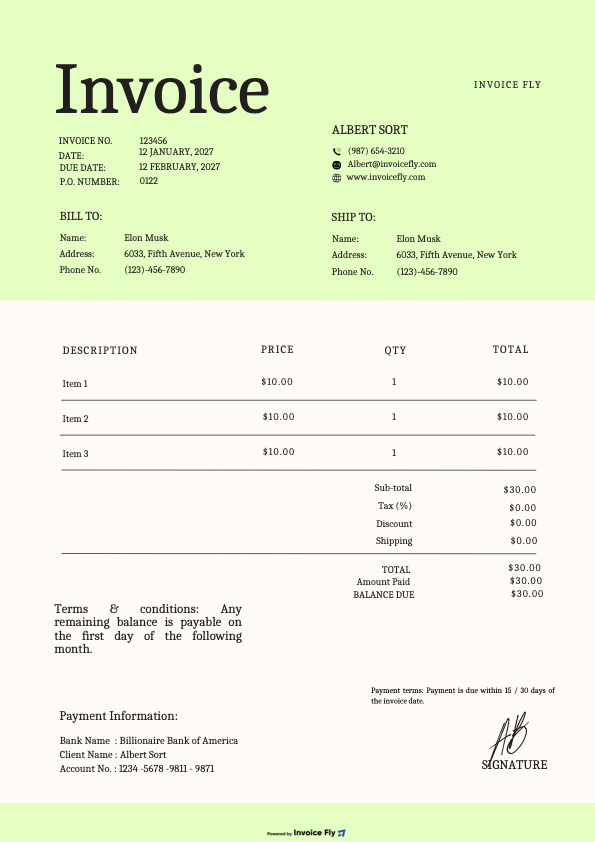
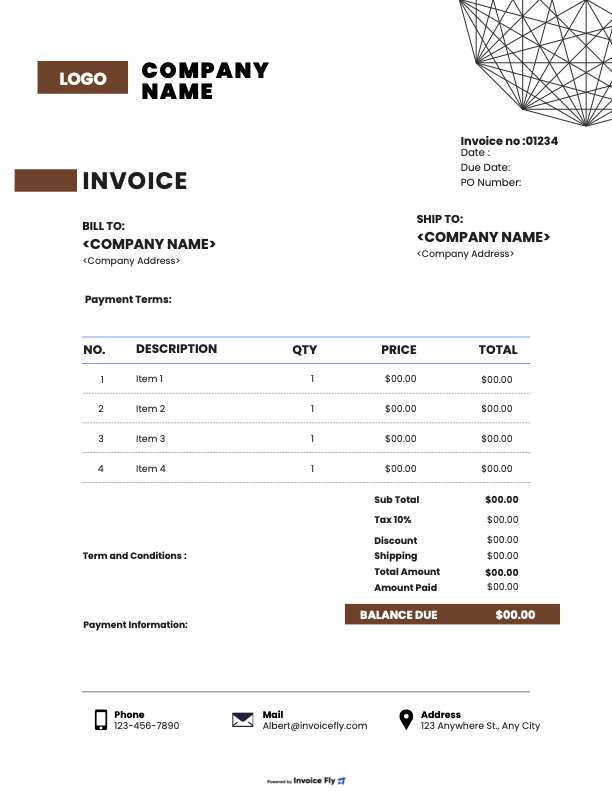
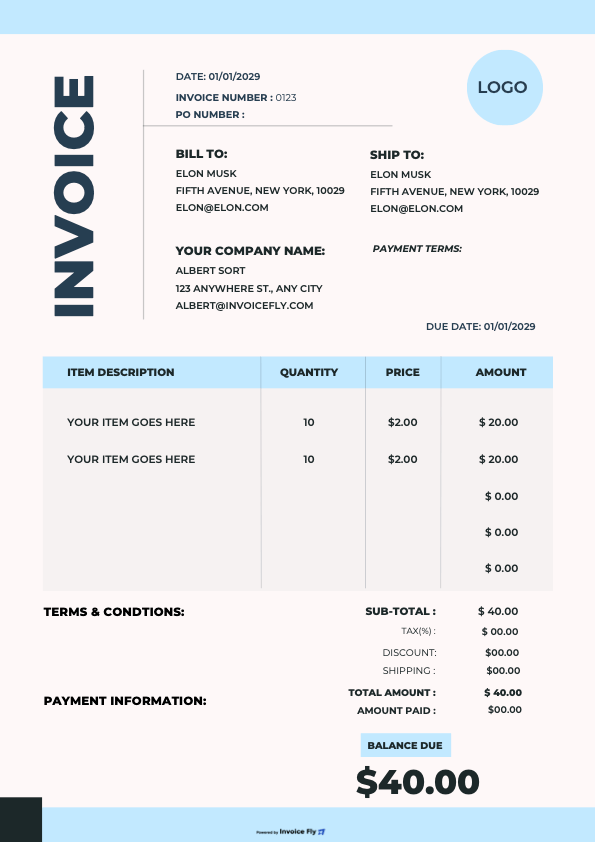
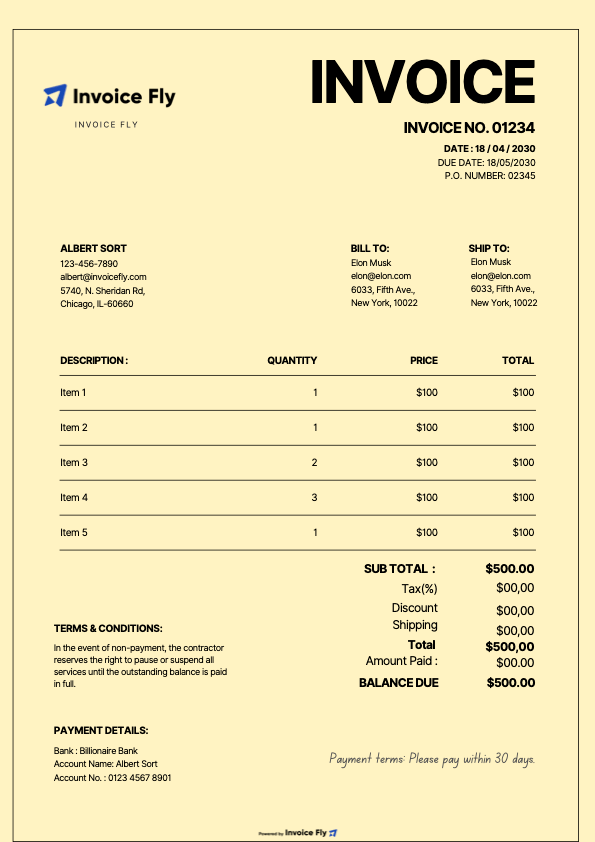
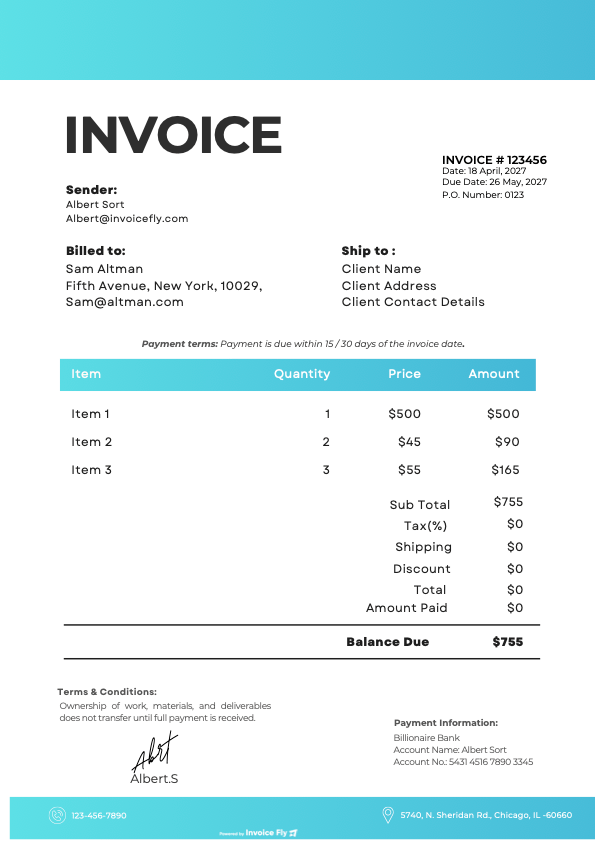
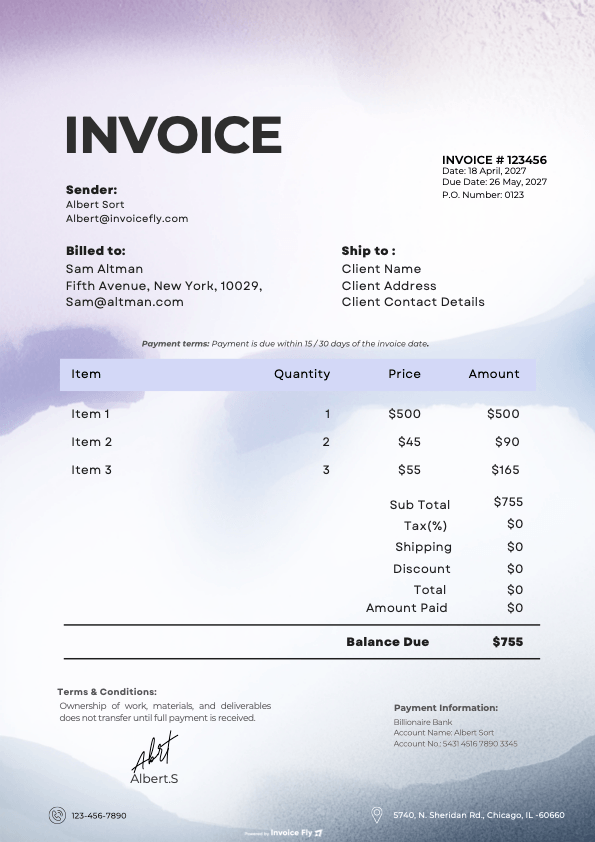
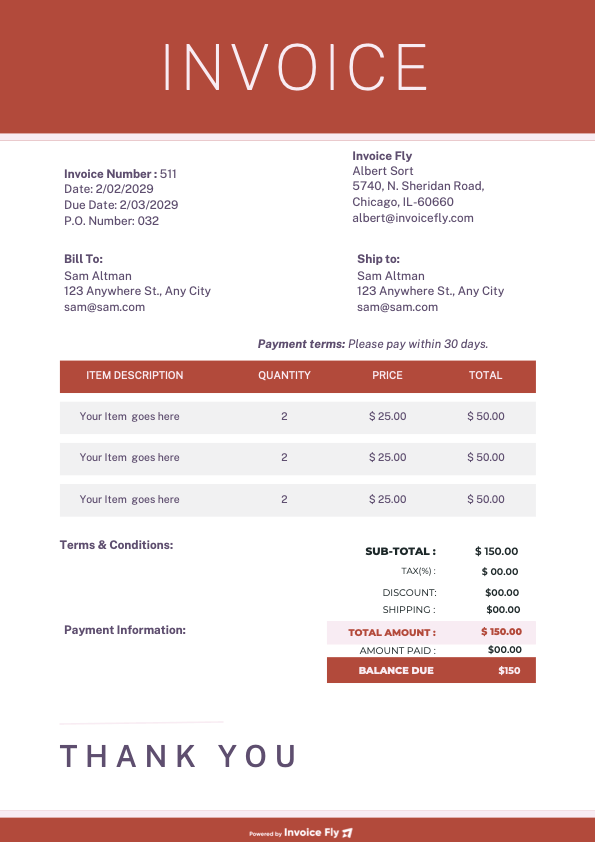
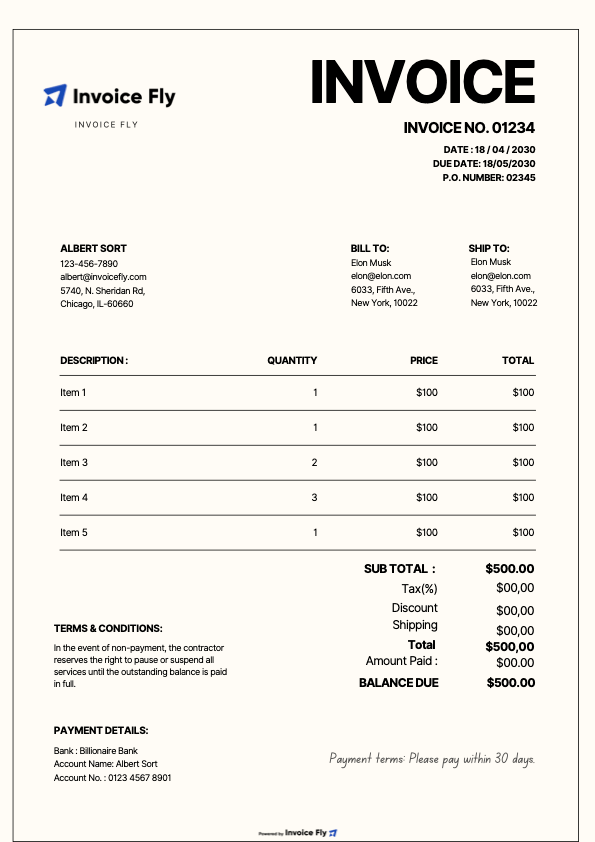
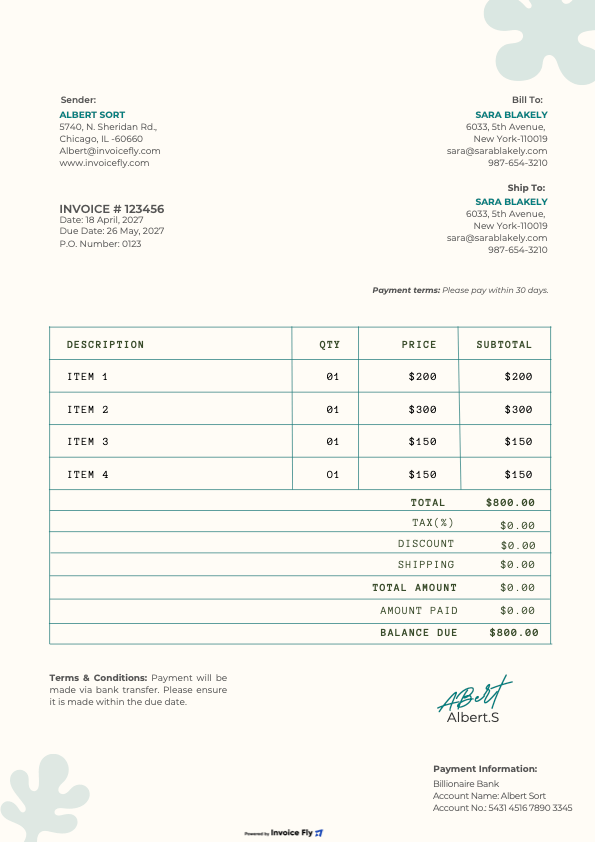
Free Handyman Invoice Template

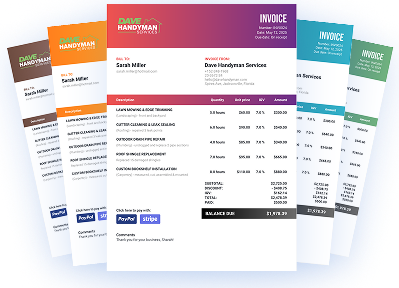
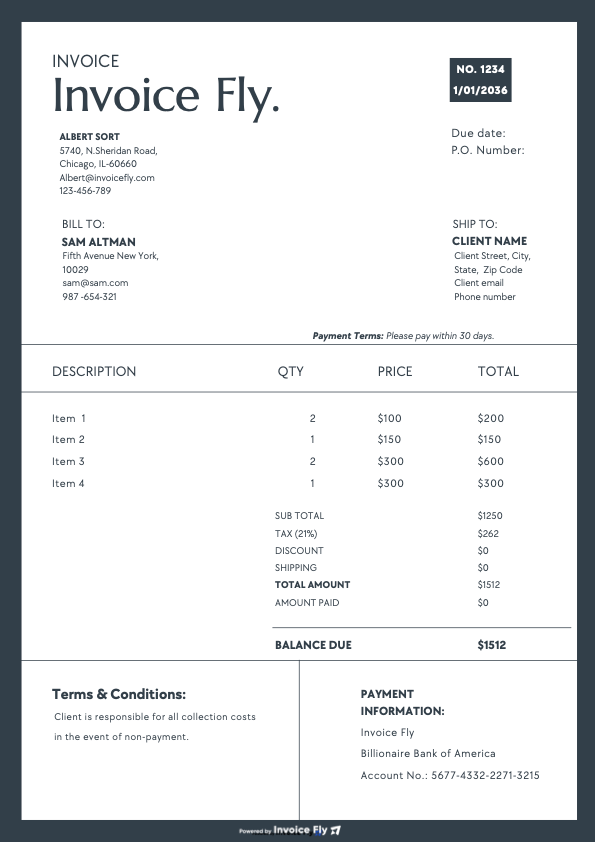
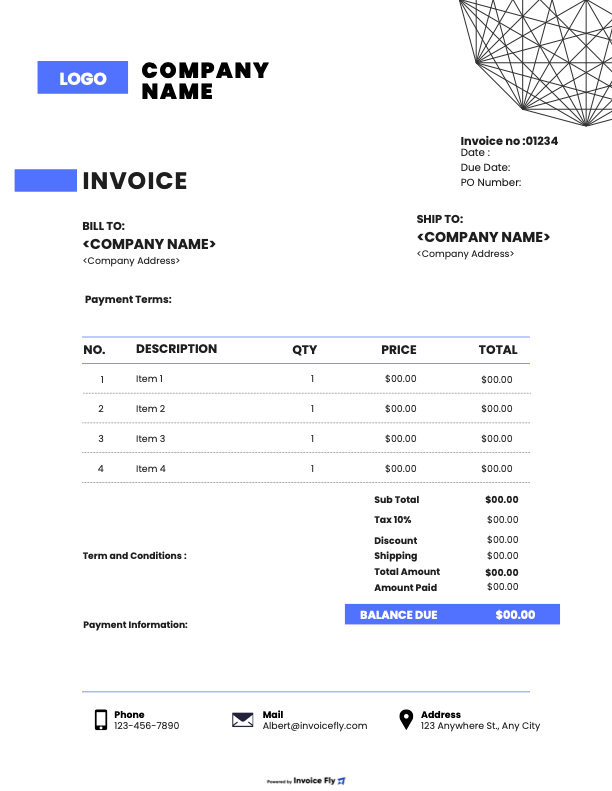
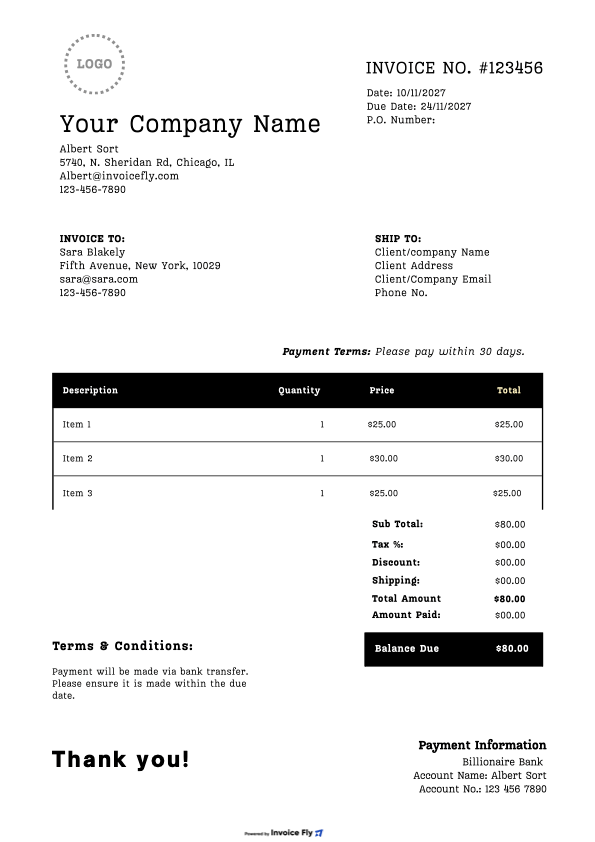
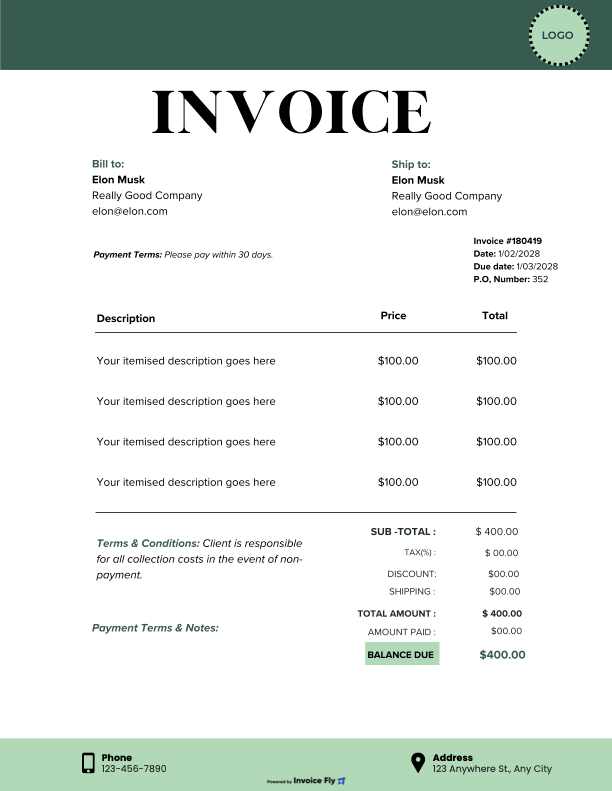
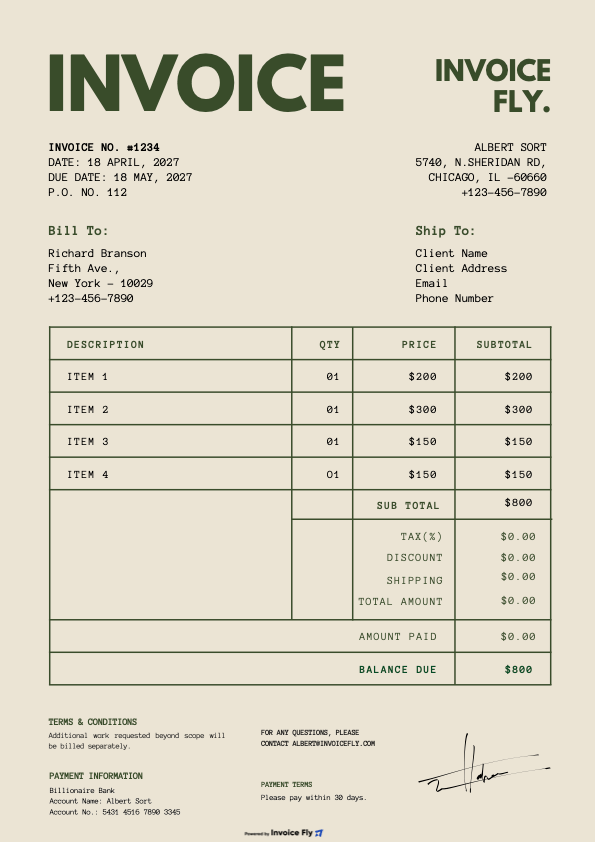
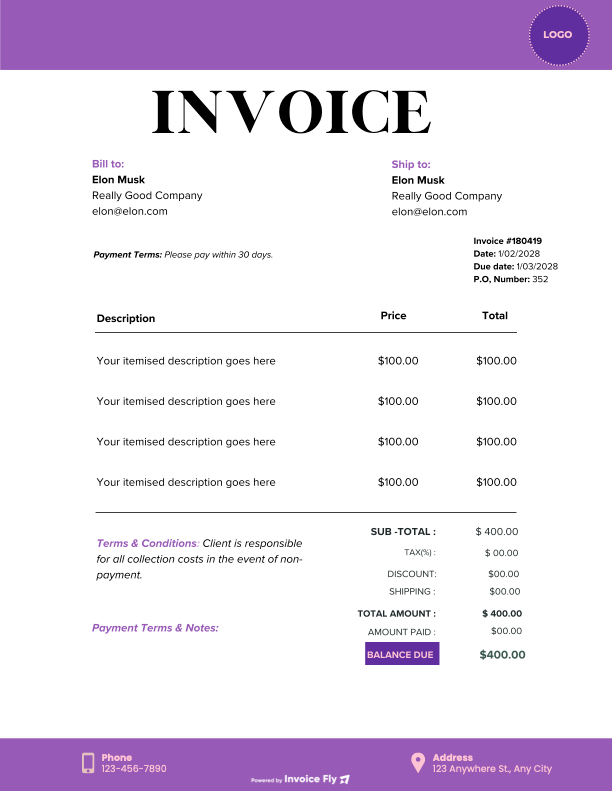
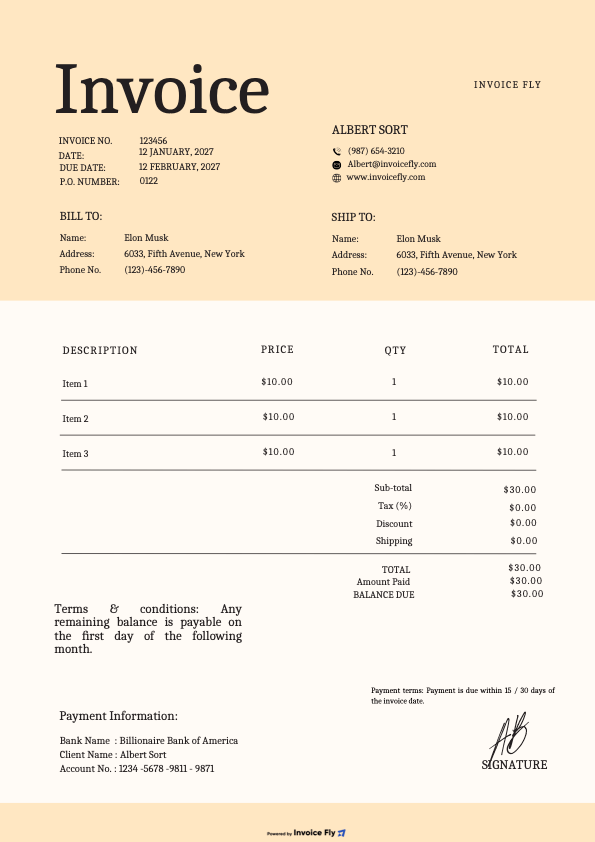
Create professional handyman invoices for repairs, installations, maintenance, and service calls. Customize your invoice with labor, parts, and material costs, then download it in PDF, Word, Excel, Google Docs, or Google Sheets.

Colors

Styles

Formats

Industry

Benefits of Using Handyman Invoice Templates

A handyman invoice template helps you bill clients for repairs, installations, and maintenance while keeping your business organized. Here’s how it can help:

  • Look Professional

    Customize your handyman invoice with your business name, logo, contact details, and a clear breakdown of services to build trust with clients.

  • Keep Track of Job Costs

    Itemize labor, parts, materials, and service charges so clients can see exactly what they’re paying for.

  • Save Time on Invoicing

    Reuse handyman invoice templates for different jobs instead of creating every invoice from scratch.

Digital handyman invoice templates also make it easier to keep records organized and access your invoices when you need them, without relying on paper copies.

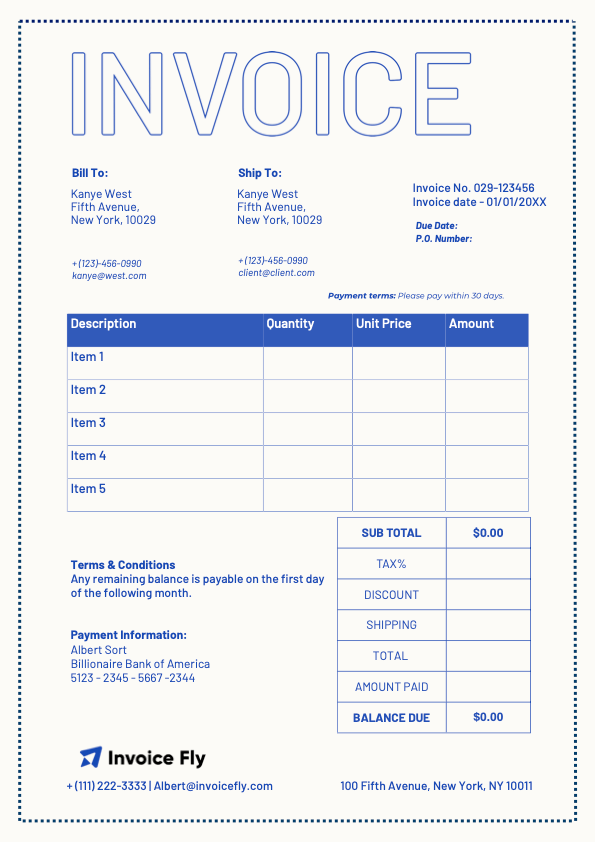
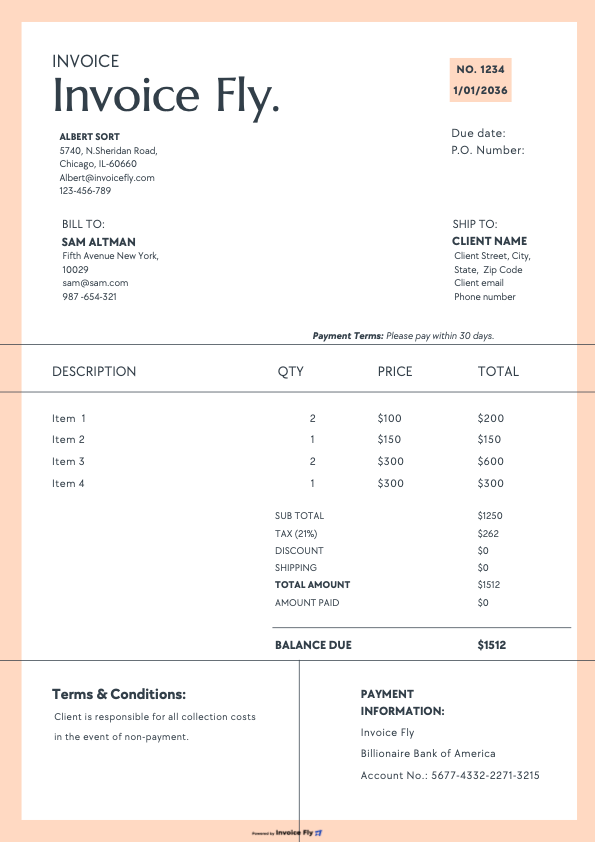
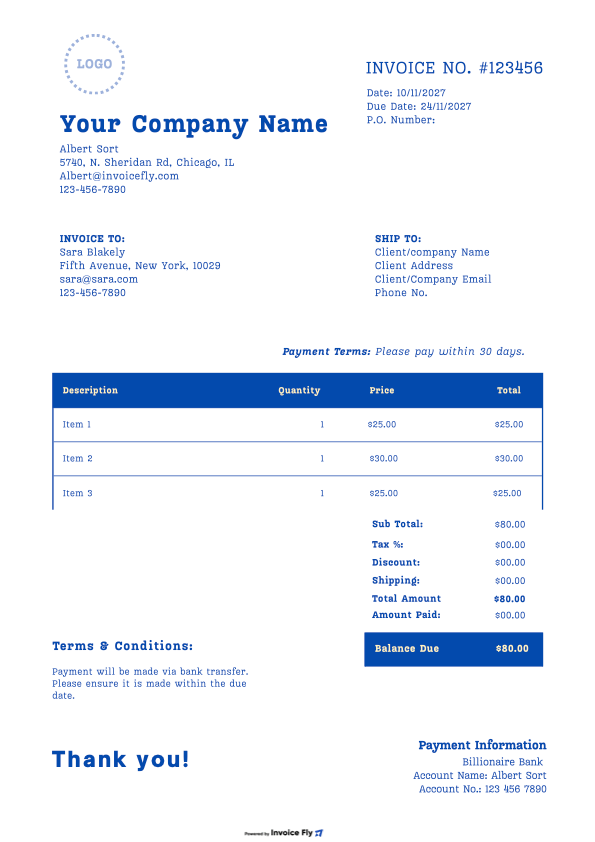
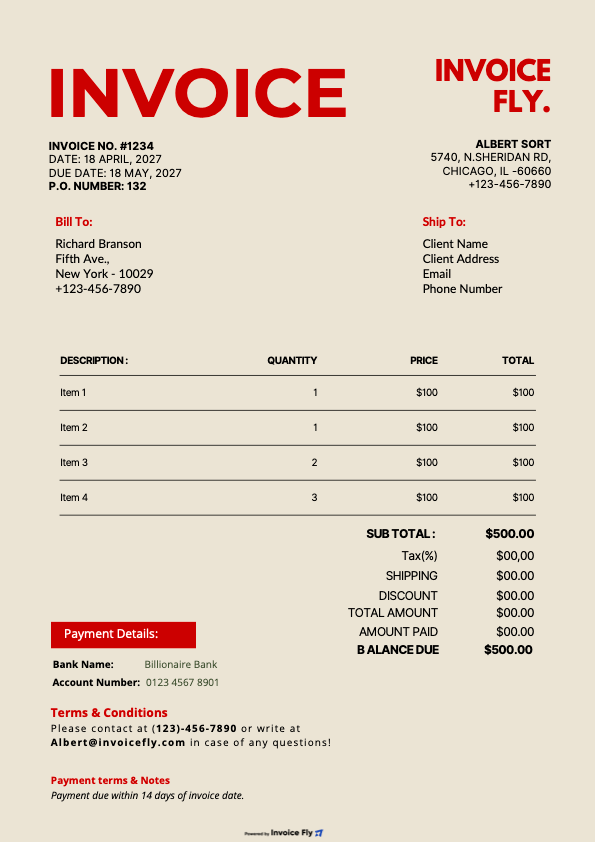
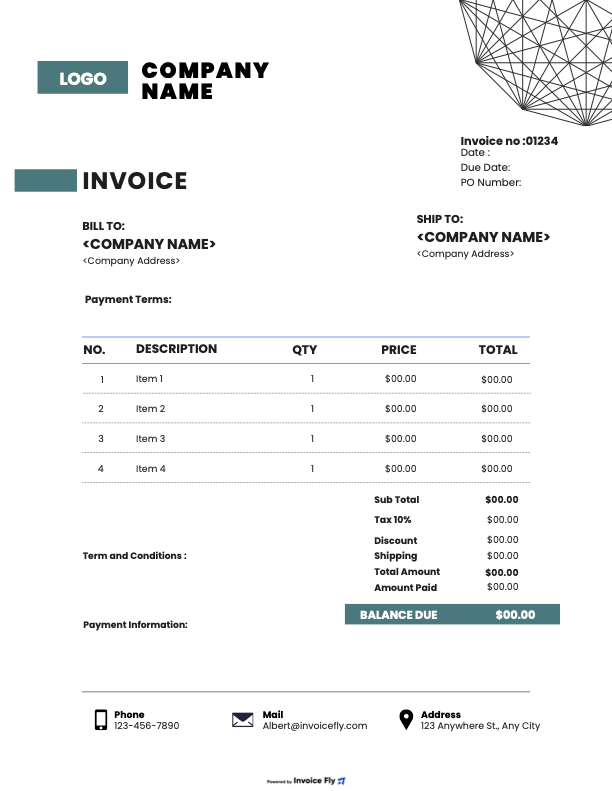
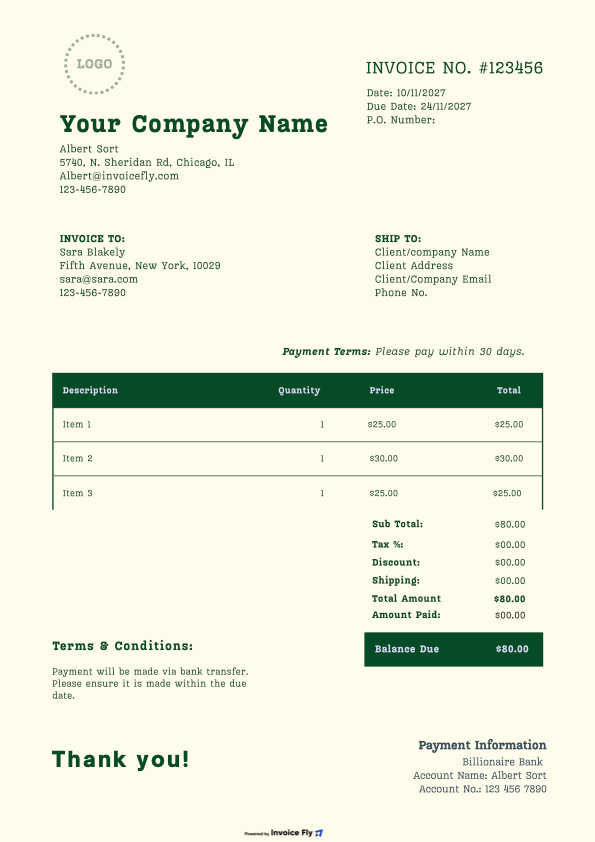
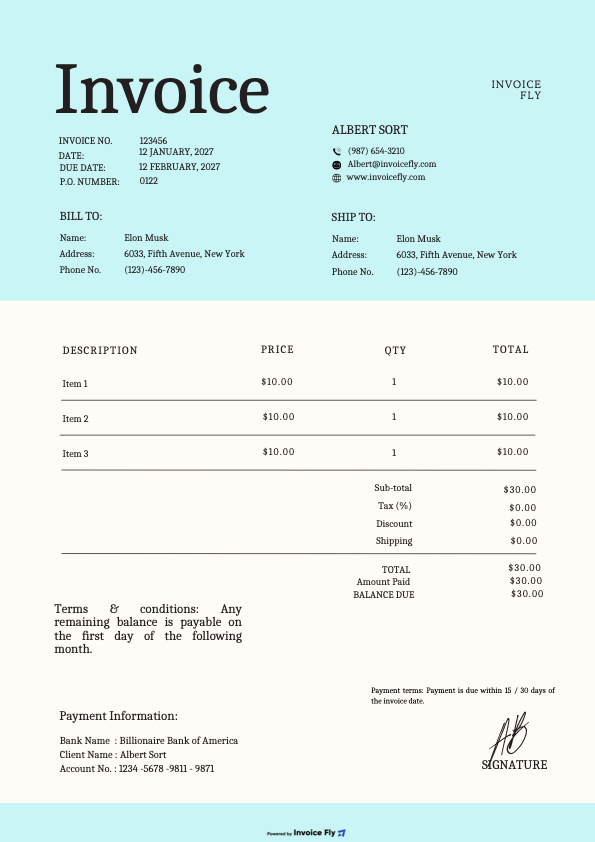
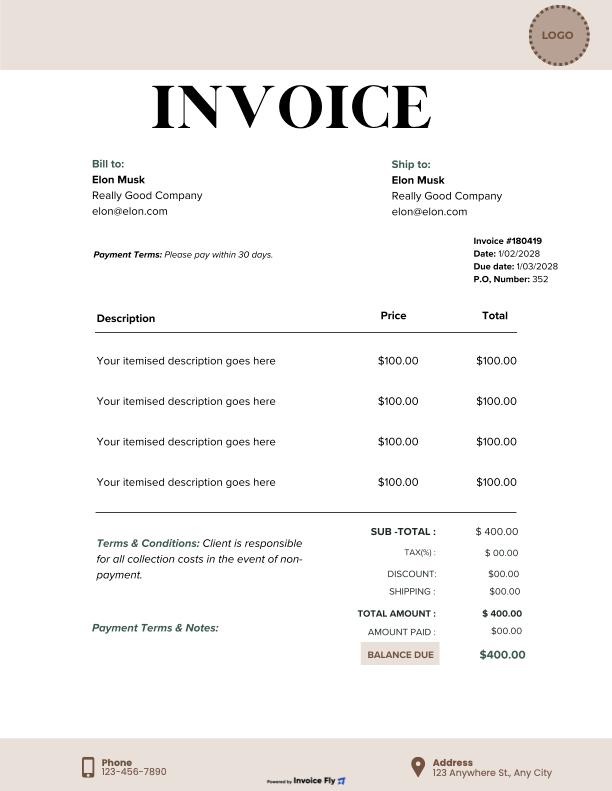
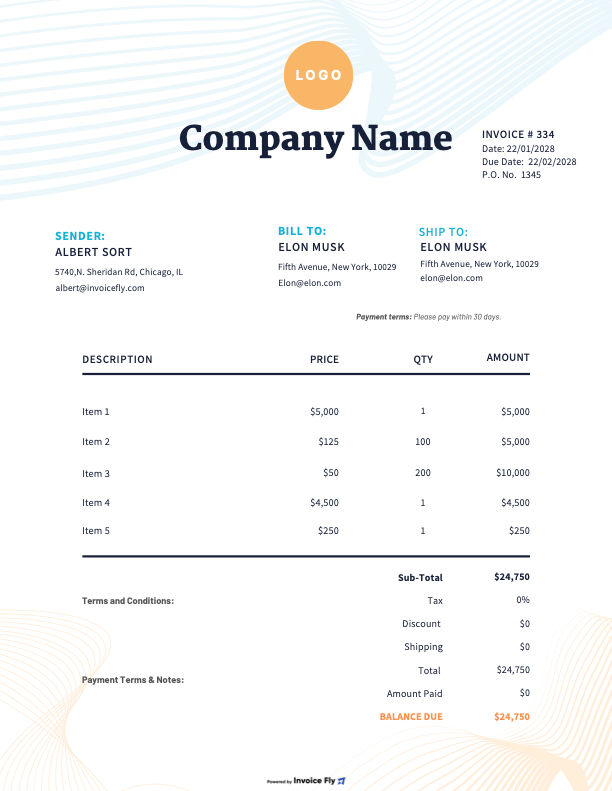
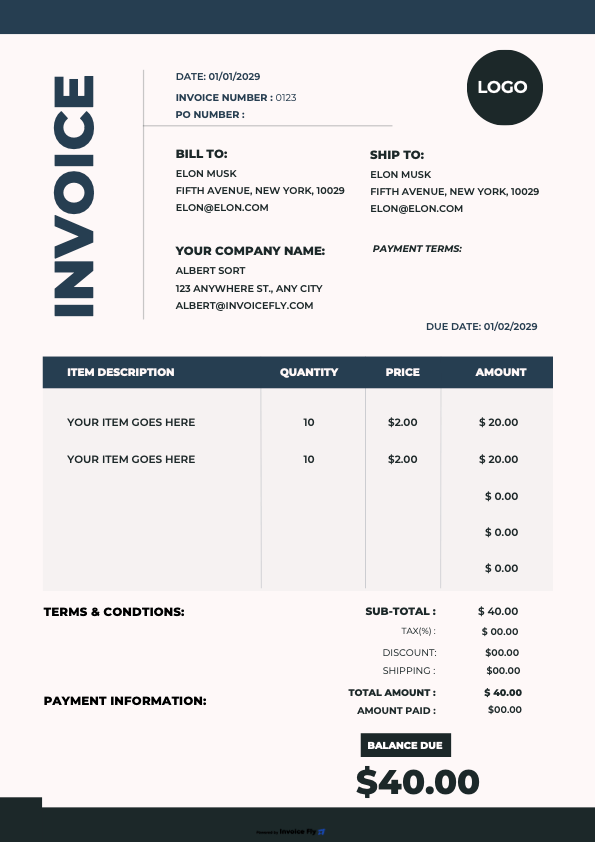
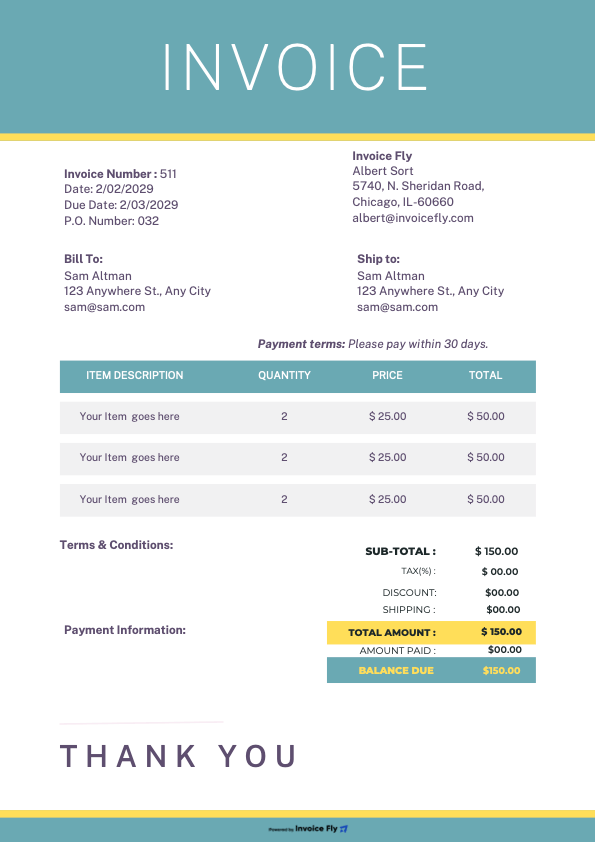
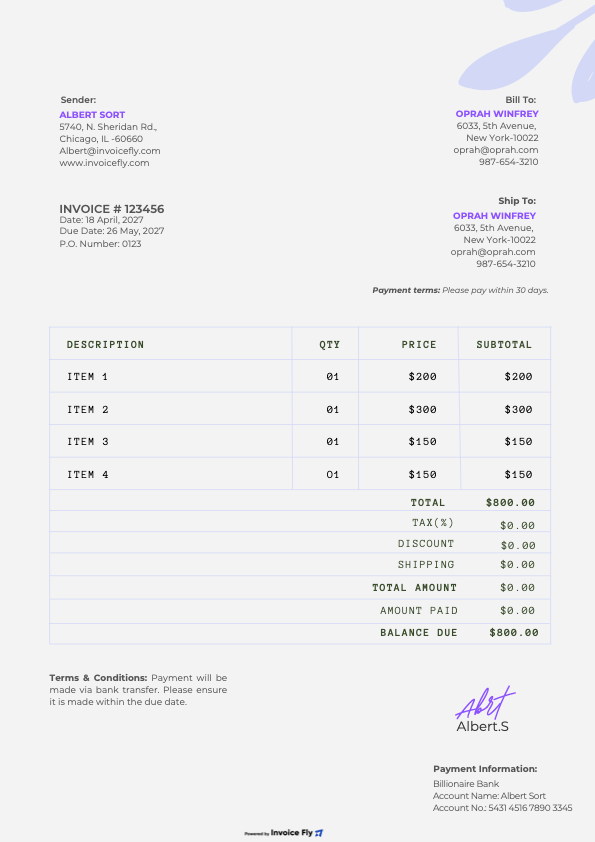
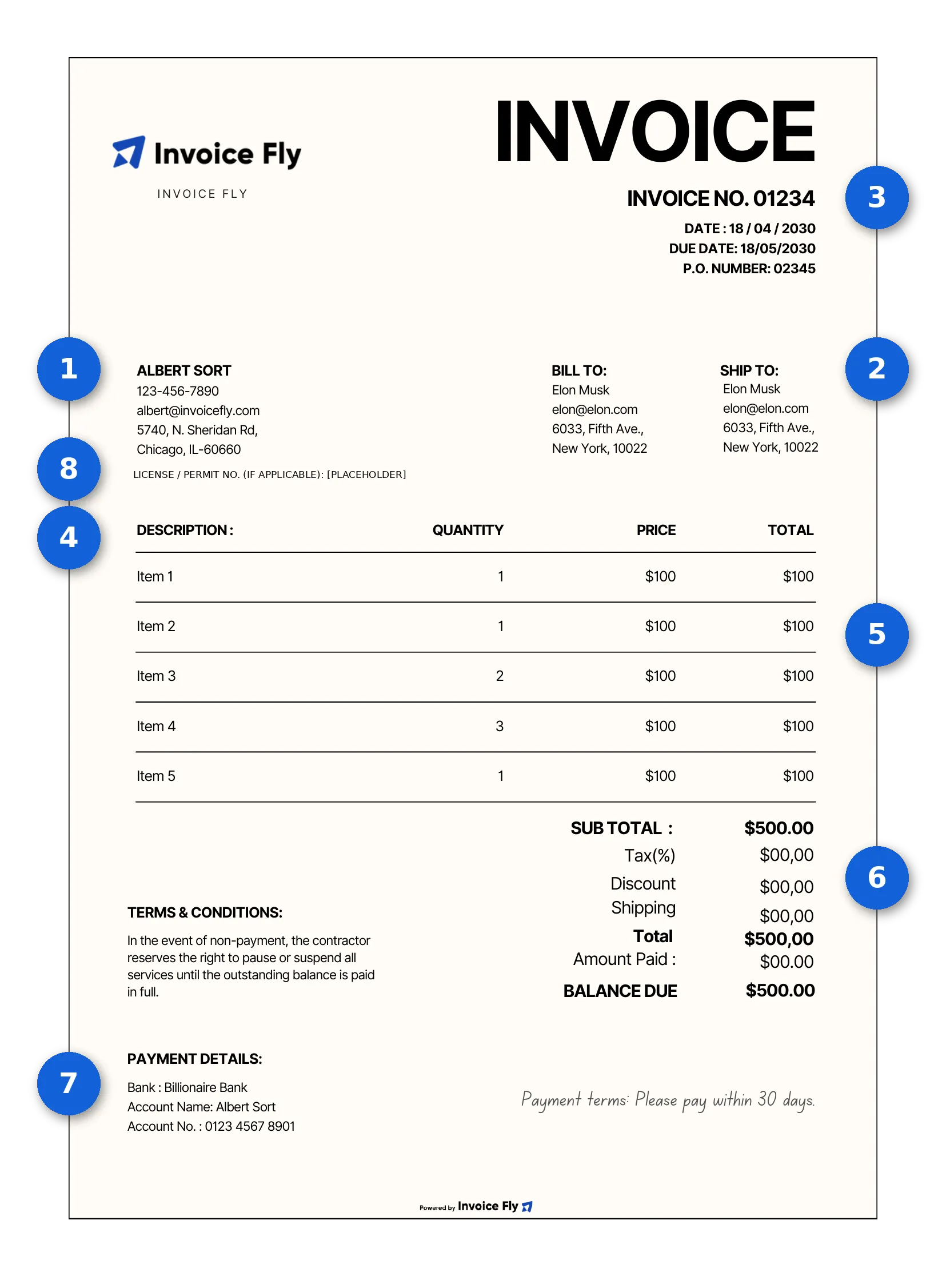
Elements of a handyman invoice template: 1 business information, 2 client and job site details, 3 invoice number and dates, 4 description of services, 5 labor, parts and materials, 6 subtotal, taxes and total, 7 payment details, 8 license and permit information

What Makes a Great Handyman Invoice

A handyman invoice template should clearly outline the work completed, itemized costs, and payment details so clients know exactly what they owe. Include these essential fields in every handyman invoice:

  1. Business Information

    Your business name, logo, address, phone number, and email.

  2. Client and Job Site Details

    Customer name, billing address, contact information, and service location.

  3. Invoice Number and Dates

    A unique invoice number, issue date, and payment due date.

  4. Description of Services

    Details of repairs, installations, maintenance, or other work completed.

  5. Labor, Parts, and Materials

    Hours worked, hourly rates, material descriptions, quantities, and total costs.

  6. Subtotal, Taxes, and Total

    Itemized charges, applicable taxes, discounts, and final amount due.

  7. Payment Details

    Accepted payment methods, deposits received, and outstanding balance.

  8. License and Permit Information

    Relevant license, registration, or permit numbers where required.

Handyman Invoicing Tips to Get Paid Faster

A clear handyman invoice helps clients understand your charges, reduces billing disputes, and keeps payments on track. Follow these tips to improve your handyman invoicing process.

Handyman using a cordless drill to install a wall shelf bracket in a client’s living room
Common issueHow to avoid it

Unclear handyman service descriptions can leave clients questioning their bills.

Describe each repair, installation, or maintenance service, including the work completed.

Unitemized labor and material costs make invoices difficult to review.

List labor hours, hourly rates, parts, and materials separately, with quantities and totals.

Missing invoice payment terms can lead to late payments.

Include a clear due date, accepted payment methods, and agreed payment conditions on every handyman invoice.

Incorrect invoice totals can cause confusion and payment disputes.

Check quantities, labor rates, subtotals, applicable taxes, and the final amount before sending the invoice.

Missing job site addresses can complicate billing for multiple properties.

Add the full service address and a job reference where necessary.

Unrecorded extra work can make additional charges difficult to justify.

Document approved changes, additional handyman services, and revised costs, and keep written client approval.

Handyman Invoice FAQs

A handyman invoice should include your business and client details, a description of the repair, labor charges, materials, applicable taxes, and payment terms. List each charge separately so clients can understand the total.

Example:

  • Labor: 1.5 hours × $85/hour = $127.50
  • Outlet: $9
  • Service call fee: $25

You can charge a minimum service fee to cover travel, setup, and the initial period of work, then bill hourly for additional time. State the minimum charge and hourly rate clearly on your handyman invoice before starting the job.

Example:

  • Minimum service call: 1 hour = $120
  • Additional labor: 0.75 hours × $85/hour = $63.75

Include debris removal and disposal as separate line items on your handyman invoice. Specify what the fee covers and list any third-party disposal charges separately so clients can see the full cost of the job.

Example:

  • Debris removal: Up to 3 bags = $35
  • Disposal facility fee: $12

You can generally charge clients for materials and include an agreed markup to cover sourcing and handling, subject to your contract and applicable rules. Show the materials, quantities, prices, and markup separately to keep your handyman invoice transparent.

Example:

  • Faucet: $95
  • Materials markup: 20% = $19
  • Supply run: 0.5 hours × $85/hour = $42.50

If you offer emergency or after-hours repairs, establish your callout fee and labor rates in advance. Clearly state when the higher rate applies and confirm the charges with the client before beginning work.

Example:

  • Emergency labor: 2 hours × $120/hour = $240
  • After-hours callout fee: $75

If a repair expands beyond the original agreement, document the additional work, confirm the revised price with the client, and add the approved charges as separate line items. Keep written approval with your records to help prevent disagreements over the final handyman invoice.

Example:

  • Additional GFCI installation: 1 hour × $85/hour = $85

  • GFCI outlet: $22

You can charge a trip fee if it is part of your agreed pricing. Explain what the fee covers and whether additional mileage charges apply. Communicating these costs before the visit helps prevent disputes when you send the repair invoice.

Example:

  • Standard travel allowance: 20 miles included

  • Additional travel: 18 miles × $1.25/mile = $22.50

When applicable, list permit fees, permit-handling time, and inspection standby time separately. Explain each charge and check local licensing, permitting, and billing requirements before invoicing the client.

Example:

  • Permit handling: 1 hour × $85/hour = $85

  • Inspection standby: 0.75 hours × $85/hour = $63.75

  • City permit fee: $58

Explore More Free Handyman Templates

Invoice Fly app

Create Your Handyman Invoice with Invoice Fly for Free