Handyman Contracts: Protecting Your Business and Clients

Table of Contents
A handyman contract is a written agreement that explains the work a handyman will perform, how much it will cost, and the responsibilities of both the contractor and the client.
A clear handyman contract typically includes the scope of work, timeline, payment terms, materials, and signatures to help prevent misunderstandings before a job begins.
What Is a Handyman Contract?

A handyman contract is a legally binding agreement between a handyman and a customer. It outlines the work to be completed, the project cost, payment terms, timeline, and what happens if the scope changes after work begins.
Even for smaller repair jobs, a written contract helps prevent misunderstandings by setting clear expectations before work starts. It also provides a record of the agreement if questions arise later about pricing, materials, or completed work.
A typical handyman contract includes:
- Customer and contractor information
- Scope of work
- Start and completion dates
- Payment terms
- Material responsibilities
- Change order process
- Warranty information
- Signatures
Many self-employed handymen use simple contract templates for everyday repairs, while larger renovation or maintenance projects often require more detailed agreements.
If you’re starting your own company, learning how to start a handyman business can help you build the right systems before taking on your first customers.
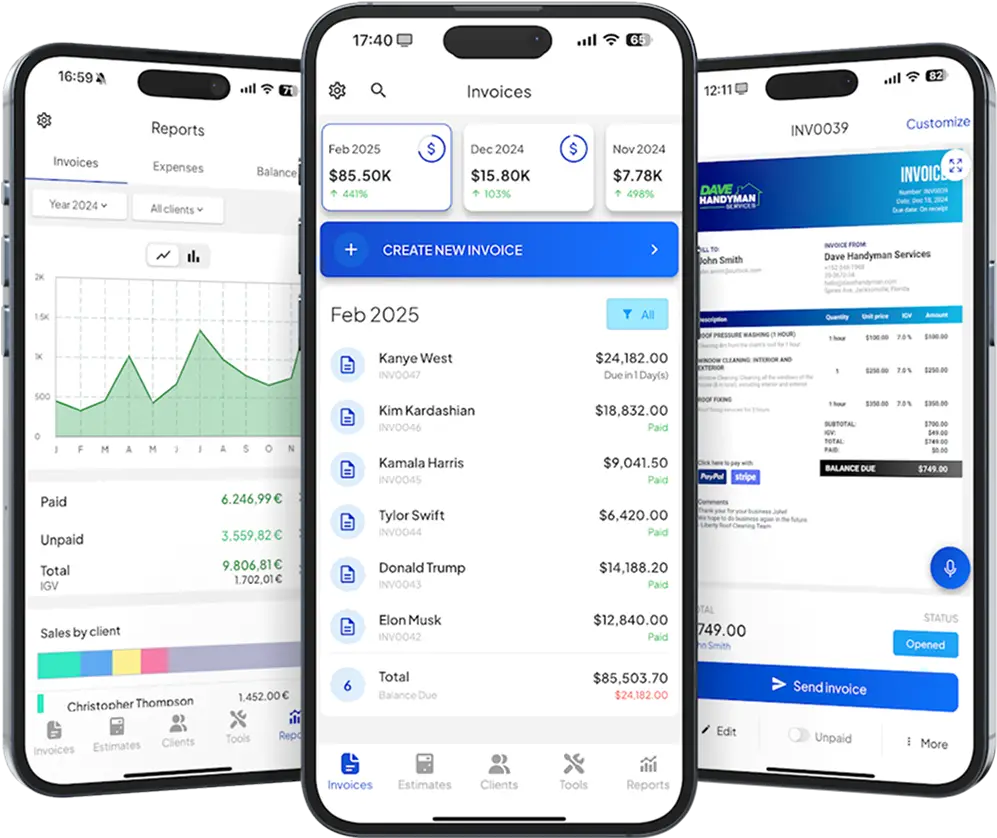
Many contractors also use handyman software to manage contracts, estimates, customer information, scheduling, and invoices from one platform, reducing paperwork and keeping every job organized.
When to Use Contracts for Handyman Work
Using a contract for every job is one of the easiest ways to protect your business and your customer.
A written agreement is especially important when:
- The project will take several days.
- Materials need to be purchased.
- A deposit is required.
- Multiple payments are involved.
- The work includes custom installations.
- You’re working for commercial clients.
- Ongoing maintenance is included.
For example, replacing a faucet may only require a simple one-page agreement, while remodeling a rental property or maintaining several commercial units usually requires a more detailed handyman service contract with payment milestones and change order procedures.
Using contracts consistently also builds trust. Customers know exactly what they’re paying for, while you have written proof of the agreed scope if additional work is requested later.
Businesses offering a wide range of handyman services often standardize their contracts so every project follows the same professional process.
What Does a Handyman Contract Include?

A good handyman contract answers the important questions before work begins.
Parties Involved
List the legal names, addresses, phone numbers, and email addresses of both the handyman (or business) and the customer.
Scope of Work
Describe exactly what work will be completed.
Instead of writing:
“Bathroom repairs“
Write:
“Remove existing bathroom faucet, install customer-supplied faucet, replace shut-off valves if necessary, test for leaks, and dispose of old materials.“
A detailed scope of work reduces the chance of disagreements later.
Timeline
Include:
- Start date
- Estimated completion date
- Working hours if applicable
If delays are possible because of weather, material availability, or customer requests, explain how they will be handled.
Payment Terms
Clearly explain:
- Total project price
- Hourly or fixed pricing
- Deposit amount
- Payment schedule
- Accepted payment methods
- Late payment policy
Many handyman businesses request a deposit before purchasing materials, with the remaining balance due after completion.
Before creating your contract, reviewing how to price handyman jobs can help you set profitable rates and avoid underquoting your work.
Materials and Equipment
State who is responsible for supplying:
- Building materials
- Fixtures
- Hardware
- Specialty equipment
If the customer is providing materials, specify when they must be available to prevent delays.
Change Orders
Projects often change after work begins.
Include a simple process explaining that additional work must be approved in writing before it’s completed. This protects both parties if the project scope changes.
Warranty
If you provide a workmanship warranty, clearly explain:
- What is covered
- How long the warranty lasts
- What isn’t included
Clear warranty terms help manage customer expectations while reducing future disputes.
Legal Considerations

A handyman contract should comply with the laws in your state or local area, particularly if the work requires licensing or permits.
Before accepting a project, check:
- Local licensing requirements
- Insurance requirements
- Permit regulations
- Consumer protection laws
- Tax obligations
Some states limit the type or value of work an unlicensed handyman can perform. Make sure you understand your local handyman license requirements before taking on larger projects.
It’s also important to carry liability insurance. Understanding how to get handyman insurance can help protect your business if accidental property damage or injuries occur.
According to the U.S. Bureau of Labor Statistics, general maintenance and repair workers perform a wide variety of repair tasks, making clear written agreements valuable for defining project responsibilities.
Types of Handyman Contracts
Different jobs call for different types of agreements.
One-Time Handyman Contract
Used for individual repair or installation jobs such as:
- Door repairs
- Drywall patching
- Faucet replacement
- Furniture assembly
- Ceiling fan installation
The agreement ends once the work is complete and payment has been received.
Handyman Maintenance Contract
Maintenance contracts cover recurring work, including:
- Rental property maintenance
- Office repairs
- Retail maintenance
- Property management services
These agreements outline how often services are provided, what’s included, and the ongoing payment schedule.
Commercial Handyman Contract
Commercial contracts are generally more detailed because they often involve larger projects, multiple locations, insurance requirements, and service response times.
How to Write a Handyman Contract
A handyman contract should be simple, clear, and easy for both parties to understand.
A basic process includes:
- Add contractor and customer details.
- Describe the scope of work.
- Include the project timeline.
- Explain pricing and payment terms.
- State who supplies materials.
- Add warranty information.
- Include a change order section.
- Obtain signatures before work begins.
Many contractors start with a free handyman contract template and customize it for each project instead of creating a new agreement from scratch.
If you’re preparing pricing before the agreement is signed, using a handyman estimate template helps create a professional proposal that can easily become part of the final contract.
Sample Contract for Handyman Services

Although every project is different, most handyman contracts follow the same structure.
A typical handyman contract includes:
Contract Details
- Contractor information
- Customer information
- Property address
- Agreement date
Scope of Work
- Description of services
- Materials included
- Estimated completion date
Payment Terms
- Total project price
- Deposit amount
- Final payment due
Additional Terms
- Change orders
- Warranty
- Cancellation policy
- Liability limitations
Signatures
- Contractor
- Customer
- Date
Using a consistent contract format helps ensure every project starts with clear expectations.
If you’re new to the trade, how to start a handyman business walks through the steps of setting up your business before sending your first contract.
Protect Every Job With a Clear Handyman Contract
A well-written handyman contract protects both you and your customer by clearly defining the work, pricing, timeline, and responsibilities before the project begins. Using the same agreement for every job helps reduce disputes while presenting a more professional business.
Many contractors also use handyman software to manage contracts, estimates, scheduling, customer records, and completed jobs from one place.
Once the contract has been approved, a handyman invoice template, invoice maker, and free invoice generator make it easy to bill customers and maintain accurate payment records.