Snow Plowing Insurance: What Coverage Do You Need?
Table of Contents
Snow plowing insurance is a specialized type of business coverage that protects snow removal contractors from property damage, injury claims, and vehicle losses while clearing snow for clients. It usually combines general liability insurance, commercial auto coverage for your plow trucks, and optional add-ons like equipment and inland marine insurance, which some clients require before they’ll even sign a contract. Your total cost depends on things like your location, how many trucks you run, whether you work residential or commercial jobs, and your claims history.
This guide breaks down what snow plowing insurance covers, who actually needs it, the main policy types, what affects pricing, and how to find the right coverage for your business.
Snow Plow Insurance to Keep You in the Clear
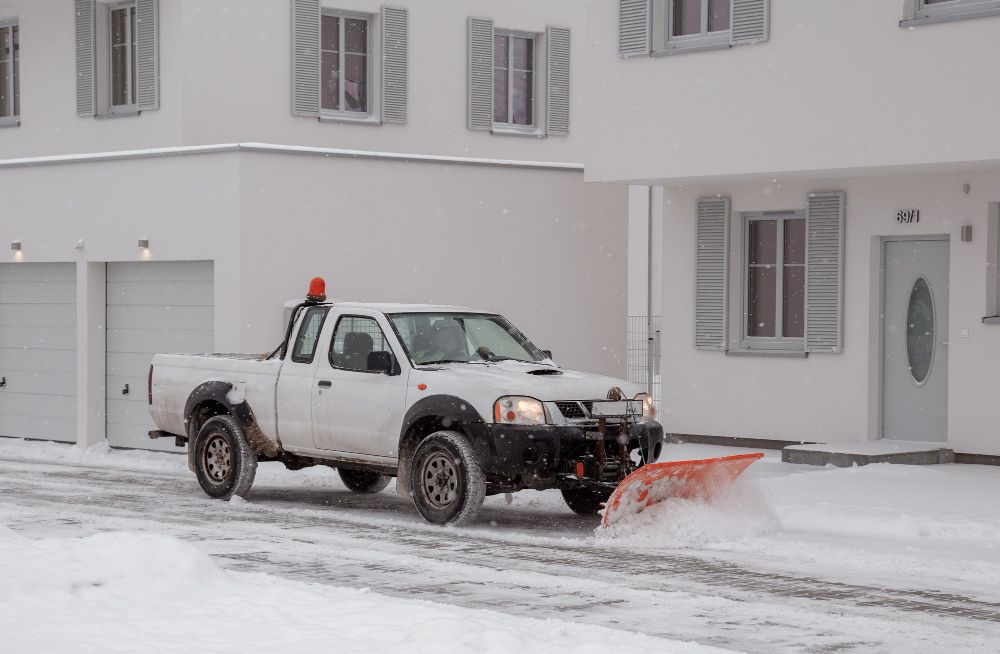
Plowing snow looks simple from the outside: clear the lot, move on to the next one. But it’s risky work. You’re driving in bad weather, backing up near parked cars, and working on properties where a slip-and-fall claim can land squarely on your business. Snow plow insurance exists specifically to cover those situations, and in many cases, it’s required before a client or property manager will even hire you.
Without the right coverage, one bad accident or one lawsuit from a slip-and-fall could wipe out a small snow removal business. That’s the real reason most contractors carry it, not just because a contract requires it on paper.
Why You Need Snow Plow Insurance
A regular auto insurance policy usually doesn’t cover commercial snow plowing work. If you’re using your personal truck to plow driveways on the side, your personal policy may deny a claim entirely once the insurer finds out the vehicle was being used for business.
Picture a contractor backing out of a client’s driveway and accidentally clipping a parked car. Without commercial snow plow insurance, that contractor would be paying for the damage out of pocket, on top of any legal costs if the car’s owner decides to sue. General liability insurance for snow plowing is built specifically to handle situations like this.
Winter weather adds its own risks too. Icy roads, reduced visibility, and long hours behind the wheel all raise the odds of an accident. According to OSHA, winter conditions bring hazards like slippery surfaces and cold stress, which is worth reviewing alongside your insurance coverage.
Who Needs Commercial Snow Plow Insurance
If you’re plowing snow for money, whether that’s a handful of residential driveways or a fleet of trucks clearing commercial lots, you likely need commercial snow plow insurance. This includes:
- Independent contractors plowing driveways part-time in the winter
- Landscaping companies that add snow removal as a seasonal service
- Larger snow removal businesses with multiple trucks and employees
- Anyone plowing municipal or commercial contracts that require proof of insurance
Many snow removal contractors also work in landscaping or grounds maintenance during the warmer months. According to the Bureau of Labor Statistics, grounds maintenance workers earned a median annual wage of $38,470 in 2024, reflecting steady demand outside the winter season. If your business shifts between landscaping and snow removal, make sure your insurance covers both types of work.
Even a small, one-truck operation benefits from coverage. Clients are far more likely to hire a snow plow business that can show proof of insurance, since it protects them too if something goes wrong on their property.

Type of Insurance for a Snow Plowing Business
Snow plowing comes with unique risks, from property damage to vehicle accidents and employee injuries. That’s why most contractors carry several types of insurance rather than relying on a single policy.
| Coverage | What It Protects | Who Needs It |
|---|---|---|
| General liability | Third-party injuries and property damage | All snow plowing businesses |
| Commercial auto | Plow trucks involved in accidents, theft, or vandalism | Anyone using vehicles for commercial plowing |
| Inland marine | Plows, salt spreaders, and other mobile equipment | Businesses transporting expensive equipment |
| Workers’ compensation | Employee injuries and lost wages | Businesses with employees |
Before buying a policy, keep these points in mind:
- Don’t assume your existing business insurance includes snow plowing. If you already operate a landscaping or lawn care business, check with your insurer before taking on winter work. Many commercial policies specifically exclude snow removal because it’s considered a higher-risk service.
- Commercial auto insurance is usually essential. Personal auto policies generally don’t cover vehicles used for paid snow plowing, even if it’s only a seasonal side business.
- Protect your equipment, too. Plow blades, salt spreaders, and other attachments can be expensive to replace. Inland marine insurance helps cover them if they’re stolen or damaged while being transported between job sites.
- Keep coverage active if you operate year-round. If your business uses the same company and vehicles for other services during the rest of the year, letting insurance lapse can create coverage gaps or make renewing your policy more complicated. Ask your insurer whether year-round coverage or a seasonal endorsement is the better fit.
How Much Does Snow Plow Insurance Cost?
Pricing for snow plowing insurance varies a lot, and quotes from different providers can look very different depending on your location, fleet size, claims history, and the specific coverage you choose. Many small snow removal businesses pay somewhere between $1,800 and $4,000 per year for a package that includes general liability and commercial auto insurance, though your own number could land well outside that range in either direction.
A few factors that tend to move the price the most:
- Your state and local climate (heavier snowfall areas often mean higher premiums)
- Number of trucks and the value of your equipment
- Whether you have employees, which brings workers’ comp into the picture
- Your driving and claims history
- Whether you’re plowing residential driveways, commercial lots, or both
Because pricing varies so widely by provider and location, it’s worth getting quotes from a few independent insurance agents who specialize in commercial or contractor policies rather than relying on a single ballpark number. Comparing your quote against typical snow removal cost factors for your area can also help you figure out whether your pricing still leaves room for profit once insurance is factored in.
Find the Best Snow Plow Insurance
When comparing snow plow insurance coverage options, it helps to:
- Work with an independent insurance agent who understands snow removal specifically, not just general contractor insurance
- Ask about bundling general liability and commercial auto for a potential discount
- Confirm whether your state or the contracts you’re bidding on require specific coverage minimums
- Compare quotes from a few different insurance companies before committing to a policy
Some contractors also expand into snow removal as a seasonal add-on to landscaping work. If that’s you, it’s worth reviewing your existing coverage as a snow removal contractor to see whether your current policy already extends to plowing or needs an update.
Keeping your business organized matters just as much as keeping it insured. According to InvoiceFly’s Salary & Time Gap Report 2026, home service professionals spend an average of 852.8 hours a year on non-billable admin like quoting, invoicing, and chasing payments. Using an invoice maker helps automate paperwork so you can spend more time serving customers during the busiest months of the year.
Conclusion
Snow plowing insurance isn’t just a box to check before winter. It’s what protects your business from a single accident or lawsuit turning into a financial disaster. Between general liability, commercial auto, inland marine, and workers’ comp, most snow removal businesses need a combination of coverage tailored to their fleet size and the type of work they do. Before the next storm hits, review your coverage to make sure it matches the work you actually do. The right policy protects not only your trucks and equipment, but also your business if an accident or lawsuit occurs. It’s also worth reviewing your snow plowing services to confirm your coverage matches everything you offer.