What Does a Termite Damage Repair Contractor Do
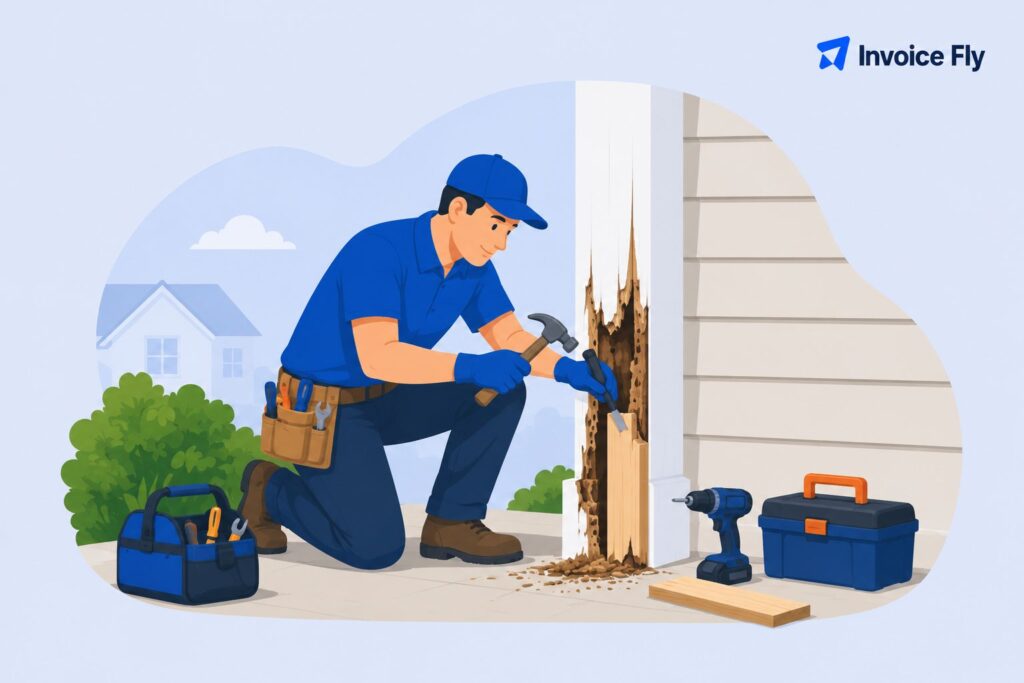
Table of Contents
- What is a termite damage repair contractor?
- What does a termite damage repair contractor do?
- How do you repair termite damage?
- Why termite damage repair is important
- How to become a termite damage repair contractor
- Finding work as a termite damage repair contractor
- Build a successful termite damage repair business
- FAQs
A termite damage repair contractor specializes in repairing structural damage caused by termites after the infestation has been treated. This includes inspecting damaged wood, replacing weakened framing, repairing walls, floors, and support beams, and restoring the property’s structural integrity.
Many contractors combine carpentry, construction, and pest control knowledge to complete repairs safely and prevent future damage. In this guide, you’ll learn what a termite damage repair contractor does, how termite damage is repaired, the skills and training required, typical repair costs, and how to start offering these services.
This guide covers:
- What a termite damage repair contractor is
- What termite damage repair contractors do
- How termite damage is repaired
- Why professional repairs are important
- Skills, training, and requirements
- Typical termite damage repair costs
- How to find work in termite damage repair
What is a termite damage repair contractor?
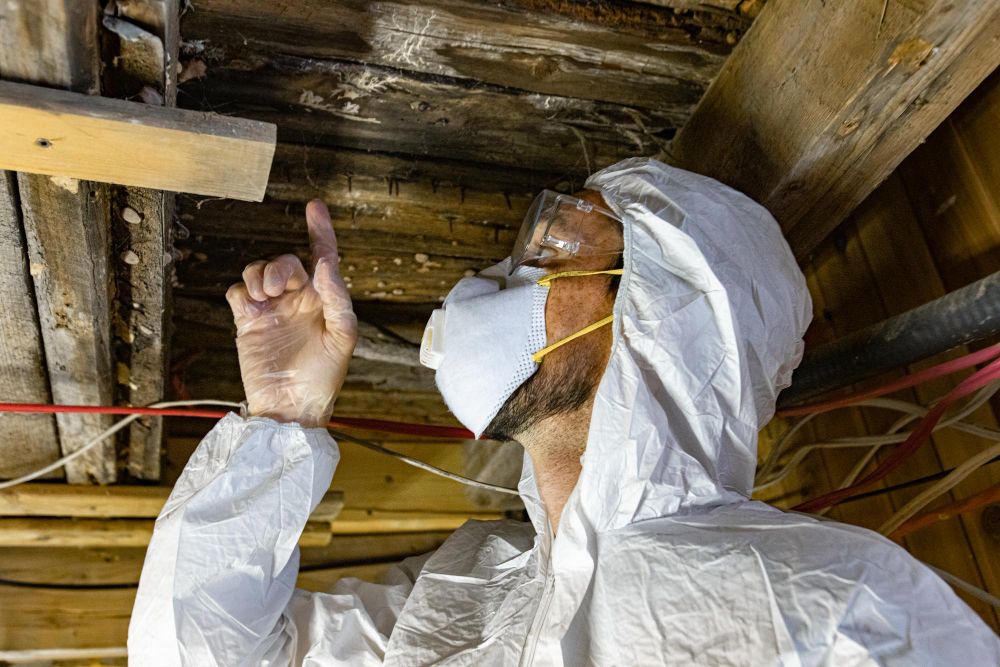
A termite damage repair contractor repairs buildings after termites have damaged wooden structures. While a pest control technician eliminates the infestation, the repair contractor restores any structural damage left behind.
Depending on the severity of the infestation, repairs may involve replacing floor joists, wall studs, roof timbers, decking, window frames, support beams, or subflooring. Minor jobs may only require replacing small sections of timber, while extensive infestations can involve significant structural rebuilding.
Professional contractors also assess whether additional problems, such as water damage or wood rot, have weakened the structure before beginning repairs.
Typical responsibilities include:
- Inspecting termite-damaged areas
- Assessing structural integrity
- Removing damaged timber
- Replacing structural framing
- Repairing walls, floors, and ceilings
- Reinforcing weakened structures
- Working alongside pest control professionals
- Preparing repair estimates
- Advising homeowners on preventing future damage
The U.S. Environmental Protection Agency (EPA) recommends treating an active termite infestation before beginning structural repairs to prevent further damage.
If you’re interested in building a business in this industry, our guide on how to start a pest control business explains everything from licensing and insurance to pricing and attracting customers.

What does a termite damage repair contractor do?
A termite damage repair contractor restores structural components after termite treatment has been completed. Their work focuses on returning a property to a safe, stable condition while replacing any wood that has been weakened by termite activity.
Daily responsibilities often include:
- Inspecting damaged areas
- Identifying structural risks
- Removing damaged wood
- Installing replacement framing
- Repairing flooring, walls, and ceilings
- Reinforcing load-bearing structures
- Preparing repair estimates
- Communicating with homeowners
- Coordinating with pest control companies
Many contractors also recommend a termite inspection before beginning work to confirm the infestation has been eliminated.
Some businesses specialize in residential repairs, while others focus on commercial properties, real estate transactions, or insurance-related repair work.
How do you repair termite damage?
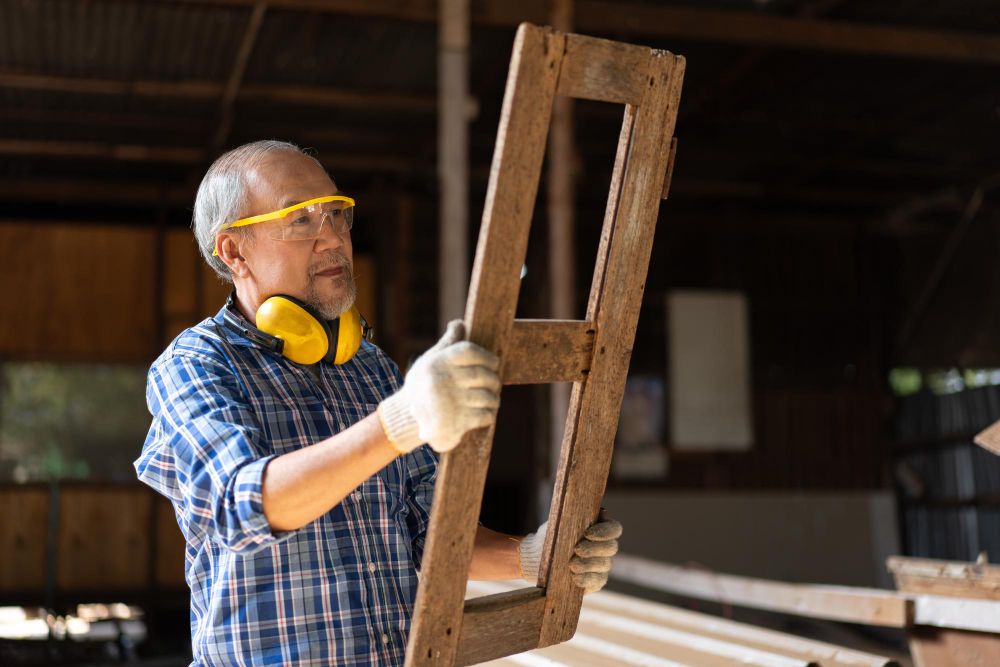
Repairing termite damage begins with confirming the infestation has been fully treated. Replacing damaged timber before eliminating termites can result in further structural damage and unnecessary repair costs.
Although every project is different, most repairs follow the same process.
1. Complete a termite inspection
The first step is identifying the full extent of the damage. A professional inspection checks visible timber, hidden structural components, crawl spaces, basements, and roof voids for signs of termite activity.
A detailed inspection also determines whether water damage or wood rot has contributed to the problem.
2. Eliminate the termite infestation
Before repairs begin, a licensed pest control professional should complete the appropriate termite treatment.
Depending on the infestation, treatment may involve:
- Liquid termiticides
- Baiting systems
- Localised wood treatments
- Barrier treatments
Learn more about how much termite treatment costs before planning repair work.
3. Remove damaged wood
Once treatment is complete, contractors remove weakened timber that can no longer support structural loads.
This may include:
- Floor joists
- Wall studs
- Roof rafters
- Decking
- Door frames
- Window frames
- Trim
- Subflooring
Minor cosmetic damage can sometimes be repaired using specialized wood fillers, while severely weakened timber usually needs replacing.
4. Replace structural components
New timber is installed to restore the building’s structural strength.
Depending on the project, repairs may involve:
- Sistering joists
- Installing replacement framing
- Reinforcing support beams
- Rebuilding sections of flooring
- Replacing wall framing
Contractors carefully match replacement materials to existing structures while ensuring the repair complies with local building regulations.
5. Complete cosmetic repairs
After the structural work is finished, contractors restore the property’s appearance by repairing drywall, skirting boards, flooring, trim, and paintwork. The goal is to leave the home safe, structurally sound, and looking as though the damage never occurred.
Why termite damage repair is important

Termites can weaken a building long before visible signs appear. Even after the infestation has been eliminated, damaged timber may continue to deteriorate if it isn’t repaired.
Professional termite damage repair helps:
- Restore structural integrity
- Prevent further deterioration
- Improve property value
- Prepare homes for sale
- Reduce future repair costs
- Improve safety for occupants
Ignoring termite damage can lead to sagging floors, weakened walls, damaged roof structures, and expensive rebuilding work.
According to the EPA, early termite detection and treatment are the best ways to minimise structural damage and repair costs.
How to become a termite damage repair contractor
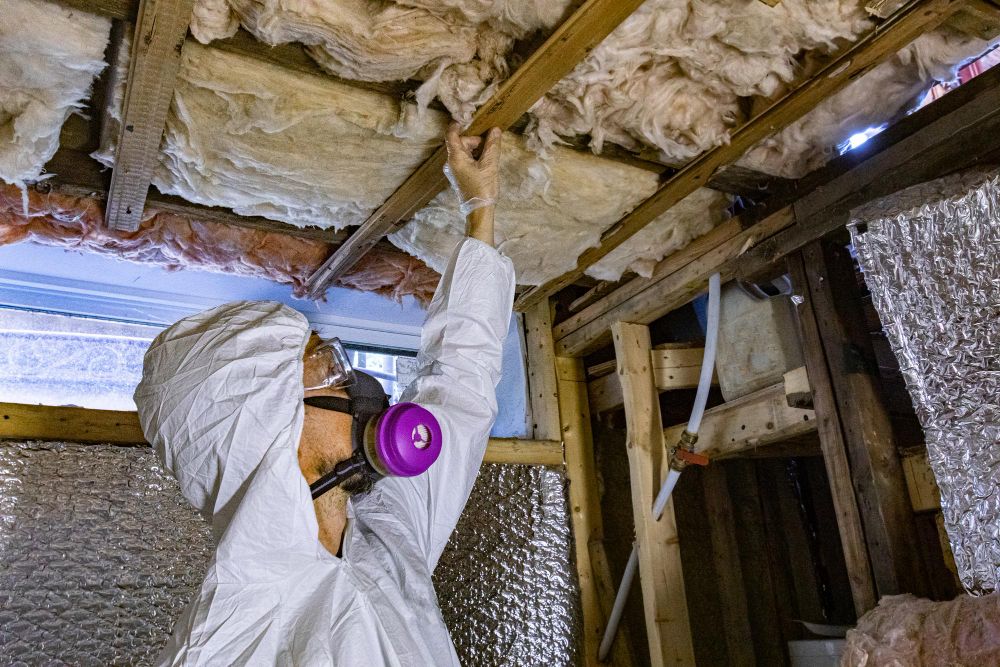
Contractors offering termite damage repair usually combine experience in construction, carpentry, or remodeling with an understanding of termite damage and structural repairs. Many also work closely with pest control companies that refer customers after termite treatments have been completed.
Skills and expertise required
Successful termite damage repair contractors typically have skills in:
- Carpentry
- Structural framing
- Wood replacement
- Drywall repairs
- Flooring installation
- Problem solving
- Reading building plans
- Customer communication
- Estimating repair costs
Knowledge of termite behaviour and common structural damage also helps contractors identify hidden issues before repairs begin.
Education and training
There is no single qualification required to specialize in termite damage repair. Many contractors gain experience through apprenticeships or careers in carpentry, construction, or general contracting before expanding into termite-related repairs.
Additional training in structural repairs, building regulations, and pest management can help you offer more comprehensive services.
Understanding pest control services also makes it easier to work alongside exterminators and recommend the correct treatment before repairs begin.
Requirements
Depending on where you operate, you may need:
- A contractor’s license
- Business insurance
- Relevant construction certifications
- Knowledge of local building codes
- Appropriate permits for structural work
If you’re planning to carry out termite treatments as well as repairs, you’ll also need the appropriate pest control license and pest control insurance.
Termite damage repair costs
The cost of repairing termite damage varies depending on the extent of the infestation, the affected structural components, labor costs, and local material prices.
Minor cosmetic repairs may cost a few hundred dollars, while extensive structural repairs involving floor joists, support beams, or roof framing can cost several thousand pounds.
Providing detailed inspections and written estimates helps homeowners understand the scope of the work before repairs begin. Using professional pest control estimates also creates a clearer, more transparent customer experience.
Finding work as a termite damage repair contractor
Many contractors receive termite repair work through partnerships with pest control companies, builders, property managers, insurance companies, and real estate professionals.
Growing your business often involves:
- Building relationships with local pest control companies
- Creating a website showcasing repair projects
- Optimising for local SEO
- Collecting customer reviews
- Offering detailed inspections and written estimates
- Networking with estate agents and contractors
If you’re planning to expand into the pest control industry, revisit our guide on how to start a pest control business for practical advice on licensing, pricing, marketing, and growing your business.
Build a successful termite damage repair business
Termite damage repair combines construction expertise with an understanding of pest-related structural damage. By working alongside licensed pest control professionals and providing high-quality repairs, contractors can build a valuable specialist service that remains in demand throughout the year.
As your workload grows, software for pest control businesses can help manage customer information, schedules, estimates, and follow-up work. Once repairs are complete, an invoice maker or free invoice generator makes it easy to create professional invoices.