How to Become an Exterminator
Table of Contents
An exterminator identifies, treats, and prevents pest infestations in homes and businesses using safe, approved pest control methods. Most exterminators enter the industry through on-the-job training before earning a state pesticide license. In this guide, you’ll learn how to become an exterminator, including the training, licensing, education, and career paths available in the pest control industry.
This guide covers:
- What an exterminator does
- Whether pest control is the right career for you
- How to become an exterminator step by step
- Education and licensing requirements
- How long it takes to qualify
- Working for a pest control company or starting your own business
- Career prospects and salary expectations
What is an exterminator?
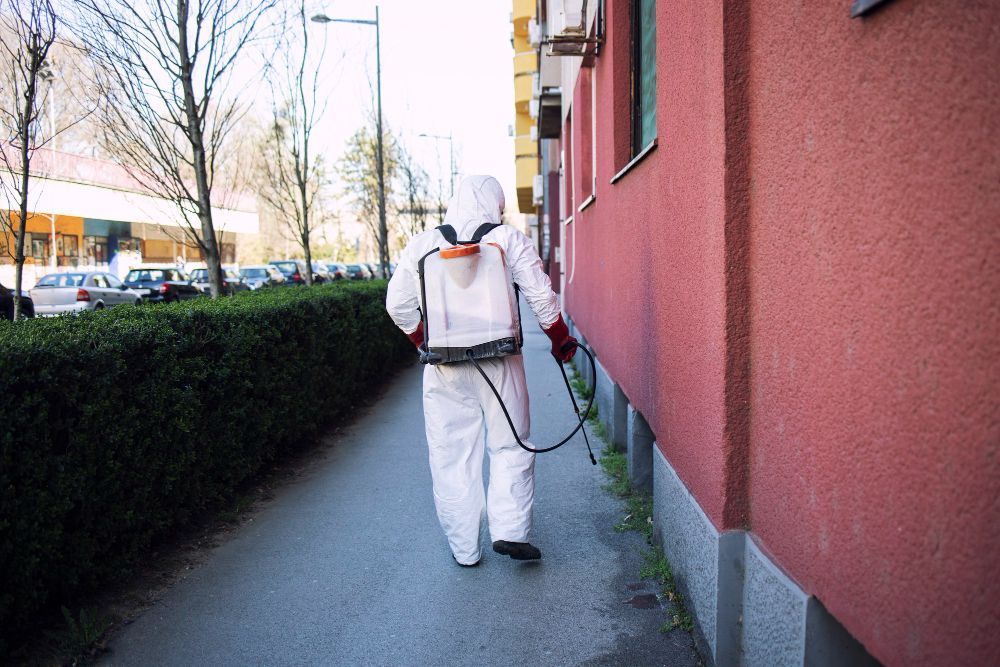
An exterminator, also known as a pest control technician, inspects properties, identifies pest infestations, and applies treatments to eliminate and prevent pests such as termites, rodents, bed bugs, ants, cockroaches, and wasps.
Their responsibilities typically include:
- Inspecting homes and businesses
- Identifying pests and infestation levels
- Applying pesticides safely
- Setting traps and monitoring stations
- Advising customers on pest prevention
- Completing inspection reports
- Maintaining equipment and treatment records
According to the U.S. Bureau of Labor Statistics (BLS), most pest control technicians receive on-the-job training and must meet state licensing requirements before applying pesticides professionally.
If your goal is to eventually work for yourself, our guide on how to start a pest control business explains everything from licensing and equipment to pricing and attracting your first customers.
Is becoming an exterminator right for you?
Pest control suits people who enjoy practical work, problem solving, and working in different environments. Every day involves inspecting properties, identifying pests, recommending treatments, and helping customers protect their homes or businesses.
The work is physically demanding and often involves travelling between sites, working outdoors, entering confined spaces, and following strict safety procedures when handling pesticides.
What exterminators do day to day
A typical working day may include:
- Inspecting properties for pests
- Identifying insects, rodents, or wildlife
- Applying pest control treatments
- Setting traps and bait stations
- Carrying out termite inspections
- Completing treatment reports
- Advising customers on pest prevention
- Maintaining equipment and company vehicles
Some technicians specialise in termite control, bed bug treatments, wildlife management, or commercial pest control, while others provide general residential services.
What you should know before becoming an exterminator
Before choosing this career, consider both the benefits and challenges.
Advantages
- Stable demand for pest control services
- Opportunities to specialise
- Career progression into management or business ownership
- Varied, hands-on work
Challenges
- Working with pesticides
- Physically demanding conditions
- Exposure to insects and rodents
- Ongoing licensing and continuing education
The U.S. Environmental Protection Agency (EPA) recommends proper training and certification before handling restricted-use pesticides to protect both technicians and customers.
How to become an exterminator
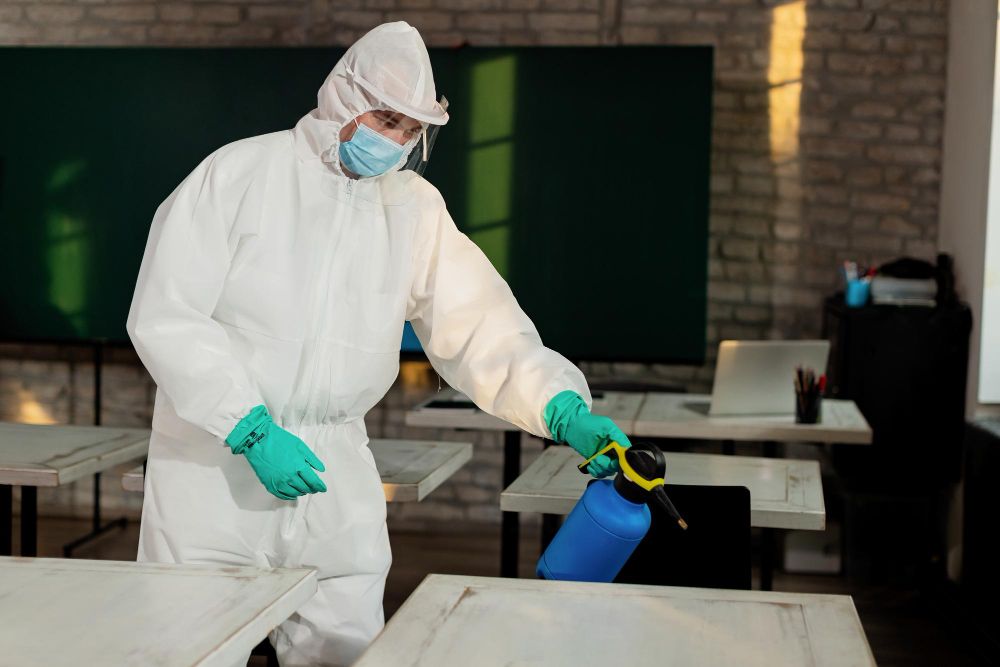
Most exterminators begin with little or no experience. Employers typically hire trainee technicians before helping them complete the training and licensing required in their state.
Basic steps on how to become an exterminator
Although requirements vary, most people follow these steps:
- Meet your state’s minimum requirements.
- Apply for a trainee or apprentice position.
- Complete supervised on-the-job training.
- Pass your state pesticide license exams.
- Continue gaining experience and maintaining your certification.
Many pest control companies support new technicians throughout the licensing process, making it possible to earn while you learn.
How do you become an exterminator with no experience?
Previous experience isn’t usually required.
Most employers provide practical training covering:
- Pest identification
- Safe pesticide handling
- Inspection techniques
- Equipment operation
- Customer service
- Workplace safety
Working alongside experienced technicians helps new employees build confidence before carrying out treatments independently.
Do you need a college degree to become an exterminator?
No. Most exterminators don’t need a college degree.
Employers usually look for practical skills, a willingness to learn, and the ability to meet state licensing requirements. Qualifications in biology, environmental science, agriculture, or entomology may be useful for specialist or management roles but are rarely essential for entry-level positions.
Education and training for exterminators

Most exterminators don’t need a university degree, but employers usually require a high school diploma or GED, a valid driver’s license, and the ability to meet state licensing requirements.
Do you need a high school diploma to become an exterminator?
Most employers prefer applicants who have completed high school or earned an equivalent qualification.
Other common requirements include:
- Valid driver’s license
- Good communication skills
- Physical fitness
- Ability to pass background checks where required
Licensing requirements vary by state, so always check your local regulations before applying.
Training courses that help you become an exterminator
Most training takes place on the job, although additional courses can improve your knowledge and career opportunities.
Training commonly covers:
- Pest identification
- Safe pesticide application
- Inspection techniques
- Equipment operation
- Customer service
- Workplace safety
- Environmental regulations
Technicians who specialise in termites, bed bugs, wildlife control, or commercial pest management often complete additional training throughout their careers.
Licensing and exams to become an exterminator
Most states require exterminators who apply pesticides to hold a license.
Although the process varies, you’ll typically need to:
- Complete supervised training
- Pass a Core pesticide applicator exam
- Pass any category-specific exams
- Complete continuing education to renew your license
The EPA publishes guidance on pesticide applicator certification, while individual state agencies manage licensing and examinations.
If you’re planning to work independently, you’ll also need the appropriate pest control license and pest control insurance before offering services.
How long does it take to become an exterminator?
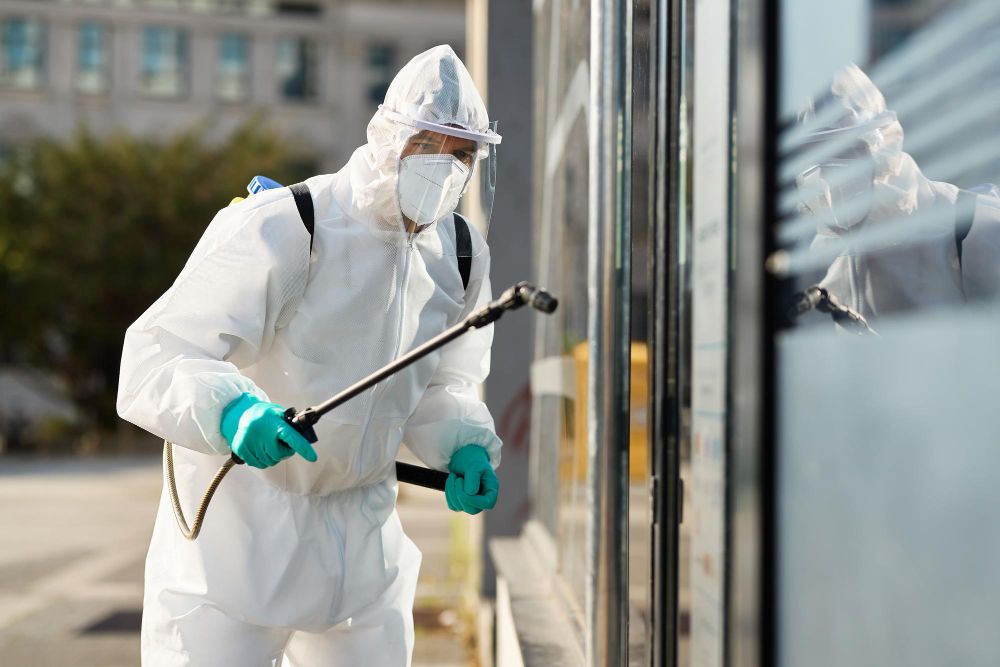
Most people can begin working as trainee technicians within a few weeks, but becoming fully licensed usually takes between three months and one year depending on your state’s requirements.
A typical timeline looks like this:
- Immediately: Apply for trainee positions.
- 1–3 months: Complete supervised training.
- 3–12 months: Pass your state licensing exams.
- 1–3 years: Gain experience, specialise, or progress into senior roles.
Some states require technicians to complete a minimum number of supervised working hours before sitting licensing exams.
Starting work after becoming an exterminator
Once you’re licensed, you can either join an established pest control company or eventually start your own business. Both career paths offer opportunities for growth, depending on your experience and long-term goals.
How do I become an exterminator for a pest control company?
Most new technicians begin their careers with an established pest control company. This allows you to gain practical experience, build confidence, and learn from experienced professionals before taking on more responsibility.
Working for an employer gives you the opportunity to:
- Learn industry best practices
- Gain experience with different pests and treatment methods
- Develop customer service skills
- Use professional equipment
- Complete ongoing training
- Progress into specialist or supervisory roles
Many companies also provide additional training in areas such as termite inspections, commercial pest control, wildlife management, or integrated pest management.
Becoming an exterminator and starting your own business
Many experienced exterminators eventually decide to start their own pest control business.
Before launching your company, you’ll typically need:
- A business license
- Pest control insurance
- Professional equipment
- Pricing structure
- Marketing strategy
- Customer management system
- Service contracts
Having the right systems in place from the start can save hours of administration. A pest control CRM helps manage appointments, inspections, customer records, and follow-up treatments, while professional pest control estimates make it easier to win new work.
Can you become an exterminator without a college degree?
Yes. Most exterminators build successful careers without earning a college degree.
Employers typically place more value on:
- Practical experience
- State licensing
- Customer service skills
- Reliability
- Safe pesticide handling
- Willingness to learn
As you gain experience, additional certifications can help you specialise in services such as termite treatments, commercial pest management, or wildlife control.
Is becoming an exterminator a good career choice?
For many people, pest control offers stable employment, career progression, and the opportunity to eventually run their own business.
It can be a good career if you enjoy:
- Practical, hands-on work
- Problem solving
- Helping customers
- Working independently
- Variety in your daily routine
As demand for pest control services continues year-round, experienced technicians often have opportunities to move into management positions or establish successful businesses of their own.
If your long-term goal is business ownership, revisit our guide on how to start a pest control business for practical advice on licensing, marketing, pricing, and growing a successful pest control company.
Build a successful career in pest control
Becoming an exterminator is one of the most accessible skilled trades. With on-the-job training, the appropriate licenses, and practical experience, you can build a stable career or eventually grow your own pest control business.
As your business expands, the right software can help you stay organized. A pest control CRM simplifies scheduling, customer management, inspections, and follow-up visits. An invoice maker lets you send professional invoices quickly, while a free invoice generator is useful if you’re just getting started.