What Is Tree Trimming? Everything You Need to Know
Table of Contents
- What Is Tree Trimming?
- Common Types of Tree Trimming
- Is Tree Trimming the Same as Tree Pruning?
- Why Is Trimming Your Trees Important?
- How Often Should You Trim Your Trees?
- How Do You Safely Trim Your Trees?
- Signs That Your Tree Requires Trimming
- Home vs. Professional Tree Trimming
- How Much Does Tree Trimming Cost?
- Conclusion
- FAQs
Tree trimming is the process of cutting back overgrown branches and foliage to control a tree’s shape, improve safety, and encourage healthy growth. Beyond improving curb appeal, trimming keeps branches away from roofs, sidewalks, and power lines while allowing more sunlight and airflow to reach the tree’s interior and lower branches. Tree trimming is a routine part of caring for both residential yards and commercial properties.
This guide breaks down what tree trimming actually involves, how it’s different from pruning, when to schedule it, and how to do it safely or find the right professional for the job.
What Is Tree Trimming?
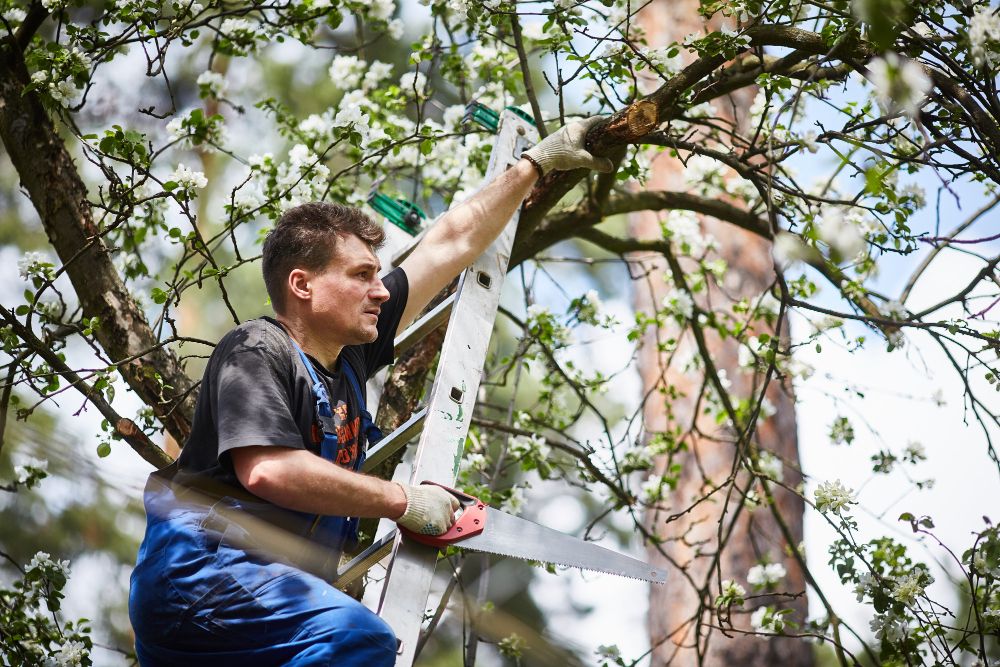
Tree trimming is a routine landscape maintenance service that involves cutting back overgrown branches, shoots, and foliage to maintain a tree’s size, shape, appearance, and safety. While trimming helps keep a tree looking neat, it also improves safety by clearing branches away from roofs, walkways, and power lines.
Regular tree trimming is preventive maintenance. Done consistently, it helps reduce safety hazards, encourages healthy growth, and can prevent more expensive tree work later.
A homeowner with a large oak tree in the front yard, for example, might schedule trimming every year or two just to keep the canopy from spreading over the driveway or scraping against the gutters. It’s a smaller, more routine job compared to a full tree removal, and it’s usually far less expensive.
If you’re running or growing a tree service business, our guide on how to start a tree removal service business covers the licensing, equipment, and pricing basics to get started.
Common Types of Tree Trimming
Tree trimming isn’t a one-size-fits-all job. Depending on the tree’s condition and the goal, a tree service may use one or more of these common techniques:
- Crown thinning – selectively removing branches to reduce density and improve airflow
- Crown raising – removing lower branches to clear space above walkways, driveways, or structures
- Crown reduction – cutting back the overall height or spread of a tree
- Deadwood removal – removing dead, dying, or damaged branches
- Directional trimming – shaping growth away from power lines and other utility equipment
Is Tree Trimming the Same as Tree Pruning?
Not exactly. People use these terms interchangeably all the time, but tree service professionals usually draw a clear line between the two.
The Difference Between Trimming and Pruning
| Feature | Tree Trimming | Tree Pruning |
|---|---|---|
| Primary Goal | Appearance, shape, and growth management | Tree health, safety, and disease control |
| Common Targets | Overgrown outer limbs, hedges | Dead, diseased, or crossing branches |
| Standard Tools | Hedge trimmers, hand shears | Pruning saws, lopping shears, pole saws |
| Best Timing | Active growth season (spring or summer) | Dormant season (late winter) |
Generally speaking, trimming focuses on appearance and managing growth, while pruning focuses on tree health, structure, and safety. Arborists typically choose from a few different pruning methods depending on the tree’s age, species, and condition. That said, a single tree service visit often includes a bit of both, especially if a tree hasn’t been maintained in a while.

Why Is Trimming Your Trees Important?
Trimming isn’t just about appearance. It plays a real role in safety, tree health, and how your property looks overall. Regular trimming can also help reduce the risk of property damage by preventing branches from rubbing against roofs, siding, fences, and other structures over time.
Safety
Overgrown branches can snap during storms or high winds, which creates a real risk to people, cars, and buildings nearby. Regular trimming reduces that weight and lowers the chance of a branch coming down unexpectedly. Many power providers also run their own scheduled tree trimming and vegetation management programs to keep branches clear of overhead lines, following guidelines similar to those outlined by New York’s vegetation management standards, to reduce the risk of outages and improve public safety.
Tree Health
Thinning out a dense canopy allows more sunlight and airflow to reach the lower branches and the grass or garden beds underneath. Better airflow and sunlight also help promote healthier, more balanced growth throughout the tree.
Aesthetics
A well-trimmed tree simply looks better. Clean, even shaping improves curb appeal for homeowners and makes a big difference for commercial properties that want to keep their grounds looking professional.
How Often Should You Trim Your Trees?
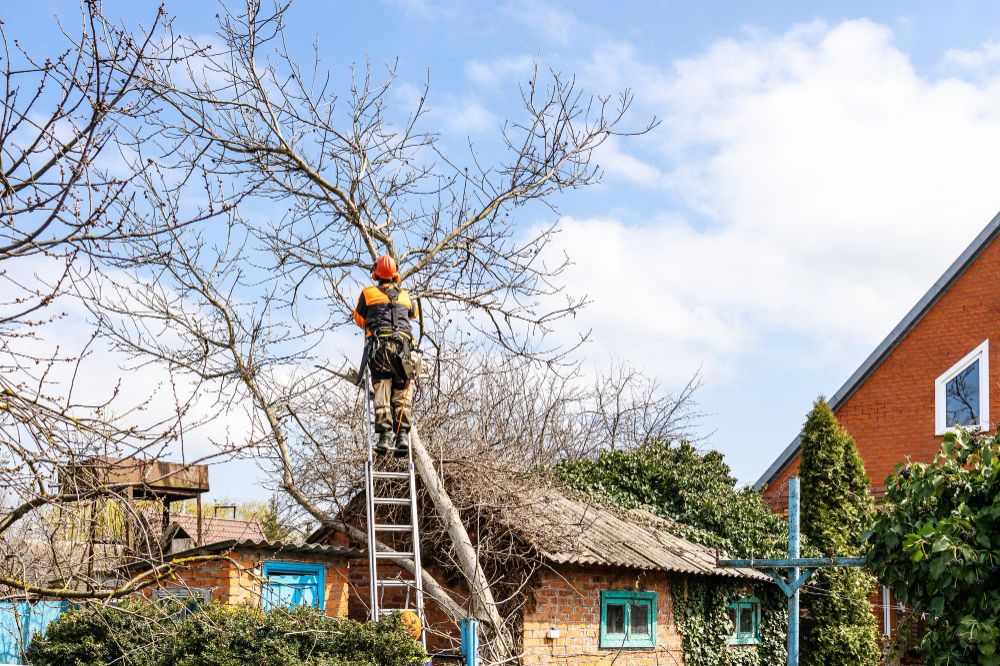
Most residential trees do well with trimming every one to three years, though this depends heavily on the species and how fast it grows. Fast-growing trees near power lines or structures may need more frequent attention, sometimes annually, to stay clear of hazards.
Fruit trees are a bit different. Pruning fruit trees during the dormant season, rather than trimming them for shape alone, usually leads to a better harvest the following year.
How Often Should Different Trees Be Trimmed?
The best time of year to trim trees isn’t the same for every species. Here’s a general breakdown of typical trimming frequency and timing by tree type:
| Tree Type | Typical Trimming Frequency | Best Time to Trim |
|---|---|---|
| Deciduous shade trees (oak, maple) | Every 2–3 years | Late winter or early spring |
| Fast-growing trees (willow, poplar) | Every 1–2 years | Late winter or summer maintenance |
| Evergreen trees | Every 3–5 years | Late winter or early spring |
| Fruit trees | Annually | Late winter before new growth |
| Ornamental trees | Every 1–3 years | After flowering or during dormancy, depending on species |
How Do You Safely Trim Your Trees?
Small, low branches can often be trimmed safely with basic tools like hand shears or a pole pruner. But there are limits to what’s safe as a DIY project. If a branch is thick, high up, or anywhere near power lines, it’s not worth the risk of doing it yourself.
Following proper pruning techniques and safe tree cutting habits matters too. Cutting at the wrong angle or removing too much at once can stress the tree and slow its recovery. Using the right tree trimming tools also makes the job safer and helps produce cleaner cuts.
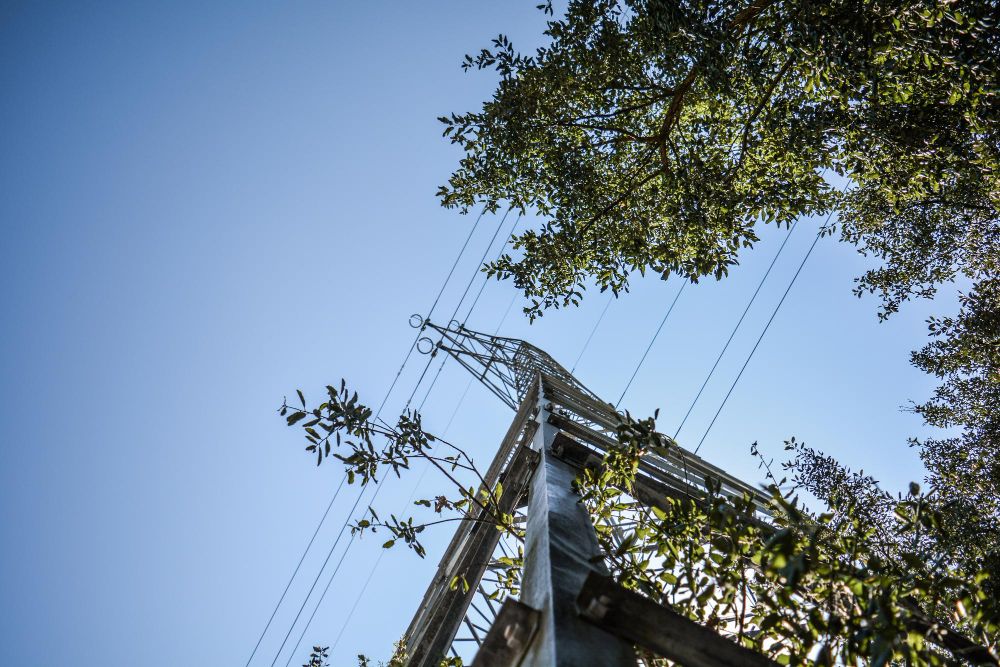
For anything involving power lines specifically, OSHA recommends that homeowners never attempt to trim branches touching or approaching energized power lines because of the risk of electrocution.
Signs That Your Tree Requires Trimming
A few signs it’s time to call in a tree service or grab your own tools:
- Branches are touching or scraping the roof, siding, or windows
- Limbs are growing into or near power lines
- The canopy looks uneven, overly dense, or lopsided
- Dead or broken branches are visible in the tree
- Sunlight can’t reach the grass or plants underneath
If you notice more than one of these at the same time, it’s usually a sign the tree hasn’t been trimmed in a while.
Home vs. Professional Tree Trimming
DIY vs. Professional Tree Trimming: Quick Reference
| Situation | DIY | Hire a Professional |
|---|---|---|
| Small branches that can be reached safely from the ground | ✓ | |
| Routine shaping of young trees | ✓ | |
| Large branches | ✓ | |
| Trees over 15–20 feet tall | ✓ | |
| Branches near power lines | ✓ | |
| Storm-damaged trees | ✓ | |
| Work requiring a ladder or climbing | ✓ |
Homeowners can usually handle small, low branches that are safely reachable from the ground with basic hand tools. Large or heavy limbs, branches near power lines, and any work requiring a ladder, climbing equipment, or a bucket truck should be left to a professional tree service.
Hiring an arborist or team of tree trimmers also means the work gets done with the right equipment and proper safety training, which matters a lot given how physically demanding and sometimes dangerous this work can be. Professional arborist services go beyond trimming and can help diagnose disease, pest problems, and structural issues. If you’re building a tree service business yourself, understanding what an arborist does day to day can help you figure out how to structure your own crew and services.
How Much Does Tree Trimming Cost?
There is no single price for tree trimming because every job is different. Costs depend on the size of the tree, the complexity of the work, and the equipment required. Small trees are usually much less expensive to trim than large, mature trees that require climbing equipment or bucket trucks.
| Factor | How It Affects Cost |
|---|---|
| Tree size | Larger trees require more labor and equipment. |
| Height | Taller trees often require climbing or bucket trucks. |
| Accessibility | Difficult access increases labor time. |
| Power lines | Utility hazards increase complexity and safety requirements. |
| Cleanup | Hauling debris may increase the total price. |
If you’re curious about typical pricing, see our guide to tree removal service costs, which explains the factors that influence tree care pricing.
Conclusion
Whether you tackle small trimming jobs yourself or hire a professional arborist for larger work, regular tree maintenance helps protect your property, keeps trees healthier, and supports their long-term health. Knowing the difference between trimming and pruning, understanding how often to schedule it, and recognizing when a job is too big for DIY all help you keep your landscape healthy and safe. If you’re planning to start a tree service business, our guide on how to start a tree removal service business walks you through the steps to build a business that can handle everything from routine trimming to full tree removal jobs.