Best Handyman Website Designs For Inspiration
Table of Contents
- How to create a handyman website
- What are the benefits of having a handyman website?
- What are the parts of a handyman website?
- Top handyman websites for design inspiration
- How can you improve a handyman website?
- Which is the best handyman website builder?
- Keep your handyman website, quotes, and customer communication organized
- Handyman website FAQs
A great handyman website is a simple, mobile-friendly site that clearly shows what you do, where you work, proof of your work, and an easy way to request a quote or book a job. The best handyman websites use clean layouts, strong project photos, clear service areas, and trust signals like reviews to turn quick visits from local homeowners into real leads.
Today, most homeowners search online before hiring a handyman. If your website looks outdated, loads slowly, or makes it hard to contact you, potential customers may move on to another business within seconds. A professional handyman business website helps establish trust, improve local visibility, and generate more quote requests without relying only on referrals.
Whether you are building your first website for handyman services or improving an existing one, these examples and tips can help you create a site that looks professional and converts visitors into paying customers.
How to create a handyman website

Building a handyman website does not require advanced coding skills. Most successful handyman websites focus on simple layouts, strong visuals, local SEO, and clear ways for homeowners to contact the business.
1. Define your brand and target audience
Before creating your website, decide which services you want to promote and who your ideal customers are.
Some handyman businesses focus on:
- Residential repairs
- Rental property maintenance
- Commercial maintenance
- Small remodeling jobs
- Senior home modifications
For example, a handyman targeting homeowners may highlight drywall repair and furniture assembly, while a contractor targeting property managers may focus on recurring maintenance services and quick response times.
Your branding should include:
- Business name
- Logo
- Service area
- Professional colors and fonts
- Consistent messaging
Businesses planning long-term growth often strengthen operations early by learning how to start a handyman business.
2. Showcase your work with strong visuals
Photos are one of the most important parts of a handyman services website.
Homeowners want to quickly see:
- Quality of work
- Types of projects completed
- Before-and-after transformations
- Professionalism and attention to detail
For example, photos of deck repairs, drywall patches, or bathroom updates usually perform better than generic stock images.
Many successful handyman websites also include:
- Project galleries
- Team photos
- Branded vehicles
- Short project videos
Strong visuals help build trust much faster than text alone.
3. Make navigation simple and mobile-friendly
Most handyman website traffic now comes from smartphones.
Your website should make it easy to:
- View services
- Call your business
- Request a quote
- Read reviews
- Check service areas
Simple mobile-friendly layouts usually outperform cluttered websites with too many menus or animations.
For example, many top handyman websites place a tap-to-call button at the top of every mobile page.
4. Highlight trust and professionalism
Trust signals strongly influence whether homeowners contact your business.
Your handyman website should include:
- Customer reviews
- Licensing information
- Insurance details
- Years of experience
- Before-and-after photos
Businesses taking on larger residential or commercial projects often improve customer confidence by maintaining proper handyman insurance and licensing requirements.
5. Optimize for local SEO and lead generation
A handyman business website should help local customers find you in search results.
Local SEO improvements may include:
- Google Business Profile
- City-specific service pages
- Fast website speed
- Local keywords
- Online reviews
- Clear contact information
For example, a handyman in Dallas may create separate pages targeting “door repair in Dallas” or “drywall repair in Plano.”
Need a better way to manage handyman estimates, invoices, and customer communication? Speed up your workflow with our invoice maker and keep repair jobs organized from quote to final payment.
What are the benefits of having a handyman website?

A handyman website helps businesses appear more professional while generating leads consistently.
Marketing potential for your handyman services
A website gives your handyman business an online marketing foundation.
You can use it to support:
- SEO
- Google Ads
- Facebook marketing
- Local Services Ads
- Referral traffic
- Email campaigns
For example, homeowners searching “handyman near me” are far more likely to contact businesses with professional websites and visible reviews.
Establish credibility and trust with new audiences
Homeowners often compare several handyman websites before making a decision.
A professional website helps build trust by showing:
- Real project photos
- Reviews
- Credentials
- Service details
- Local experience
According to the Bureau of Labor Statistics, demand for maintenance and repair workers remains steady across residential and commercial sectors.
Showcase your services and book clients
A handyman website helps customers understand exactly what services you offer while making it easier to contact you.
Many handyman websites include:
- Quote request forms
- Booking requests
- Photo galleries
- FAQ sections
- Service area pages
Businesses improving local visibility often create pages around popular handyman services homeowners search for regularly.
Gain more customers in your area
Local SEO helps handyman businesses appear in nearby Google searches.
Businesses with optimized service pages, reviews, and strong mobile websites usually generate more local leads than companies relying only on referrals.
What are the parts of a handyman website?
Most successful handyman websites include several core elements that improve usability and lead generation.
Website template
Many businesses use handyman website templates to simplify design and setup.
Popular options include:
- WordPress themes
- Wix templates
- Squarespace templates
- Webflow templates
Templates help create professional layouts without hiring a web developer.
Domain name
Your domain name should be:
- Easy to remember
- Short
- Simple to spell
- Related to your business
Including your city or service type may improve local recognition.
Web pages
Most handyman websites include:
- Home page
- Service pages
- About page
- Reviews
- Portfolio gallery
- Contact page
Service pages often perform best when focused on one repair category at a time.
Branded website elements
Strong branding helps handyman businesses stand out locally.
Important elements include:
- Logo
- Fonts
- Colors
- Photos
- Messaging
Marketing and business tools
Modern handyman websites often include:
- Online quote forms
- Scheduling tools
- CRM integrations
- Live chat
- Booking systems
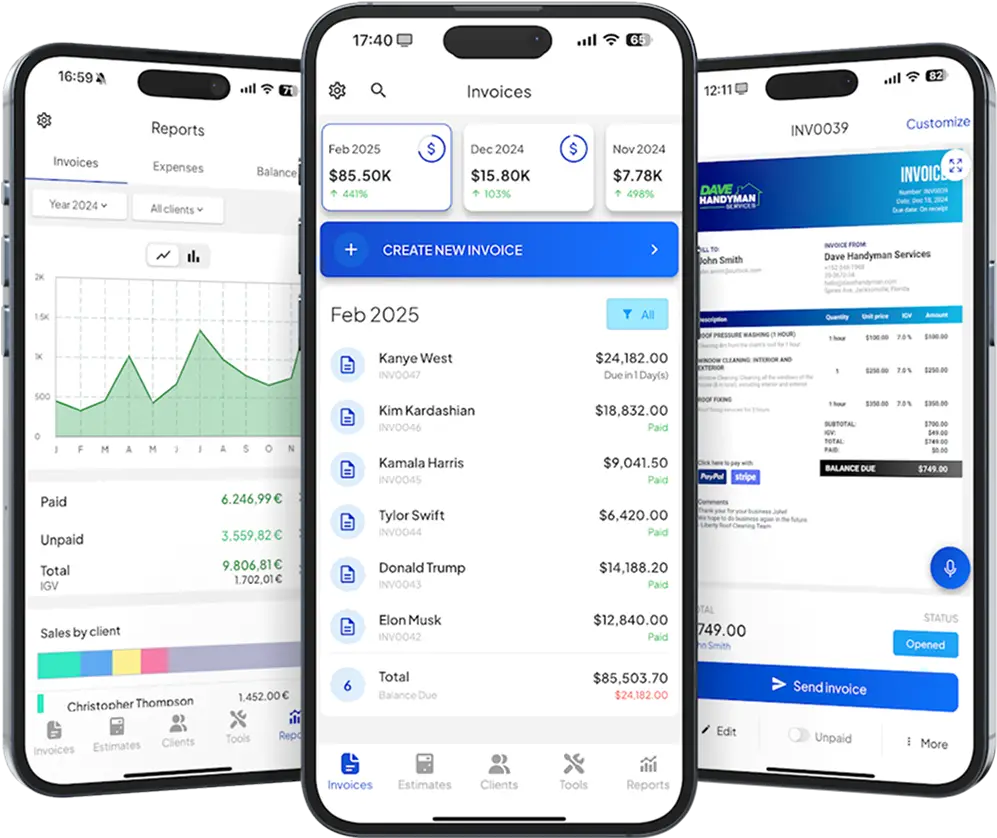
Businesses managing recurring repair work often stay more organized with software for a handyman that combines scheduling, invoicing, and customer communication.
User-friendly design
Good handyman website design should prioritize:
- Fast loading speed
- Mobile responsiveness
- Clear navigation
- Easy contact buttons
- Simple layouts
Overly complicated websites often increase bounce rates and reduce quote requests.
Top handyman websites for design inspiration

Looking at handyman website examples can help you understand what works well for branding, local SEO, and lead generation.
Some of the best handyman websites include:
- Mr. Handyman — strong local SEO and franchise-style branding
- Ace Handyman Services — clean navigation and easy booking flow
- HandyMangum — excellent before-and-after visuals
- House Doctors — trust-focused design and strong service pages
Many successful handyman websites share similar features:
- Clear calls-to-action
- Mobile-friendly layouts
- Real project photos
- Strong reviews
- Local service pages
- Simple navigation
Businesses improving online visibility often revisit how to start a handyman business while refining marketing systems and local lead generation strategies.
How can you improve a handyman website?
Even older handyman websites can generate more leads with a few practical improvements.
1. Make the design clean and navigation easy
Visitors should quickly understand:
- What services you offer
- Where you work
- How to contact you
Simple layouts usually outperform cluttered websites.
2. Make sure your website is mobile-friendly
Most customers search for handyman services on their phones.
Your mobile layout should include:
- Fast loading speed
- Tap-to-call buttons
- Simple menus
- Easy quote forms
3. Show reviews and testimonials
Reviews help increase trust and improve conversions.
Customer testimonials should include:
- Real names
- Project details
- Photos when possible
4. Optimize your service pages
Each page should focus on one repair category.
Examples include:
- Drywall repair
- Fence repair
- TV mounting
- Door installation
- Deck repair
Businesses adding new services often improve profitability by learning how to price handyman jobs correctly before expanding.
5. Have clear CTAs
Good handyman websites make it obvious what customers should do next.
Examples include:
- Request a quote
- Call now
- Schedule service
- Book online
6. Make it easy to book a job
Simple booking systems improve lead conversion rates.
Businesses handling multiple estimates weekly can also simplify workflows with a free handyman estimate template.
7. Use Local Services Ads
Google Local Services Ads help handyman businesses appear above traditional search ads and generate more local leads.
Which is the best handyman website builder?
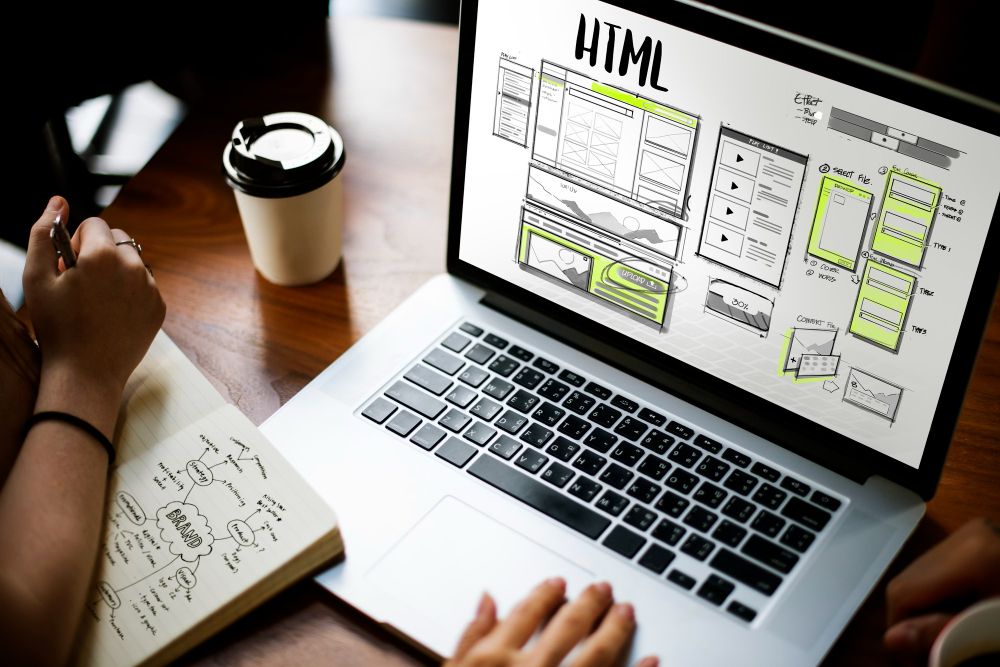
The best handyman website builder depends on your budget and technical skills.
Popular options include:
- Wix
- Squarespace
- WordPress
- Webflow
For example:
- Wix works well for beginners
- WordPress offers more SEO flexibility
- Webflow allows highly modern custom designs
Businesses growing operations may also improve scheduling and customer management with a dedicated handyman app.
Keep your handyman website, quotes, and customer communication organized
As your handyman business grows, managing service requests, estimates, invoices, and customer follow-ups becomes more difficult without organized systems.
Using software for a handyman helps contractors manage scheduling, invoicing, customer communication, and recurring repair jobs more efficiently from one place.
Growing handyman businesses can also simplify billing workflows using a free invoice generator and a free handyman invoice template for professional estimates and invoices.