General Contractor Job Description: What to Include (with Examples)
Table of Contents
- How to write a general contractor job description
- Structure of a general contractor job description
- General contractor job description: education and training requirements
- General contractor job description: qualifications and skills
- General contractor salary expectations
- General contractor job description examples
- Other things to address in a general contractor job description
- Simplify general contractor scheduling, billing, and project management
- FAQs
A general contractor job description explains the role of the person who plans, coordinates, and oversees construction projects from start to finish, serving as the main point of contact between owners, subcontractors, suppliers, and inspectors.
A construction general contractor job description typically includes responsibilities such as project scheduling, budgeting, permitting, subcontractor management, safety compliance, material procurement, and quality control to ensure projects are completed on time and within budget.
How to write a general contractor job description
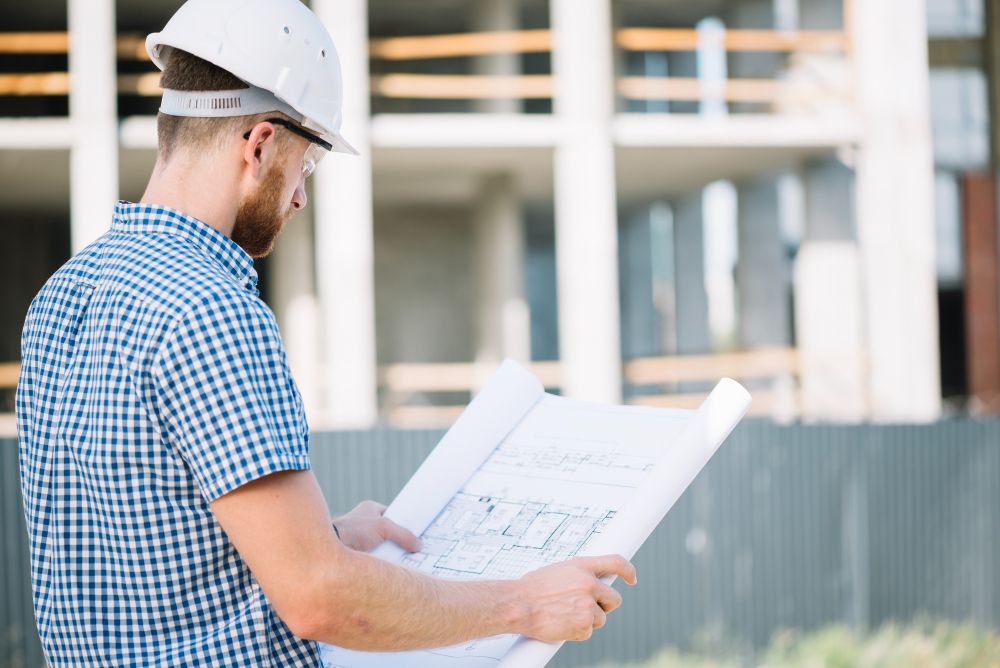
Writing a strong general contractor job description starts with clearly explaining the role, responsibilities, qualifications, and project expectations. A well-written description helps attract qualified candidates while reducing confusion during hiring.
Most construction companies include:
- Job title
- Company overview
- Project type
- Daily responsibilities
- Required certifications
- Experience expectations
- Salary range
- Reporting structure
For example, a residential remodeling company hiring a project-focused contractor may prioritize customer communication and subcontractor coordination, while a commercial contractor may emphasize budgeting, permitting, and OSHA compliance.
Strong job descriptions also explain the work environment. A construction general contractor job description often involves:
- Job site supervision
- Outdoor work
- Physical demands
- Tight schedules
- Team leadership
- Vendor coordination
Clear expectations improve hiring quality and help applicants determine whether the role fits their experience.
Companies building hiring systems can also learn more about how to start a general contracting business and create more structured operations early.
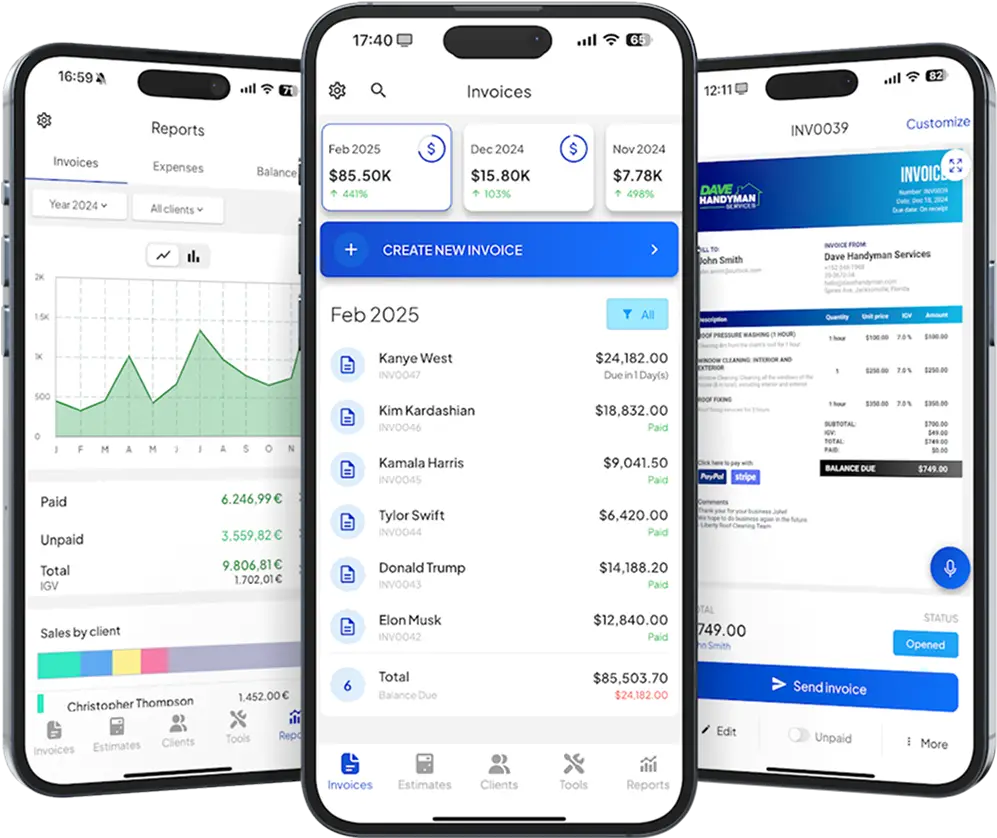
Need a better way to organize estimates, invoices, and project paperwork while managing construction jobs? Speed up your workflow with our invoice maker and keep projects organized from bidding through final payment.
Structure of a general contractor job description
Most general contractor job descriptions follow a similar structure that outlines the role clearly and professionally.
Job title
The title should match the actual responsibilities of the role.
Examples include:
- General Contractor
- Construction General Contractor
- Residential General Contractor
- Commercial General Contractor
- Assistant General Contractor
- General Contractor Laborer
Using accurate titles improves job visibility on hiring platforms and helps attract more relevant applicants.
Company introduction
The company introduction explains who the employer is and what type of projects they handle.
For example:
A residential construction company may focus on custom homes and remodeling projects, while a commercial contractor may specialize in retail build-outs and office renovations.
This section should also include:
- Company size
- Service areas
- Years in business
- Construction specialties
- Team culture
Job summary
The summary provides a short overview of the position.
A general building contractor job description summary may explain that the contractor oversees project timelines, manages subcontractors, ensures code compliance, and communicates with clients throughout construction.
Good summaries stay concise while outlining the purpose of the role clearly.
Responsibilities
Responsibilities usually make up the largest section of the description.
Common general contractor responsibilities include:
- Managing construction schedules
- Hiring subcontractors
- Coordinating inspections
- Monitoring budgets
- Ordering materials
- Reviewing permits
- Supervising labor crews
- Ensuring OSHA compliance
- Communicating with clients
According to OSHA, contractors are responsible for maintaining safe working conditions and complying with construction safety standards.
Businesses building long-term hiring systems can also benefit from reviewing general contracting resources and operational best practices.
Qualifications & skills
This section outlines the required qualifications and technical abilities.
Requirements often include:
- Construction management experience
- Scheduling knowledge
- Budgeting skills
- Leadership experience
- Building code knowledge
- Communication skills
- Software proficiency
Companies hiring contractors may also request state licensing depending on local regulations.
General contractor job description: education and training requirements

Most general contractors build experience through a combination of education, field training, and hands-on construction work.
Project planning and scheduling
General contractors must understand scheduling, timelines, and project coordination.
For example, delays involving plumbing or electrical inspections can impact every phase of construction if schedules are not managed carefully.
Contractors often use scheduling software to track:
- Labor timelines
- Material deliveries
- Inspection dates
- Subcontractor schedules
Permitting and compliance
Contractors are responsible for understanding local building codes and permit requirements.
This may include:
- Permit applications
- Inspection scheduling
- Code compliance
- OSHA safety standards
Permitting errors can delay projects and increase costs significantly.
Subcontractor management
General contractors coordinate subcontractors throughout construction projects.
This includes:
- Hiring subcontractors
- Scheduling crews
- Reviewing work quality
- Managing conflicts
- Verifying insurance coverage
For example, framing delays may affect electricians, drywall installers, and painters later in the schedule.
Budgeting and cost control
Budget management is a critical part of construction.
General contractors track:
- Labor costs
- Material expenses
- Change orders
- Vendor invoices
- Equipment rentals
Strong budgeting skills help contractors maintain profitability while avoiding project overruns.
Quality control and safety
General contractors oversee workmanship quality and job site safety.
Safety responsibilities may include:
- PPE enforcement
- Hazard identification
- Site inspections
- OSHA compliance
- Safety meetings
According to the Bureau of Labor Statistics, construction managers and contractors often work under strict deadlines while balancing safety and cost management.
Client communication
General contractors also act as the primary communication point between clients and construction teams.
This includes:
- Project updates
- Timeline discussions
- Change order approvals
- Budget conversations
- Problem resolution
Strong communication improves customer trust and reduces disputes during construction.
Contractors improving operational systems often review what a contractor does to better define responsibilities across teams and job descriptions.
General contractor job description: qualifications and skills

Successful contractors need both technical construction knowledge and leadership abilities.
Experience
Most employers prefer candidates with several years of construction experience.
Experience may include:
- Residential construction
- Commercial construction
- Remodeling projects
- Site supervision
- Crew management
Technical knowledge
General contractors should understand:
- Construction methods
- Building materials
- Blueprints
- Structural systems
- Estimating processes
- Safety standards
Leadership
General contractors manage crews, subcontractors, vendors, and project timelines simultaneously.
Strong leadership helps maintain productivity and resolve conflicts quickly.
Licenses
Licensing requirements vary by state. For example, some states require contractor licensing exams, insurance coverage, and continuing education before contractors can operate legally. Check out our guide on Michigan builders license requirements for an insight into what is required.
Software and hardware
Modern contractors often use:
- Construction management software
- Estimating tools
- Scheduling platforms
- Mobile inspection apps
- Digital blueprint software
Soft skills
Important soft skills include:
- Communication
- Organization
- Problem-solving
- Negotiation
- Time management
- Attention to detail
Contractors managing risk and client expectations should also understand general liability insurance for contractors before overseeing larger projects.
General contractor salary expectations
General contractor salaries vary based on experience, location, specialization, and project size.
Residential contractors managing smaller remodeling projects may earn less than commercial contractors overseeing multi-million-dollar developments.
According to the Bureau of Labor Statistics, construction managers earn median annual salaries above $100,000, although income varies significantly based on region and project type.
General contractor compensation may include:
- Base salary
- Project bonuses
- Profit sharing
- Vehicle allowances
- Benefits packages
Self-employed contractors may also generate higher income depending on project volume and business growth.
Contractors comparing material suppliers and pricing strategies may also benefit from reviewing Lowes vs Home Depot and Home Depot benefits when managing purchasing decisions.
General contractor job description examples

Example 1
Residential General Contractor
We are seeking an experienced residential general contractor to oversee remodeling and custom home projects. Responsibilities include managing subcontractors, coordinating inspections, maintaining schedules, reviewing budgets, and communicating with homeowners throughout construction.
Requirements:
- 5+ years of residential construction experience
- Knowledge of local building codes
- Scheduling and budgeting experience
- Strong communication skills
Example 2
Commercial General Contractor
Commercial construction company seeking a general contractor to supervise retail and office build-out projects. Candidate must manage subcontractors, permits, project schedules, vendor coordination, and safety compliance across multiple active job sites.
Requirements:
- Commercial construction experience
- OSHA knowledge
- Scheduling software proficiency
- Budget management experience
Example 3
General Contractor Assistant
Growing construction company hiring a general contractor assistant to support scheduling, material coordination, permit tracking, and subcontractor communication.
Requirements:
- Construction administration experience preferred
- Strong organizational skills
- Microsoft Office proficiency
- Communication and scheduling experience
The Small Business Administration also provides guidance on contract structures and project agreements commonly used in construction work.
Other things to address in a general contractor job description
What makes a good general contractor?
Good general contractors combine construction knowledge, leadership, organization, budgeting, and communication skills.
Strong contractors keep projects moving while solving problems quickly and maintaining positive relationships with clients and subcontractors.
Do general contractors responsibilities differ in different industries
Yes. Residential contractors often focus heavily on homeowner communication and remodeling timelines, while commercial contractors manage larger budgets, stricter compliance requirements, and more subcontractor coordination.
Industrial construction may involve additional safety and regulatory requirements.
Who reports to the general contractor?
Depending on project size, the following roles may report to a general contractor:
- Site supervisors
- Laborers
- Assistant project managers
- Administrative assistants
- Subcontractors
- Foremen
Larger projects may also involve construction managers and project engineers.
Simplify general contractor scheduling, billing, and project management
General contractors manage estimates, subcontractors, schedules, permits, invoices, and client communication every day. As projects grow, keeping paperwork and job tracking organized becomes more difficult.
Using a free invoice generator helps contractors create professional invoices faster while improving billing workflows for residential and commercial construction projects.
Construction companies can also improve organization with digital estimating, scheduling, and customer management tools that help keep projects moving efficiently from the first bid through final payment.