How to Become an Appliance Repair Technician: Salary, Training, and Skills
Table of Contents
- What is an appliance repair technician?
- What does an appliance repair technician do?
- How much does an appliance repair technician make?
- What is the job outlook for an appliance repair technician?
- Skills needed to become an appliance repair technician
- How to become an appliance repair technician
- Next steps after becoming a technician
- FAQs
To become an appliance repair technician, start by learning electrical systems, appliance diagnostics, safety procedures, and basic repair techniques. Many technicians complete vocational or online training before gaining hands-on experience through an apprenticeship or entry-level job. A four-year degree usually isn’t required, but certification may be necessary for certain types of work, particularly appliances containing regulated refrigerants.
This guide covers:
- What an appliance repair technician does
- Appliance repair technician salary and job outlook
- Skills you need to work in appliance repair
- How to become an appliance repair technician in six steps
- Training, certification, and licensing requirements
- What to do after qualifying
What is an appliance repair technician?

An appliance repair technician diagnoses, maintains, and repairs household appliances such as refrigerators, washing machines, dryers, dishwashers, ovens, and ranges. They may work for an appliance repair company, manufacturer, retailer, or independently.
Technicians need both mechanical and electrical knowledge because modern appliances can include motors, heating elements, pumps, sensors, electronic controls, and complex wiring.
If your long-term goal is self-employment, our guide on how to start an appliance repair business covers the steps involved in moving from technician to business owner.
What does an appliance repair technician do?
Appliance technicians identify faults, replace or repair damaged components, test appliances, and explain repairs to customers. Some also handle appliance installation and routine maintenance.
Typical responsibilities include:
- Diagnosing electrical and mechanical faults
- Repairing refrigerators, ovens, dishwashers, washers, and dryers
- Replacing damaged or worn components
- Reading wiring diagrams and service manuals
- Testing appliances after repairs
- Providing customers with repair estimates
- Maintaining tools and replacement parts
- Recording completed service work
The exact work depends on the technician’s employer and specialization. Some provide a wide range of appliance repair services, while others specialize in areas such as refrigeration or washing machine and dryer repair.
How much does an appliance repair technician make?

Pay varies by experience, location, employer, and specialization. The Bureau of Labor Statistics classifies appliance repair technicians under home appliance repairers and reported a mean hourly wage of $24.80 and mean annual wage of $51,580 in May 2023.
Technicians with specialist skills or experience may earn more, while self-employed technicians’ income depends on factors such as pricing, workload, expenses, and the number of jobs completed.
Our appliance repair technician salary guide covers wages and earning potential in more detail.
What is the job outlook for an appliance repair technician?
Appliance repair remains a skilled trade centered on diagnosing and fixing equipment customers rely on every day. Technicians can work for established appliance repair companies, manufacturers, retailers, or build their own customer base.
The industry is classified under NAICS 811412: Appliance Repair and Maintenance, which covers businesses primarily engaged in repairing and servicing household appliances.
Developing skills across several appliance types can give you more flexibility when applying for jobs and deciding which services to offer later in your career.
Skills needed to become an appliance repair technician
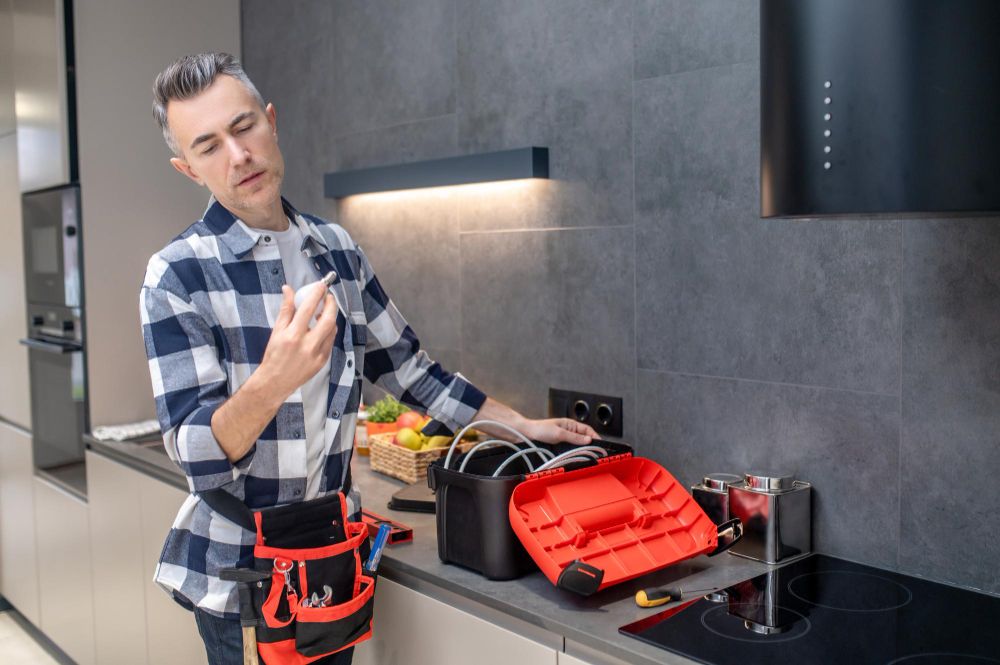
Successful technicians combine technical knowledge with problem-solving and customer service skills.
Important skills include:
- Electrical and mechanical troubleshooting
- Reading wiring diagrams and schematics
- Using multimeters and diagnostic equipment
- Understanding appliance components
- Attention to detail
- Manual dexterity
- Problem-solving
- Customer communication
- Time management
- Safe working practices
Physical ability is also important. Appliance technicians may need to move machines, lift components, kneel, bend, and work in tight spaces.
How to become an appliance repair technician
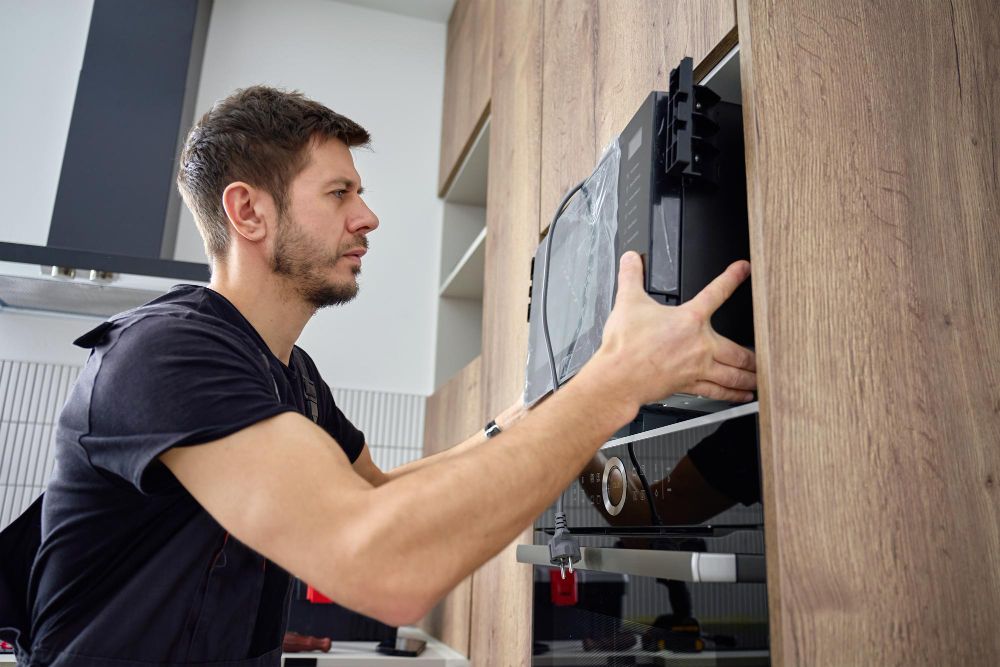
There’s no single route to becoming an appliance repair technician. However, most aspiring technicians need technical training and practical experience before working independently. The following outlines six core steps, from finding training to continuing your education throughout your career.
1. Find training opportunities
Start by researching vocational schools, community colleges, online courses, apprenticeships, and employer training programs in your area.
Look for training that covers:
- Electrical fundamentals
- Appliance components
- Diagnostics and troubleshooting
- Wiring diagrams
- Multimeter use
- Repair procedures
- Workplace safety
Compare course content, cost, practical training opportunities, and any certifications included before enrolling.
2. Receive technical and vocational training
Formal training isn’t always mandatory in order to become an appliance repair technician, but it can give you a stronger foundation before you start working on customers’ appliances.
A good repair course should teach you how major appliances work and how to diagnose faults rather than simply replace parts. Practical training is particularly valuable because you’ll need experience using tools, testing electrical components, and troubleshooting real machines.
You can then build on that knowledge through hands-on practice or entry-level service work.
3. Get certification and licenses
Certification requirements depend on the type of appliances you repair and where you work. If you service refrigerators, freezers, or other equipment containing regulated refrigerants, you may need EPA Section 608 certification.
You should also check state and local licensing requirements before working independently. Our guide to appliance repair certification explains the different credentials and when you may need them.
A valid driver’s license is also commonly required for technicians who travel between customers in a service vehicle.
4. Get some experience
When learning how to become an appliance repair technician, hands-on experience is essential for developing your diagnostic and repair skills. Look for apprenticeships, internships, or entry-level positions where you can work alongside experienced technicians.
Real service calls teach you how to diagnose problems efficiently, work on different appliance brands, communicate with customers, and decide whether a component should be repaired or replaced.
Start with common repairs and gradually build experience across refrigerators, washing machines, dryers, dishwashers, ovens, and other appliances.
5. Find a job
Once you have basic training and practical experience, start applying for entry-level appliance service technician roles.
Potential employers include:
- Appliance repair companies
- Appliance manufacturers
- Retailers
- Property maintenance companies
- Warranty service providers
Highlight your technical training, certifications, hands-on experience, driver’s license, and familiarity with different appliance types on your resume.
Another option is eventually working independently. Before accepting your own customers, make sure you understand local business requirements and have appropriate appliance repair business insurance.
6. Keep on learning
Appliance technology continues to change, so learning shouldn’t stop once you find a job. Newer machines increasingly use electronic controls, sensors, diagnostic codes, and connected technology.
Keep your skills current through manufacturer training, technical courses, service manuals, and additional certifications. Learning to repair a wider range of appliances can also make you more valuable to employers and expand the services you can offer independently.
Our guide on how to start an appliance repair business explains how to turn your repair skills into a business, from choosing services and getting insured to finding your first customers.
Next steps after becoming a technician
Once you have learned how to become an appliance repair technician and built your skills and experience, you can specialize, progress into a senior technician role, or start working for yourself.
If you choose self-employment, you’ll need to set prices, market your services, manage customer appointments, prepare estimates, and collect payments. An appliance repair website can help customers find and contact you, while software for an appliance repair business can help organize jobs, customer information, estimates, and invoices.