Pressure Washing Technician: Skills, Training, and Career Guide
Table of Contents
- What is a pressure washing technician?
- What does a pressure washing technician do?
- How much does a pressure washing technician make?
- What is the job outlook for a pressure washing technician?
- Skills needed to become a pressure washing technician
- How to become a pressure washing technician
- Next steps after becoming a pressure washing technician
- FAQs
A pressure washing technician uses professional cleaning equipment, water pressure, and cleaning solutions to remove dirt, mold, algae, stains, and grime from exterior surfaces. Common jobs include cleaning driveways, siding, patios, decks, fences, gutters, and commercial properties. To become a pressure washing technician, you’ll need to learn safe equipment use, surface-specific cleaning techniques, and how to choose the right pressure for each job.
This guide covers:
- What a pressure washing technician does
- Pressure washing technician salary and job outlook
- Skills and safety knowledge you need
- How to become a pressure washing technician in six steps
- Certification and licensing requirements
- How to turn your skills into a career or business
What is a pressure washing technician?
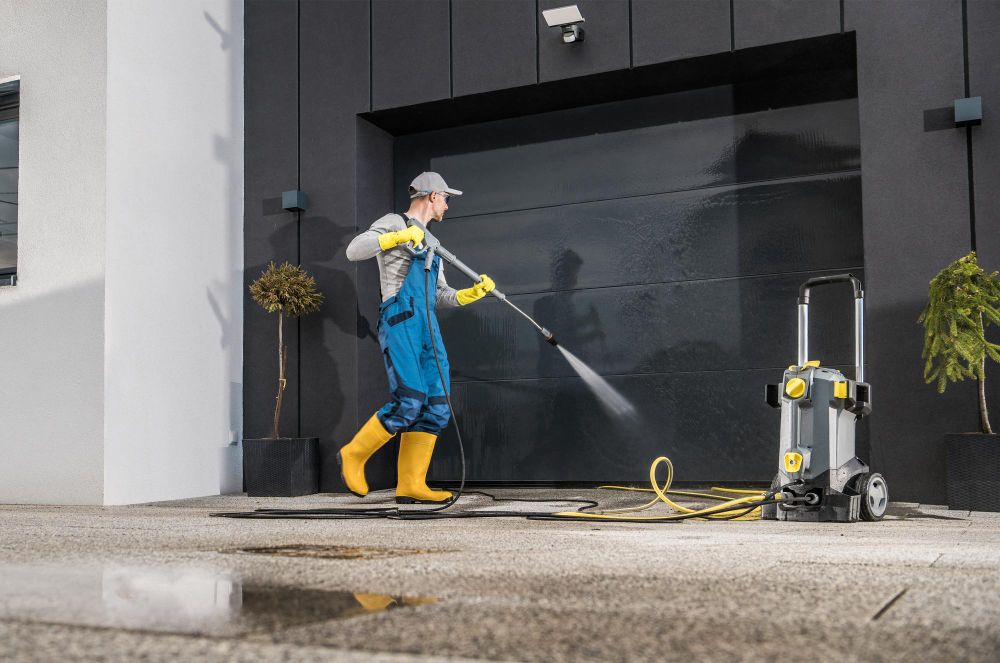
A pressure washing technician is an exterior cleaning professional who uses pressure washers, surface cleaners, hoses, nozzles, and cleaning solutions to clean residential and commercial properties.
Technicians may work for an established cleaning company or operate independently. Some specialize in specific pressure washing services, while others offer related services such as gutter cleaning, window cleaning, roof cleaning, and soft washing.
If your goal is to work independently, our guide on how to start a pressure washing business covers equipment, pricing, licensing, marketing, and finding customers.

What does a pressure washing technician do?
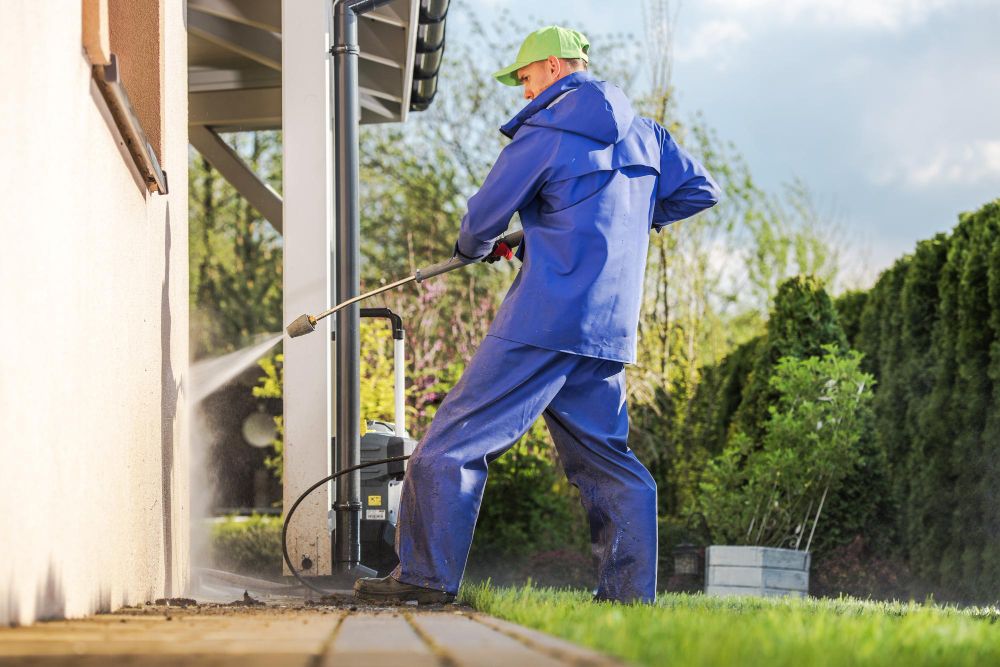
Pressure washing technicians assess each surface, choose suitable equipment and cleaning methods, complete the work safely, and check the finished result.
Typical responsibilities include:
- Cleaning driveways, patios, decks, and sidewalks
- Washing siding, fences, and exterior walls
- Setting up hoses, nozzles, and surface cleaners
- Mixing and applying cleaning solutions
- Adjusting water pressure for different materials
- Using soft washing where high pressure could cause damage
- Maintaining pressure washing equipment
- Preparing and cleaning job sites
- Communicating with customers
Knowing how to use a pressure washer correctly is essential. Too much pressure can damage siding, wood, paint, and other surfaces, while the wrong cleaning method may fail to remove stains effectively.
Safety and environmental requirements can also depend on the job. For example, the EPA provides specific guidance on containing water and debris when pressure washing surfaces covered by lead-based paint during work subject to its Renovation, Repair and Painting Rule.
How much does a pressure washing technician make?
A pressure washer technician’s salary varies by location, experience, employer, and the type of work performed. Technicians may be paid hourly, per job, or earn income through their own pressure washing business.
Self-employed technicians have greater control over their prices, but they also need to account for fuel, chemicals, equipment maintenance, insurance, marketing, and travel time when calculating profit.
Our guide on how much pressure washers make covers income and earning potential in more detail, while our pressure washing prices guide explains how contractors can price individual services.
What is the job outlook for a pressure washing technician?
The BLS doesn’t track pressure washing technicians as a separate occupation, so there isn’t a specific national job growth figure for this role. However, pressure washing falls within the broader outdoor property maintenance and cleaning market. The Bureau of Labor Statistics provides employment and outlook data for related grounds maintenance occupations.
Pressure washing technicians can work for exterior cleaning companies, property maintenance businesses, or as independent contractors. Offering services such as house washing, driveway cleaning, gutter cleaning, and soft washing can also create more opportunities for work throughout the year.
Skills needed to become a pressure washing technician
Pressure washing involves more than knowing how to operate the machine. Technicians need to understand how pressure, chemicals, distance, and nozzle selection affect different surfaces.
Important skills include:
- Pressure washer operation
- Surface and material identification
- Cleaning solution knowledge
- Soft washing techniques
- Equipment maintenance
- Attention to detail
- Physical stamina
- Customer communication
- Time management
- Safe working practices
You should also know how to inspect a job before starting and recognize surfaces that require a lower-pressure approach. Familiarity with common pressure washing tools will help you work more safely and efficiently.
How to become a pressure washing technician
There is no single required career path for pressure washing technicians. The most important steps are learning how the equipment works, understanding safety, practicing on different surfaces, and checking any licensing requirements where you operate. The brief sets out six steps for building those skills and moving into paid work.
1. Find training opportunities
Start with pressure washing courses, manufacturer training, online instruction, or supervised training with an experienced technician.
Look for training that covers:
- Equipment setup
- Pressure and nozzle selection
- Cleaning chemicals
- Surface identification
- Soft washing
- Equipment maintenance
- Personal protective equipment
- Job-site safety
Training should teach you why different techniques are used rather than simply how to turn on a pressure washer.
2. Receive pressure washing and safety training
Before working on customer properties, learn how to control pressure, choose the correct nozzle, handle cleaning chemicals, and protect surrounding areas.
Safety training should cover:
- Eye and skin protection
- Safe equipment startup and shutdown
- Chemical handling
- Electrical hazards
- Ladder and roof safety
- Protecting plants and nearby property
- Managing wastewater and runoff
Pressure washing can damage surfaces or cause injury when equipment is used incorrectly, so practical safety training is an important part of becoming a technician.
3. Get some hands-on experience
Practice is the best way to learn how different materials respond to pressure and cleaning solutions. Start with lower-risk surfaces such as concrete before progressing to siding, wood, roofs, and other materials that can be easier to damage.
Working alongside an experienced pressure washing contractor can also teach you how to assess jobs, select equipment, work efficiently, and communicate with customers.
4. Get certification and licenses
There is no single national pressure washing certification or license required across the U.S. Requirements depend on your state, city, services, and business setup.
If you plan to work independently, check whether you need:
- A general business license
- A contractor or specialty license
- Environmental permits
- Liability insurance
- Workers’ compensation
- Local wastewater or runoff compliance
Our guide to getting a pressure washer business license explains common requirements, while pressure washer business insurance can help you understand the coverage you may need.
Optional industry training or certification can also help demonstrate your knowledge to customers, but it doesn’t replace any licenses legally required where you operate.
5. Find a pressure washing job
Once you’ve built basic skills and hands-on experience, look for pressure washing technician jobs with exterior cleaning companies, property maintenance businesses, or established contractors.
When applying, highlight your:
- Equipment experience
- Safety training
- Surface-cleaning knowledge
- Driving experience
- Customer service skills
- Related exterior cleaning experience
Working for an established company can help you gain experience across different properties before deciding whether you want to work independently.
6. Keep on learning
Continue developing your skills as you encounter new surfaces, equipment, chemicals, and cleaning methods. Manufacturer training and professional courses can help you stay current.
Learning complementary services such as soft washing, gutter cleaning, or roof cleaning can also broaden the types of jobs you’re able to take on.
Next steps after becoming a pressure washing technician
Once you’re confident working independently, you can continue as an employee or turn your skills into your own business.
Running a pressure washing business means taking responsibility for more than cleaning. You’ll need to calculate costs, prepare estimates, schedule jobs, market your services, maintain equipment, and collect payments. Clear pressure washing contracts can also help define the work, price, and responsibilities before each job begins.
If business ownership is your next step, our guide on how to start a pressure washing business walks through the process in more detail.
A professional pressure washing estimate template can help you quote customers consistently as you begin taking on your own work.