Tree Service Contractor: Responsibilities, Skills & Types
Table of Contents
- What is a tree service contractor?
- Core responsibilities of tree service contractors
- Essential skills for tree service contractors
- Types of tree service contractors and projects
- How tree service contractors manage projects day to day
- Building a strong reputation as a tree service contractor
- Build a professional tree service business
- FAQs
A tree service contractor is a professional or business that provides tree care services such as pruning, tree removal, stump removal, planting, and land clearing. Depending on the location and type of work, contractors may also need specific licenses, insurance, equipment, or arboriculture training.
Tree service contractors can work with homeowners, businesses, property managers, and public organizations to maintain trees and remove hazardous or unwanted growth.
What is a tree service contractor?
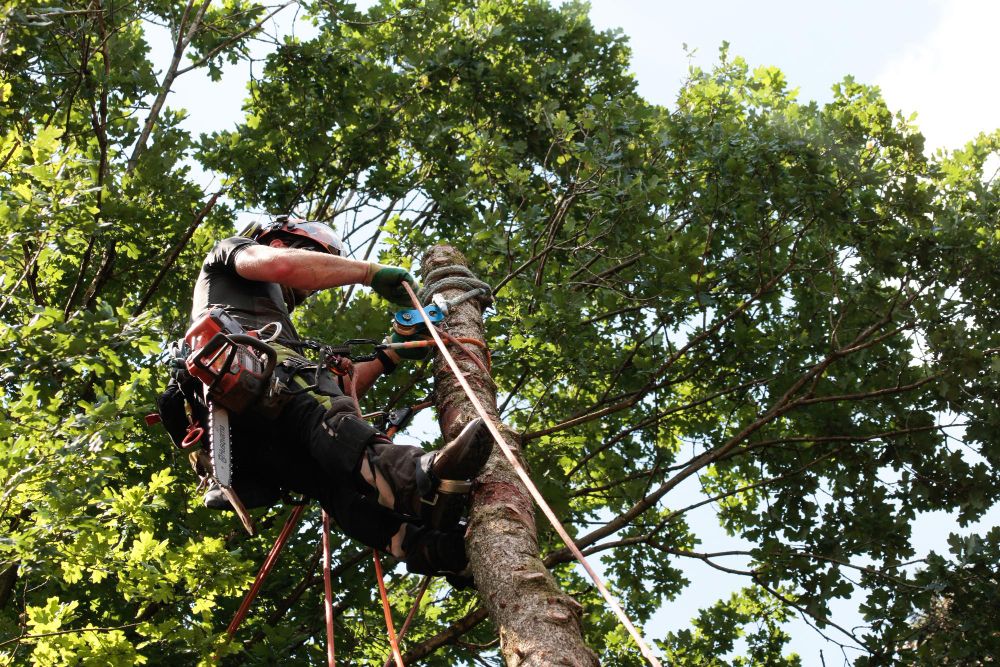
A tree service contractor provides professional services for maintaining, pruning, planting, or removing trees. Their work can range from routine tree trimming to complex removals requiring specialized equipment and safety procedures.
Tree care can involve significant hazards. OSHA provides specific guidance for tree care operations, including information on falls, falling objects, chainsaws, and electrical hazards.
For more detail on setting up and managing this type of company, see our guide on how to start a tree removal service business.
Tree service contractors vs. arborists
The Bureau of Labor Statistics classifies tree trimmers and pruners as workers who use climbing and rigging techniques to cut away excess or dead branches and maintain trees and shrubs.
A tree service contractor focuses on completing tree care projects, while an arborist specializes in the care and management of trees. Some of them are also trained or certified arborists.
An arborist may assess tree health, recommend treatment, or advise whether a tree should be removed. Learn more about what an arborist does and the different arborist services they provide.
Tree service contractors vs. landscapers
Landscapers typically maintain outdoor spaces through services such as lawn care, planting, and general landscape maintenance. Tree service contractors focus more specifically on trees, including pruning, removal, stump grinding, and related work.
Some businesses provide both landscaping and tree services, but tree work may require different equipment, training, insurance, or licensing.
Tree service contractors vs. general contractors
General contractors typically manage broader construction or renovation projects. Tree service contractors specialize in tree care and removal.
Licensing rules vary by location and scope of work, so a general contractor license does not automatically authorize every type of tree service. Contractors should check state and local requirements before offering regulated services.
Typical projects tree service contractors handle
Common tree contractor services include:
- Tree pruning and trimming
- Tree removal
- Stump removal or grinding
- Tree and shrub planting
- Emergency tree removal
- Tree maintenance
- Land and lot clearing
- Hazardous tree assessment
- Storm-damage cleanup

Core responsibilities of tree service contractors
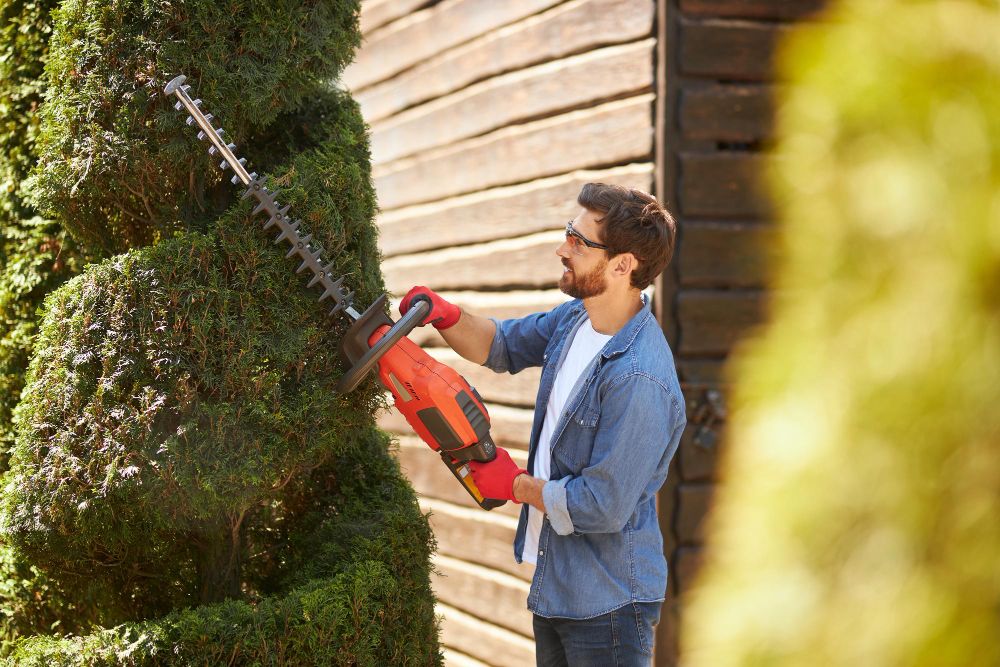
A tree service contractor is responsible for completing work safely, efficiently, and according to the agreed scope. Responsibilities vary by project but commonly include:
- Inspecting trees and work areas
- Preparing estimates and project scopes
- Pruning or removing trees
- Operating chainsaws, lifts, chippers, and other equipment
- Protecting nearby buildings and property
- Managing debris and cleanup
- Communicating with customers
- Maintaining job records and invoices
Safety is particularly important around power lines. OSHA provides specific requirements and guidance for line-clearance tree-trimming operations.
Contractors also need appropriate equipment for each project. Our guide to tree trimming tools covers common tools and equipment used for professional tree work.
Essential skills for tree service contractors
Tree service contractors need a combination of technical, safety, and business skills. Important skills include:
- Tree identification and basic tree care knowledge
- Safe pruning and removal techniques
- Equipment operation
- Hazard recognition
- Job estimating
- Customer communication
- Project planning
- Team coordination
- Record keeping and invoicing
Running a tree service also requires contractors to understand the business side of their work. Appropriate tree service insurance can help protect the business against risks associated with tree care operations.
Types of tree service contractors and projects

Tree service contractors may specialize in different areas depending on their training, equipment, and customers.
- Residential tree contractors work primarily with homeowners, handling pruning, removals, stump grinding, and storm cleanup.
- Commercial tree contractors maintain trees around businesses, apartment complexes, developments, and other commercial properties.
- Emergency tree service contractors respond to fallen, damaged, or hazardous trees, particularly after storms or severe weather.
- Tree planting contractors focus on planting and establishing trees and shrubs for residential, commercial, or landscaping projects.
- Land-clearing contractors remove trees, brush, and vegetation to prepare sites for construction or other uses.
Some contractors offer several of these services rather than specializing in one area. The right service mix depends on local demand, equipment, expertise, and licensing requirements.
If you’re developing your business, our guide on how to start a tree removal service business covers planning, equipment, pricing, insurance, and other essentials.
How tree service contractors manage projects day to day
Contractors balance field work with scheduling, customer communication, estimates, and billing. A typical project may involve:
- Inspecting the site and tree
- Identifying hazards and equipment needs
- Preparing an estimate
- Scheduling the crew and equipment
- Completing the work
- Removing debris and cleaning the site
- Invoicing the customer
- Recording job details for future reference
Clear estimates are especially important for jobs where tree size, location, access, and equipment can affect costs. Use a free tree removal invoice template for consistent billing and review typical tree removal service costs to help price jobs.
Building a strong reputation as a tree service contractor
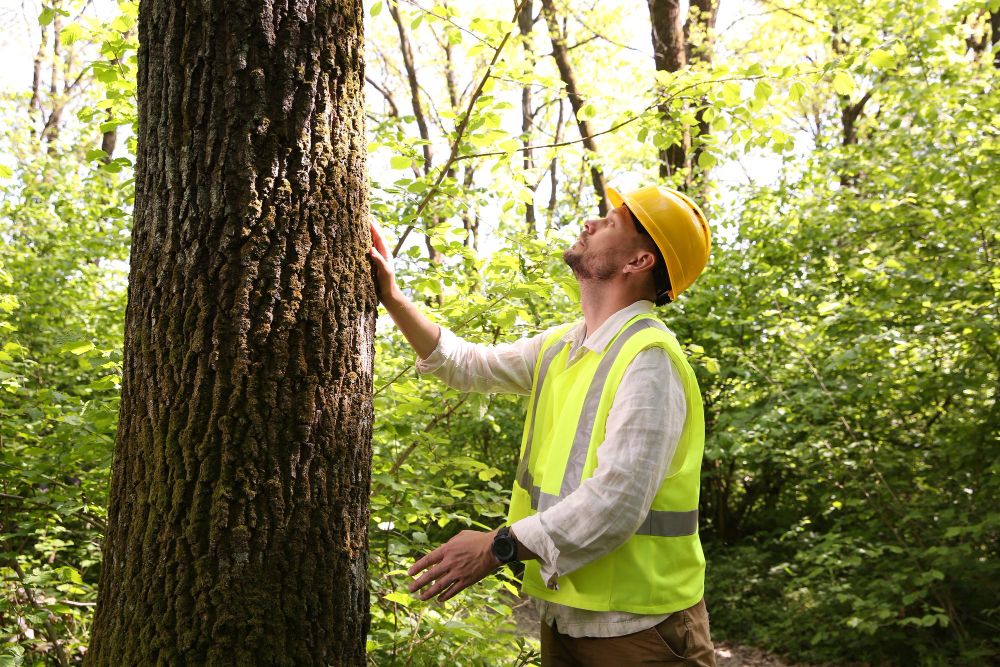
A strong reputation depends on reliable work, clear communication, safety, and professional customer service. Contractors can build trust by:
- Providing clear estimates and contracts
- Arriving when scheduled
- Explaining the proposed work
- Protecting surrounding property
- Following appropriate safety procedures
- Cleaning the site after completion
- Keeping licenses and insurance current
- Responding professionally to customer feedback
Professional qualifications can also strengthen credibility. Contractors interested in expanding their expertise can learn how to become a licensed arborist and whether certification is relevant to the services they provide.
Build a professional tree service business
Successful tree service contractors combine practical tree care skills with safe working practices and effective business management. The exact services, equipment, licenses, and qualifications needed depend on the type of work and local requirements.
Using free tree service software can also help you manage estimates, invoices, customers, and payments as your workload grows.