What Does a Handyman Do? Jobs They Can and Can’t Do
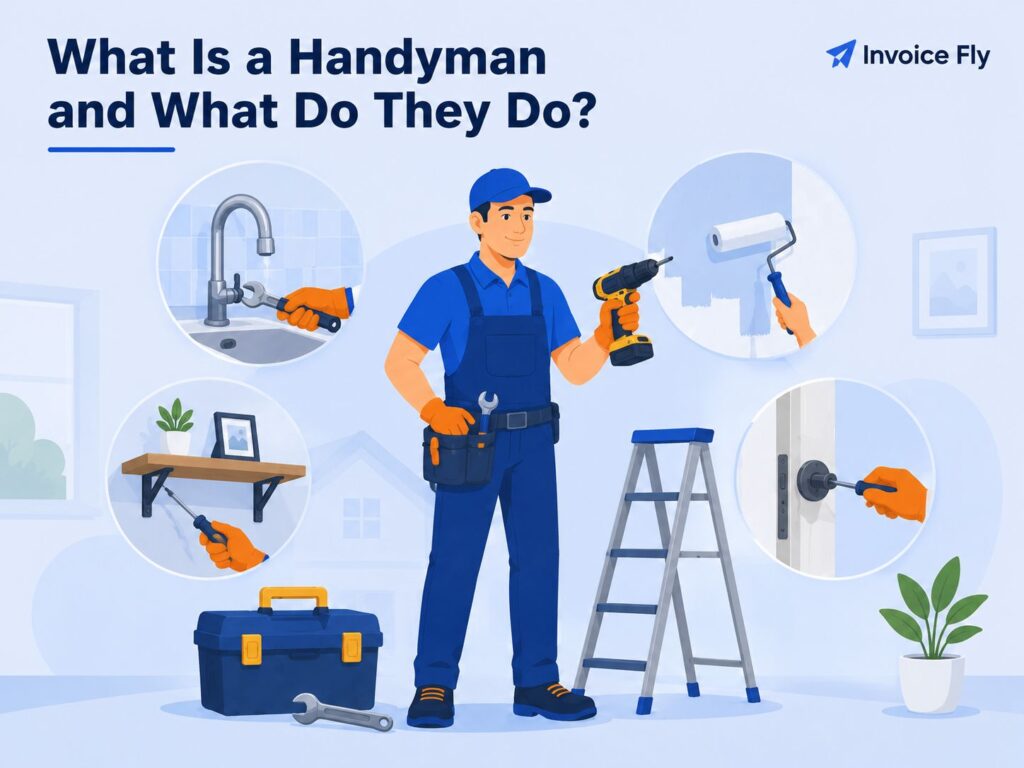
Table of Contents
A handyman is a skilled tradesperson who performs a wide range of small repair, maintenance, and improvement jobs around homes and commercial properties.
Handymen are commonly hired for tasks like fixing leaky faucets, patching drywall, installing light fixtures, assembling furniture, painting, and general property maintenance.
Unlike licensed contractors, they usually focus on non-structural work that doesn’t require major permits or specialized trade licenses.
What Is a Handyman?

A handyman is a general repair and maintenance professional who completes a variety of small jobs for homeowners, landlords, property managers, and businesses. Rather than specializing in one trade, most handymen develop practical skills across carpentry, painting, drywall, minor plumbing, and basic electrical work.
The U.S. Bureau of Labor Statistics describes general maintenance and repair workers as performing a wide range of repair, maintenance, and installation tasks.
Common clients include:
- Homeowners
- Rental property owners
- Property managers
- Small businesses
- Commercial offices
The exact services a handyman can provide depend on local licensing laws. Some states allow only basic repair work without a contractor’s license, while others permit a broader range of maintenance services.
If you’re thinking about working for yourself, how to start a handyman business explains the licensing, insurance, tools, and business setup you’ll need before taking on your first customers.
Many growing businesses use handyman software to organize customer details, estimates, scheduling, invoices, and completed jobs from one platform.

What Does a Handyman Do?
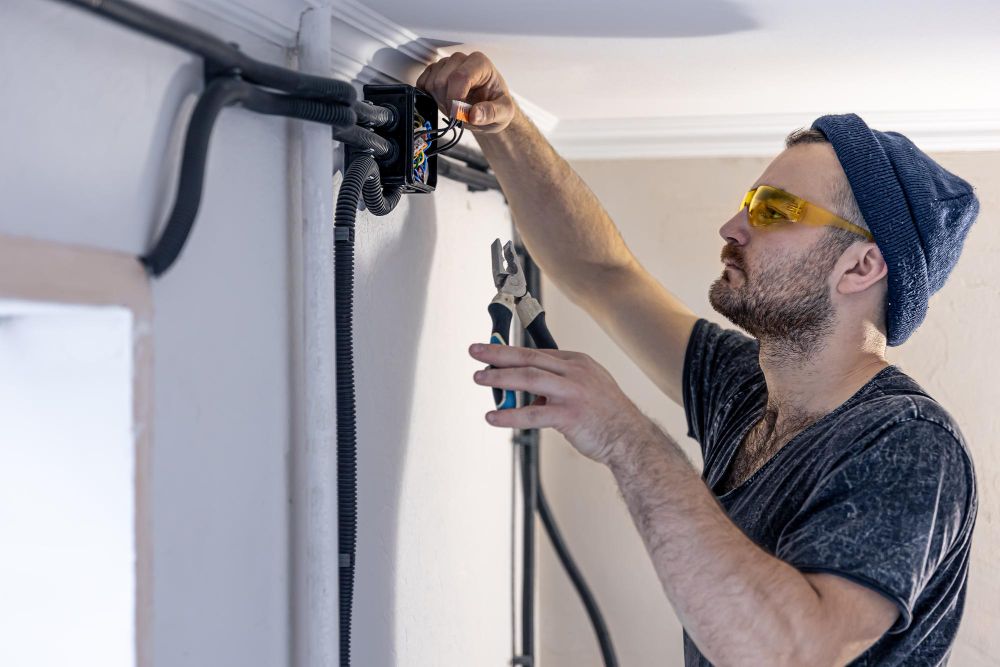
Handymen solve everyday repair and maintenance problems that don’t require a specialist. Their work combines skills from several trades, making them a practical choice for customers with multiple small jobs.
A typical day might include repairing drywall in the morning, replacing a leaking faucet after lunch, assembling furniture in the afternoon, and installing curtain rods before finishing the day.
Because every customer has different needs, no two workdays are exactly alike.
What a Handyman Can Do Legally
Although regulations vary by state, most handymen can legally perform non-structural maintenance and repair work.
Common handyman services include:
- Drywall repairs
- Interior painting
- Furniture assembly
- Hanging shelves and artwork
- Installing blinds and curtain rods
- Minor plumbing repairs
- Replacing faucets
- Installing light fixtures (where permitted)
- Fence repairs
- Door and lock repairs
- Cabinet repairs
- Pressure washing
- Gutter cleaning
- Caulking windows and doors
- Deck maintenance
These smaller projects generally don’t require major permits and can often be completed in a single visit.
What a Handyman Can Do with Restrictions
Some types of work are allowed only under specific conditions.
Depending on your state, restrictions may apply to:
- Minor electrical work
- Plumbing repairs
- Water heater replacement
- Deck construction
- Appliance installation
- Flooring installation
Many states also limit the total value of a handyman project before additional licensing is required. Understanding handyman license requirements before accepting larger jobs can help you stay compliant.
What a Handyman Can’t Do
Handymen are generally restricted from performing work that requires specialized licensing or building permits.
This often includes:
- Structural modifications
- Home additions
- Roof replacements
- Electrical panel upgrades
- Whole-home rewiring
- Major plumbing installations
- HVAC installation
- Gas line work
- Foundation repairs
These projects typically require licensed contractors because they involve building codes, inspections, and additional safety regulations.
Examples of What a Handyman Can Do

One of the biggest advantages of hiring a handyman is the variety of jobs they can complete during a single visit. Instead of calling multiple specialists, customers can often have several repairs finished at once.
Common handyman jobs include:
- Repairing drywall holes and cracks
- Painting walls, trim, and doors
- Replacing faucets and showerheads
- Fixing leaking toilets
- Installing ceiling fans and light fixtures
- Hanging TVs, mirrors, and shelving
- Assembling furniture
- Repairing fences and gates
- Replacing door locks and hardware
- Installing smoke detectors
- Cleaning gutters
- Pressure washing driveways and patios
- Sealing windows and doors
- Repairing deck boards
- Installing blinds and curtain rods
Commercial handymen also perform routine maintenance for offices, retail stores, restaurants, and rental properties. This often includes replacing ceiling tiles, repairing doors, changing light fixtures, patching walls, and carrying out general building maintenance.
Benefits of Doing Handyman Work

Handyman work offers flexible hours, steady demand, and relatively low startup costs compared to many other skilled trades.
Every Day Is Different
Most handymen complete a variety of repair and maintenance tasks throughout the week, helping them build experience across multiple trades while avoiding repetitive work.
Low Startup Costs
Many people already own the basic handyman tools needed to begin offering services. Compared with businesses that require heavy machinery, startup costs are generally much lower.
Steady Customer Demand
Homes, rental properties, and commercial buildings always need repairs and maintenance, creating consistent demand for reliable handyman services throughout the year.
Opportunity to Grow
Many businesses begin with general repair work before expanding into specialized services or becoming licensed contractors. Learning how to price handyman jobs and carrying the right handyman insurance can help support long-term success.
Build Long-Term Customer Relationships
Customers who are happy with your work are more likely to call you again for future repairs and recommend your business to friends and family.
If you’re ready to work for yourself, how to start a handyman business covers everything from licensing and insurance to pricing and finding your first customers.
Build a Successful Handyman Business
Understanding what a handyman can and can’t do is the first step. Running a successful business also means staying organized, presenting yourself professionally, and providing a great customer experience.
Many professionals use handyman software to manage customer details, scheduling, estimates, and completed jobs from one place.
Before starting a project, a handyman estimate template helps you provide clear, professional quotes. Once the work is finished, a handyman invoice template, invoice maker, and free invoice generator make it easy to bill customers and keep accurate payment records.