Painting Contracts: Step-by-Step Guide to Find and Win More Work

Table of Contents
Painting contracts are agreements between a painting contractor and a client that define the scope of work, price, schedule, and terms for a residential or commercial paint job. A solid painting contract protects both sides by spelling out surfaces to be painted, prep work, number of coats, products to use, payment schedule, and how change orders will be handled. If you want steady work, you need to know not just how to write a painting contract template, but also how to find painting contracts, price them correctly, and present professional proposals that win jobs.
In this guide, you’ll learn what painting contracts are, the main types of painting contracts, and a practical process to find, bid, and win more painting contract jobs.

What Are Painting Contracts?
A painting contract is a written agreement that documents exactly what painting work will be done, at what price, on what timeline, and under what terms. It covers everything from the surfaces included and the prep required to the paint products specified, the number of coats, the payment schedule, and the process for handling any changes to the original scope.
For painting contractors, a signed contract does more than protect you legally. It sets clear expectations before the job starts, reduces disputes mid-project, and gives you a professional document to reference if a client pushes back on scope or price. For clients, it provides confidence that the painter they hired will deliver exactly what was agreed.
Working without a written painting contract is one of the most common and costly mistakes in the trade. Verbal agreements get misremembered. Scope creeps. Payments get delayed. A clear, signed contract prevents all of these problems before they start.
For a complete foundation on running a painting business professionally, see our guide on how to start a painting business.
Types of Painting Contracts
There are many different kind of contracts a painting professional can bid to get work.
Residential Painting Contracts
A residential painting contract covers paint jobs for private homeowners: interior rooms, exterior siding, decks, fences, garages, and similar work. These contracts tend to be simpler in structure than commercial ones, but they still need to cover scope, products, prep work, timeline, payment terms, and any warranties you offer on your work.
Residential contracts are often signed at the kitchen table after an in-home estimate. The homeowner wants to feel confident in your professionalism before they hand over access to their home. A clear, well-formatted contract reinforces that confidence and separates you from less organized competitors.
Commercial Painting Contracts
Commercial painting contracts cover offices, retail spaces, multi-unit residential buildings, warehouses, and other business properties. They’re typically more detailed than residential contracts, may involve subcontractor agreements, and often include milestone-based payment schedules, insurance certificate requirements, and specific product specifications from the building owner or property manager.
Commercial painting contracts also frequently involve a bidding process where multiple contractors submit proposals. Winning commercial painting contracts requires competitive pricing, professional documentation, and often a track record of similar completed work. Government painting contracts can be found through platforms like SAM.gov and BidNet Direct and often provide larger, more stable projects for qualified contractors. According to the SBA, registering early and maintaining an up-to-date profile improves your chances of being considered for federal painting opportunities.
How to Find Painting Contracts
Finding painting contract jobs requires a mix of direct marketing, relationship building, and online visibility.
Build your local reputation. Most residential painting contracts come through referrals, Google searches, and online reviews. A fully optimized Google Business Profile, consistent five-star reviews, and a professional painting contractor website put you in front of homeowners when they’re ready to hire.
Network with general contractors and property managers. Commercial painting contracts rarely come through cold search. Get on the preferred vendor lists of local general contractors, property management companies, and real estate developers. Introduce yourself, show your insurance and license credentials, and make it easy for them to add you to their rotation.
Use online bidding platforms. Platforms like PlanHub and BidClerk connect painting subcontractors with general contractors who need bids. For government painting contracts, register on SAM.gov and monitor your state’s procurement portal.
List on residential lead platforms. Angi, Thumbtack, Houzz, and Nextdoor generate residential leads from homeowners actively looking for painters. These platforms work best as a supplement to your own marketing rather than a primary lead source.

How to Bid on Painting Contracts
Accurate bidding is what separates profitable painting contractors from those who stay busy but struggle financially. Here’s a step-by-step process for every job.
Do an On-Site Walkthrough
Never bid a painting contract without seeing the job in person. A walkthrough lets you assess surface conditions, identify prep work required, check for damage or repairs needed before painting, and flag anything that might affect your price. It also gives the client a chance to meet you and builds the trust that influences their decision to hire you.
Take Precise Measurements
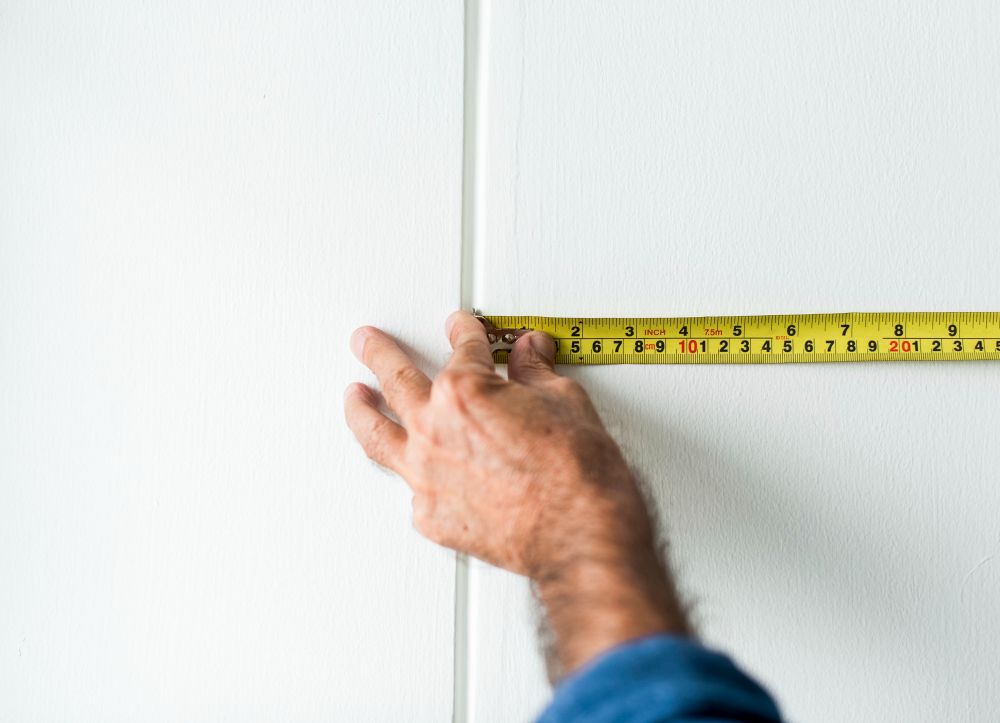
Measure every surface to be painted: walls, ceilings, trim, doors, and exterior areas. Calculate total square footage accurately. Errors at this stage flow directly into your material and labor estimates, so take your time and record everything. A paint cost calculator helps you convert measurements into accurate material quantities before you finalize your bid.
Estimate Materials Accurately
Calculate how much paint, primer, tape, drop cloths, and other supplies the job requires based on your square footage measurements, the number of coats specified, and the surface type. Use current supplier pricing instead of old averages because paint and material costs change. Build in a small overage for waste and touch-ups. Our guide on how much it costs to paint a house covers typical material costs by project type.
Break Down Labor by Task
Estimate hours for each phase of the job separately: prep work, priming, painting coats, trim work, and cleanup. Be realistic about how long each task takes based on your actual experience. Labor is where most bids go wrong, either by underestimating prep time or failing to account for the difference between easy open walls and complex trim-heavy rooms. Our guide on how much painters charge covers typical labor rates by region and project type.
Set Your Overhead and Profit Margin
Your bid needs to cover more than just materials and labor. It needs to cover the cost of running your business and generate profit on top of that.
Define and Calculate Your Overhead
Overhead includes everything it costs to operate your painting business that isn’t tied to a specific job: vehicle costs, insurance, painting tools and equipment, marketing, software, and your own time on administration. Divide your total monthly overhead by your expected billable hours to get an overhead rate per hour, then add this to every bid.
Example: Calculating Overhead and Profit
Let’s say your monthly business overhead is $4,000, including insurance, vehicle expenses, software subscriptions, marketing, and office costs. If you expect to bill 160 hours that month, your overhead rate is:
$4,000 ÷ 160 = $25 per billable hour
Now imagine a painting project requires:
- Materials: $600
- Labor: 20 hours × $40/hour = $800
- Overhead: 20 hours × $25/hour = $500
Your total cost is $1,900.
If you want a 20% profit margin, your selling price would be approximately $2,375.
Running these numbers before every bid helps ensure you’re covering your costs and building profit into every project.
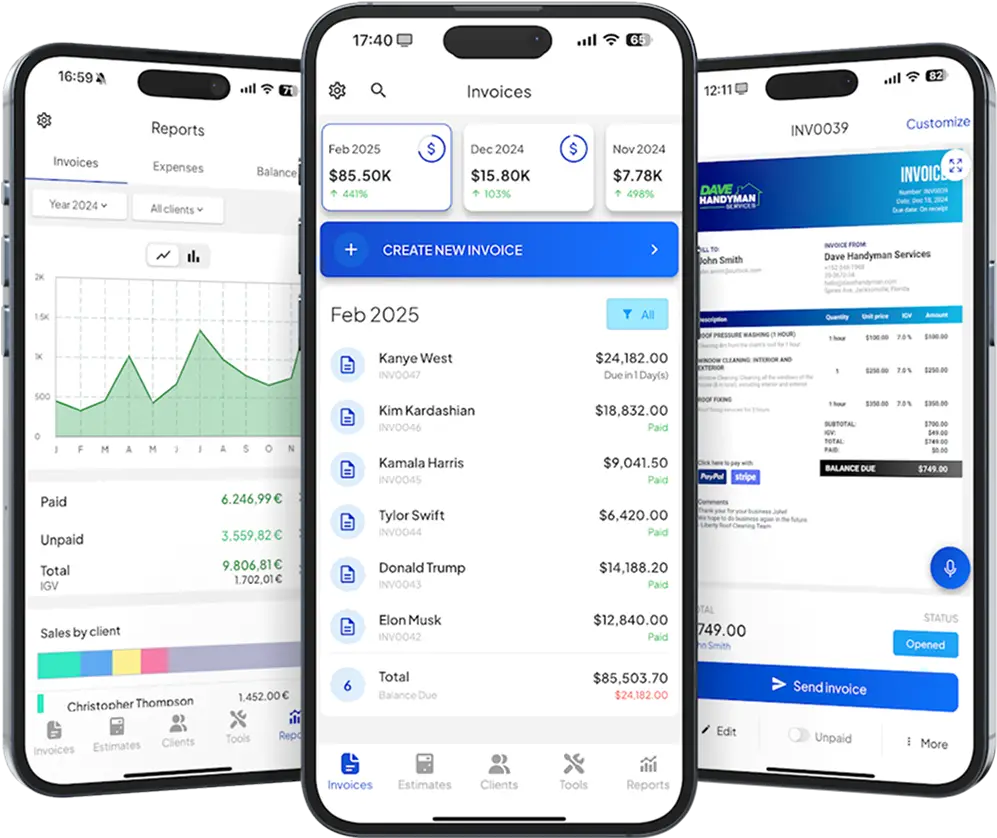
Many contractors use painting contractor software to manage estimates, proposals, schedules, and client communication from one place, which also reduces admin time and overhead cost.
On top of overhead, apply your target profit margin. Many painting businesses aim for a healthy profit margin, often in the 15% to 25% range depending on the type of work and market. Our guide on how much painters make covers how income scales with business size and specialization.
Create a Professional Proposal
Your proposal is often the document that leads to a signed painting contract. It should be clean, easy to read, and cover everything both parties need to know before work begins.
Before submitting any proposal, it helps to understand the difference between an estimate, a quotation, an invoice, a receipt, and what billing covers at each stage of the job. Using the right document at the right time presents a more professional image and keeps the payment process clear from day one. An estimate is typically sent before work begins, while an invoice follows job completion or a milestone payment.
Use this structure for every painting contract proposal:
| Painting Contract Section | What to Include |
|---|---|
| Client Information | Name, address, phone number |
| Scope of Work | Surfaces, prep, coats, products specified |
| Timeline | Start date and estimated completion |
| Payment Terms | Deposit amount, milestone payments, balance due on completion |
| Change Orders | Approval process for any work outside original scope |
| Warranty | Coverage and duration on labor |
| Signatures | Client and contractor |
Send the proposal promptly after your walkthrough while your visit is still fresh. Use a professional painting estimate template to keep your format consistent and present a polished image to every client.
Tips for Winning Contracts for Your Painting Business
- Respond fast. Homeowners and property managers often contact multiple painters at once. The first contractor to respond with a professional proposal often has a better chance of winning the job.
- Show your credentials upfront. Display your painting license and painting business insurance details on every proposal. Clients feel more confident signing with a contractor who is visibly legitimate.
- Offer tiered options. Presenting a good/better/best pricing structure gives clients a choice rather than a yes or no decision. Most clients choose the middle option, which increases your average job value.
- Follow up. If you haven’t heard back within two to three days of submitting a proposal, send a brief follow-up. Many contractors never follow up, so this simple habit wins jobs that would otherwise go elsewhere.
- Build a portfolio. Before-and-after photos of completed painting jobs, particularly commercial work, build the credibility needed to win larger contracts over time.
Common Bidding Mistakes to Avoid
Skipping the walkthrough. Phone or photo estimates lead to surprises on-site that squeeze your margin or create client disputes.
Underpricing to win. A painting contract that doesn’t cover your real costs isn’t a win. Price based on your actual numbers, not on what you think the client wants to hear.
Vague scope descriptions. “Paint living room” is not a scope of work. Specify surfaces, prep, coats, and products. Vague contracts lead to scope creep and payment disputes.
Ignoring change orders. Any work outside the original scope should be priced and approved in writing before you do it. Verbal approvals rarely hold up when it’s time to invoice for extras.

Conclusion
Winning painting contracts consistently requires more than skilled work. It takes a clear bidding process, professional documentation, and a system for finding and following up on opportunities. Build your estimating process on real costs, present proposals that inspire confidence, and treat every contract as the foundation of a long-term client relationship.
Pair your contracts with professional billing tools to keep cash flow moving. A painting invoice template and free invoice generator make it easy to bill accurately after every job, while our invoice maker lets you send from your phone the same day work wraps. For everything else you need to grow your painting operation, see our full guide on how to start a painting business.