Cleaning Job Description: Duties, Responsibilities & Skills
Table of Contents
A cleaning job description explains what a cleaner does day to day, including tasks like sweeping, mopping, dusting, sanitizing bathrooms, and emptying trash to keep spaces safe and presentable. It also outlines responsibilities such as restocking supplies, reporting maintenance issues, and following health and safety guidelines in residential or commercial settings. A clear, well-structured cleaning job description helps employers attract reliable cleaners and gives candidates an accurate view of the role’s duties, skills, and physical requirements.
In this guide, you’ll learn what a cleaner does, which sections to include in your cleaner job description, and tips for writing a strong, scannable posting.
What Does a Cleaner Do?
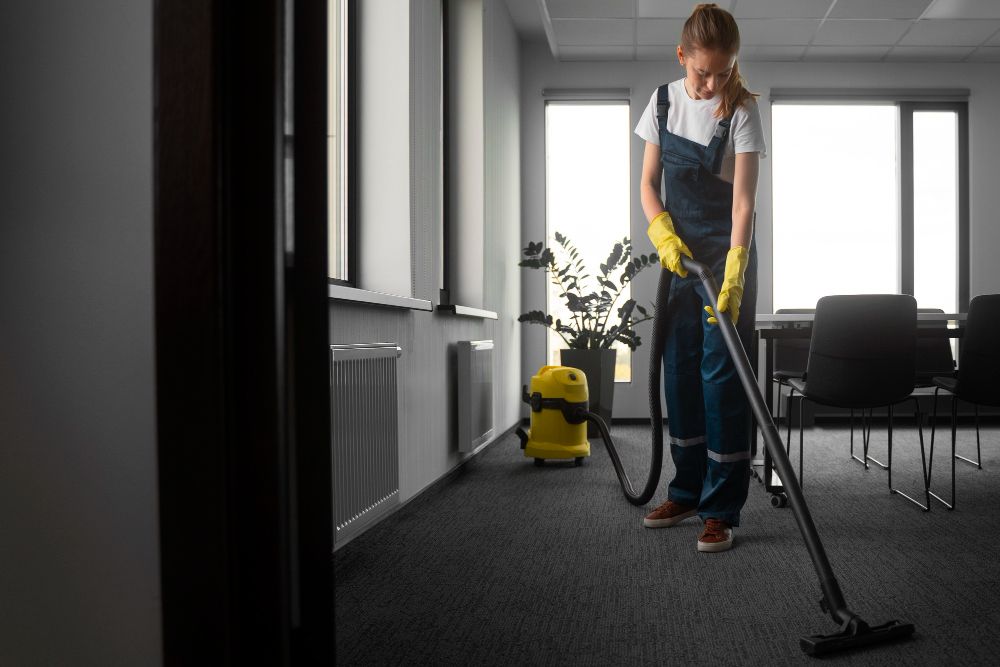
A cleaner maintains the hygiene, safety, and appearance of residential or commercial spaces. The day-to-day work involves more than surface tidying. Cleaners follow structured routines, handle cleaning chemicals safely, manage supplies, and often work independently without direct supervision.
According to the BLS, janitors and building cleaners held about 2.1 million jobs in 2024, showing how common these roles are across homes, offices, schools, and commercial facilities. Whether working in a private home, a corporate office, or a commercial facility, the core expectation is the same: leave every space cleaner, safer, and better than you found it.
Main Cleaning Duties and Responsibilities
A standard cleaner job description typically includes duties across these core areas:
| Area | Typical Responsibilities |
|---|---|
| Floors | Sweep, mop, vacuum, and polish all floor surfaces |
| Surfaces | Dust and wipe furniture, countertops, fixtures, and shelving |
| Bathrooms | Clean and disinfect sinks, toilets, mirrors, and partitions |
| Kitchens | Sanitize appliances, counters, and sinks in kitchens and break rooms |
| Waste | Empty trash receptacles and replace liners throughout the facility |
| Supplies | Restock toilet paper, hand soap, and paper towels as needed |
| Safety | Follow all OSHA guidelines for handling and diluting cleaning chemicals |
| Maintenance | Report broken fixtures or safety hazards to a supervisor |
Types of Cleaning Jobs
Cleaning roles vary significantly depending on the setting. Here is a quick overview of the most common types:
| Role | Primary Environment | Typical Focus |
|---|---|---|
| House Cleaner | Residential homes | Kitchens, bathrooms, vacuuming, dusting |
| Office Cleaner | Commercial offices | Workstations, restrooms, common areas |
| Commercial Cleaner | Retail, schools, warehouses | Larger facilities, industrial equipment |
| Cleaning Technician | Specialized environments | Carpet extraction, floor stripping, biohazard |
| Cleaning Supervisor | Any environment | Team management, scheduling, quality control |
Our guide on cleaning services covers the full range of residential and commercial offerings in more detail. For a complete overview of building a cleaning operation from the ground up, see our guide on how to start a cleaning business.
Key Sections of a Cleaner Job Description
A well-organized cleaning job description makes it easy for candidates to quickly assess whether the role is a fit. Every posting should include these five core sections.
Job Summary
The job summary is a two to three sentence overview of the role. It should state the type of cleaning environment (residential, office, or commercial), the employment type (full-time, part-time, or casual), and the key purpose of the position. Keep it direct and welcoming.
Example: “We are looking for a reliable and detail-oriented house cleaner to join our residential cleaning team. You will be responsible for maintaining high standards of cleanliness across client homes, working independently on scheduled visits, and delivering a consistent, professional service.”
Duties and Responsibilities
This is the most important section of your cleaner job description. Use bullet points and be specific. Vague responsibilities like “clean the premises” don’t give candidates a realistic picture of the role. List the actual tasks in plain language, grouped by area where helpful. Separate daily tasks from weekly or periodic ones if the schedule varies.
Requirements and Qualifications
State clearly what candidates need before applying. For most entry-level cleaning roles, requirements are straightforward: no formal degree is necessary, but relevant experience, a valid driver’s license, and the ability to meet physical demands are standard. Roles involving specialized equipment or chemicals may require certifications or training. For positions in clients’ homes, noting a background check requirement upfront saves time on both sides. Make sure your business also has proper cleaning business insurance in place before bringing on employees.
Skills and Personal Qualities
Beyond qualifications, strong cleaning candidates bring a mix of practical and interpersonal skills. For a house cleaner role, trustworthiness, attention to detail, and time management matter most. For a commercial cleaner, the ability to follow standardized procedures and work within a team is more relevant. For supervisory roles, add scheduling, client communication, and team leadership to the list.
Salary and Schedule Details
Be transparent about pay and hours. The BLS reports a median annual wage of around $33,000 for building cleaning workers, though rates vary significantly by region, role type, and experience level. Including a pay range in your posting reduces wasted time on both sides. Specify shift times, days of the week, and whether the role involves weekend or holiday work. For more on setting competitive rates, see our guide on how much to charge for house cleaning.
How to Write a Cleaning Job Description
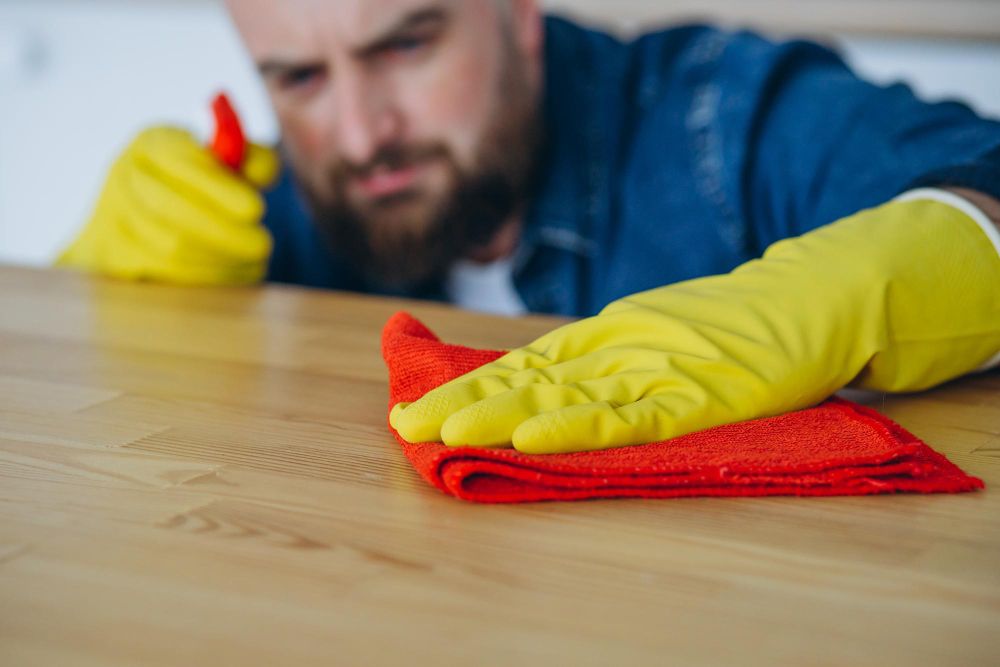
A strong cleaning job description takes less than an hour to write and significantly improves the quality of applicants you attract. Here’s how to approach each component.
Choosing the Right Job Title
Your job title is the first thing candidates see and the term they search for. Use standard, recognizable titles that match what people actually type: “House Cleaner,” “Office Cleaner,” “Commercial Cleaning Technician,” or “Cleaning Supervisor.” Avoid internal jargon or vague titles like “Sanitation Specialist” unless that’s genuinely how candidates in your market search.
Describing the Workplace and Location
Be clear about where the work takes place. For residential roles, mention whether cleaners travel to multiple client homes per day and whether transportation is required. For office or commercial roles, name the facility type and any environment-specific details. Candidates use this to decide whether the commute and setting work for them.
Explaining Hours and Contract Type
Cleaning roles vary widely in schedule. Some are full-time salaried positions; others are part-time or casual shifts. Some house cleaning positions are independent cleaning contractor arrangements. Be explicit about the employment type to avoid confusion and attract the right candidates. If you’re scaling up, a solid cleaning business CRM can help you manage scheduling and staff communication as your team grows.
Presenting Your Company and Benefits
A short paragraph about your cleaning business, your values, and what it’s like to work for you builds appeal. Mention benefits like paid time off, uniform provision, mileage reimbursement, or flexible scheduling. Highlighting growth opportunities is a strong draw, particularly if you’re investing in marketing for your cleaning business and actively expanding your client base.
Adding a Clear Call to Action
Tell candidates exactly how to apply: submit a resume by email, fill out an online form, or call your office. Include a deadline if you’re actively hiring. A specific, easy next step increases application rates and filters for candidates who follow instructions, which matters in any service role.
Example Cleaning Job Description Templates
Here are two ready-to-adapt templates for common cleaning roles.
House Cleaner Job Description
| Section | Details |
|---|---|
| Job Summary | We are looking for a dependable house cleaner to provide recurring residential cleaning services. You will work independently, follow detailed checklists, and deliver a consistent, high-quality result on every visit. |
| Key Responsibilities | Vacuum and mop all floors; dust furniture and surfaces; clean and disinfect bathrooms and kitchens; wipe appliances; empty trash; restock supplies; secure client property after cleaning. |
| Requirements | Prior house cleaning experience preferred; valid driver’s license; ability to lift up to 25 lbs; background check required; strong attention to detail. |
| Pay and Schedule | $18 to $22 per hour depending on experience; Monday to Friday, 8am to 5pm; part-time and full-time available. |
Office Cleaner Job Description
| Section | Details |
|---|---|
| Job Summary | We are hiring a reliable office cleaner to maintain clean, safe, professional environments across our commercial client sites. Evening shift role requiring independent work and attention to detail. |
| Key Responsibilities | Vacuum and mop floors; dust desks and surfaces; clean and disinfect restrooms; empty and replace trash liners; replenish paper and soap; wipe kitchen and break room areas; report maintenance issues. |
| Requirements | Prior commercial cleaning experience preferred; knowledge of chemical handling and PPE; ability to stand for full shift duration; reliable and punctual; background check required. |
| Pay and Schedule | $16 to $19 per hour; Monday to Friday evenings, 5pm to 9pm; casual shifts with potential to move to permanent. |
Cleaning Supervisor Job Description
A cleaning supervisor job description differs from a standard cleaner posting in scope and accountability. The supervisor role involves overseeing a team, managing cleaning contracts and client relationships, training new hires, conducting quality checks, and handling scheduling. Pay rates are typically higher to reflect the added responsibility. If you’re hiring a supervisor, specify the number of staff they’ll manage, the types of accounts they’ll oversee, and whether the role includes any hands-on cleaning or is purely management-focused.

Conclusion
A well-written cleaning job description does more than fill a vacancy. It sets expectations clearly, attracts the right candidates, and reduces turnover by giving people an accurate picture of the role before they apply. Whether you’re hiring a house cleaner, an office cleaner, or a cleaning supervisor, the same principles apply: be specific about duties, honest about requirements, and transparent about pay and schedule.
Once you’ve hired the right people, give your business the tools to run professionally. A free cleaning invoice template, free cleaning estimate template, and free cleaning receipt template keep your billing consistent from first quote to final payment. Our invoice maker and free invoice generator make it easy to send professional documents that match the quality of your service.
For guidance on the full billing process, see our resources on what is an invoice, what is an estimate, what is a receipt, what is billing, and what is a quotation. For a complete guide to building your cleaning operation, see how to start a cleaning business.